
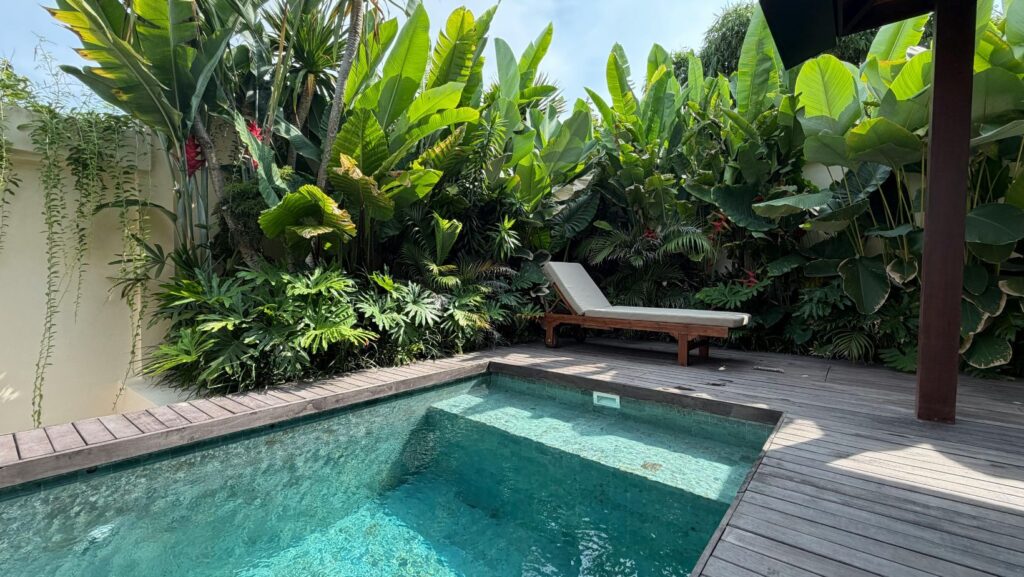
A pool deck is one of the most used outdoor spaces in an Austin home for a significant portion of the year. It is where towels get dropped, where kids run regardless of instructions not to, where the evening winds down with a drink and a view. The decisions made in designing and building that surface have daily quality-of-life implications for years, which means it deserves more careful consideration than many homeowners give it.
The most common mistake in pool deck planning is focusing almost entirely on appearance without giving equal weight to how the surface will actually perform under the specific conditions it will face. In Central Texas, those conditions are demanding.
Engaging custom concrete pool deck design and construction specialists who understand both the aesthetic and the functional requirements of outdoor pool decking in this climate produces results that hold up as well as they look.
The Texas Pool Deck Environment
Austin’s pool decks face a particular combination of stresses that not every material or finish handles equally well. Intense UV radiation through most of the year causes color fading and degrades sealers that are not specifically formulated for high-UV environments. Chlorinated water and pool chemicals contact the deck surface continuously during use, and over time these chemicals can bleach or degrade surfaces that are not properly sealed and maintained.
Heat retention is a real consideration. A pool deck material or color that absorbs and holds heat becomes uncomfortable or even painful to walk on barefoot on a Texas summer afternoon. Lighter colors and textured surfaces that reduce contact area both help manage surface temperature. Water permeability in the texture also matters: standing water on a pool deck surface creates both a slip hazard and the conditions for biological growth.
Concrete Pool Deck Options
Poured concrete with a broom finish is the most basic pool deck option. It is durable and cost-effective, but it offers limited design flexibility and can become quite hot underfoot in the Texas summer. Without sealing and periodic maintenance, it also stains and absorbs chemicals over time.
Stamped concrete offers significantly more design versatility, allowing concrete to mimic the appearance of stone, tile, or other materials with a range of texture options. The textured surface is practical for a pool deck because it provides better grip than a smooth finish when wet. Stamped concrete requires sealing to maintain its appearance and protect the color from UV fading.
Concrete overlay systems applied to an existing deck or new slab can create the appearance of high-end stone or travertine at a cost significantly below that of natural stone installation. These systems, when properly executed with the right outdoor-rated materials, provide excellent durability and can be refinished if the surface shows wear after years of use.
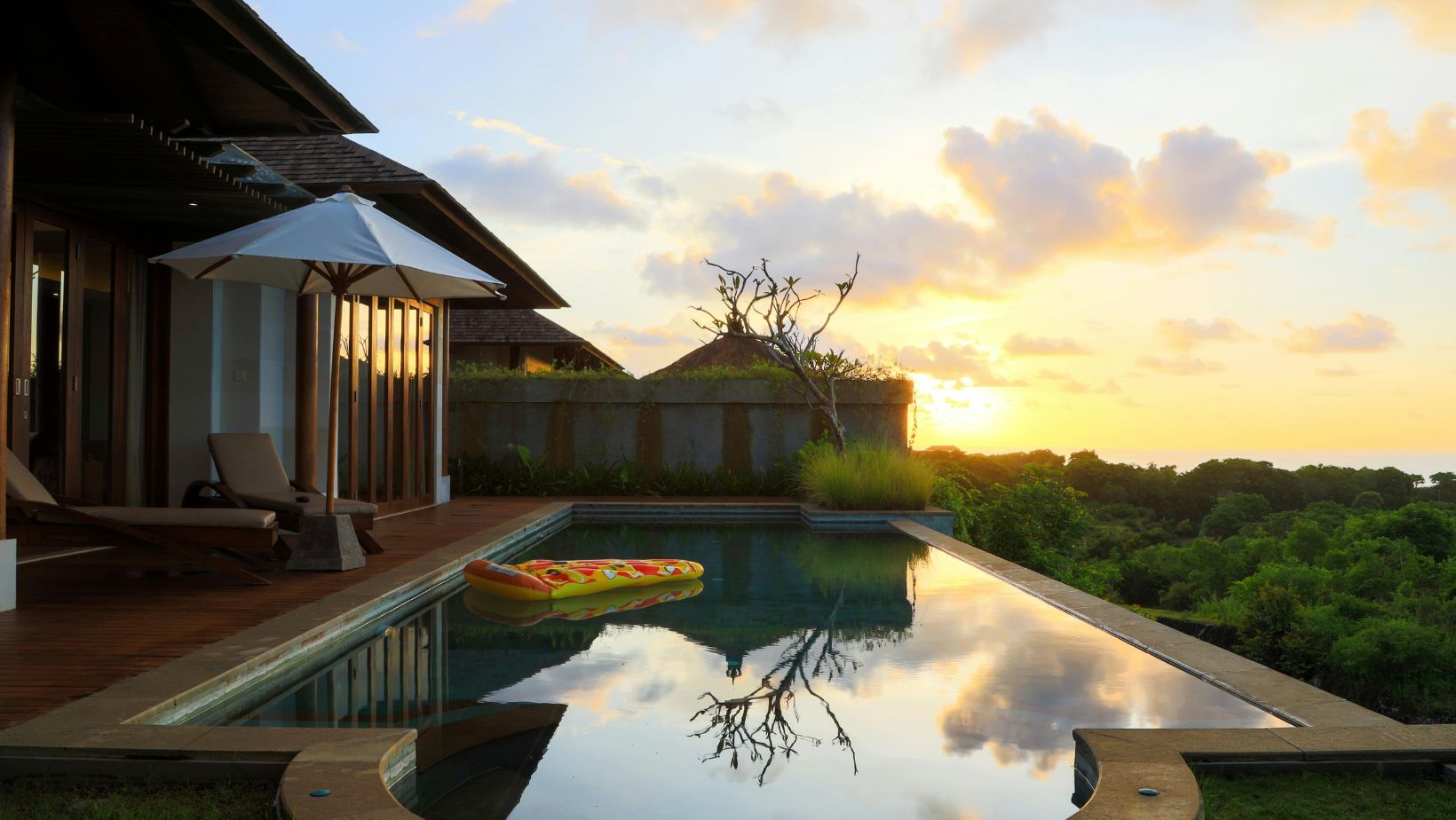
Natural travertine pavers remain a popular choice in the Austin area because of their natural appearance, their relative coolness underfoot compared to solid concrete surfaces, and their permeable surface that allows water to drain rather than pool. The trade-off is higher material cost and the need for joint maintenance over time.
Safety: The Non-Negotiable Design Factor
A pool deck that is beautiful but slippery when wet is a hazard. This is not a minor consideration. Slip resistance is one of the most important safety factors in pool deck design, and it should influence every material and finish selection.
Textured surfaces provide significantly better grip than smooth ones. The degree of texture matters: surfaces designed specifically for wet environments will have measurably better slip resistance than general-use concrete finishes. Pool deck finishes with a light broom texture, exposed aggregate, or the micro-texture of a quality overlay system all provide better footing than a troweled smooth finish.
Color selection also has safety implications. A pool deck that is too similar in color to the pool water makes it harder to see the pool edge clearly, which matters for anyone walking near the perimeter.
Drainage Planning
Water needs to go somewhere, and where it goes is a design decision that should be made intentionally rather than left to chance. A pool deck should slope gently away from the pool edge, directing water toward designated drainage points rather than allowing it to pool on the surface or drain toward the house foundation.
Poor drainage planning is one of the more common sources of pool deck deterioration because standing water creates conditions for biological growth, accelerates the degradation of sealers, and in freeze events expands in surface pores and joints in ways that cause spalling and cracking.
A professional pool deck installation includes a drainage plan as a fundamental design element, not an afterthought.
What Maintenance Looks Like Over Time
A well-built concrete pool deck in Austin requires relatively straightforward ongoing maintenance. Periodic cleaning to remove algae and chemical residue keeps the surface both sanitary and attractive. Sealer reapplication every two to three years maintains the protective layer that keeps the surface looking vibrant and resistant to staining. Any chips or surface damage should be addressed promptly before they expand.
The payoff for this modest ongoing investment is a pool deck that continues to look and perform well for many years, which is a meaningfully better outcome than one that deteriorates quickly and requires expensive refinishing or replacement well ahead of its time.