
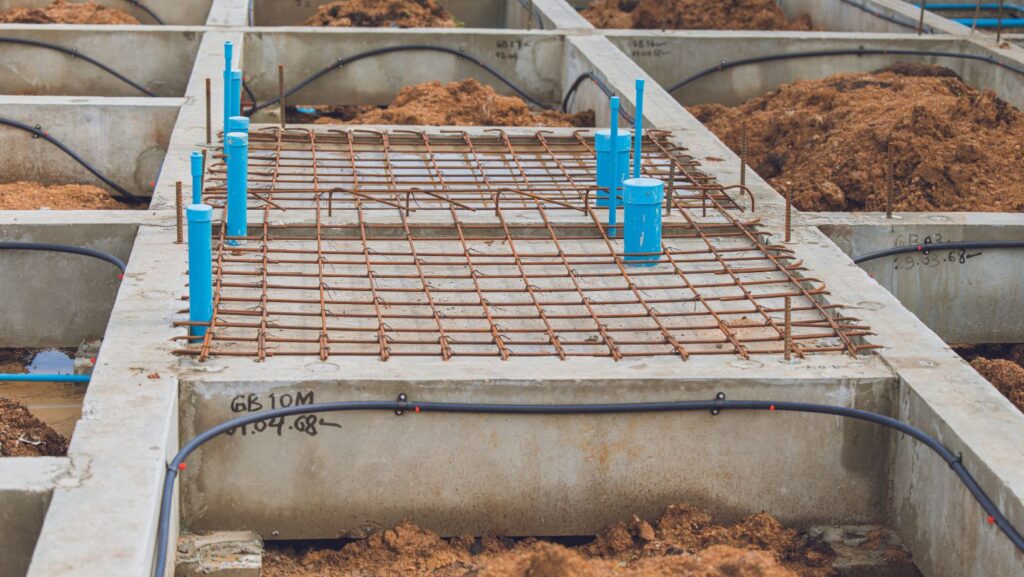
Foundations do more than transfer loads into the ground. They protect timelines, budgets, and the long term performance of a structure. In the Building Foundations category, few systems have transformed project delivery as effectively as helical piles.
Also known as screw piles, these engineered steel shafts with helices welded to the base are advancing how contractors approach residential, commercial, and infrastructure work. From tight urban infill sites to remote builds with limited access, they offer a precise and adaptable solution that aligns with today’s construction realities.
Early in the planning stage, many developers and builders begin researching options for soil conditions that are less than ideal. It is common to review resources related to screw pile installation services as part of that due diligence. Not from a promotional standpoint, but because understanding installation methods, torque monitoring, and load capacity verification can directly influence engineering decisions and risk management strategies.
This article explores how helical piles work, where they excel, and why they continue to gain traction in modern foundation practice.
What Are Helical Piles and How Do They Work?
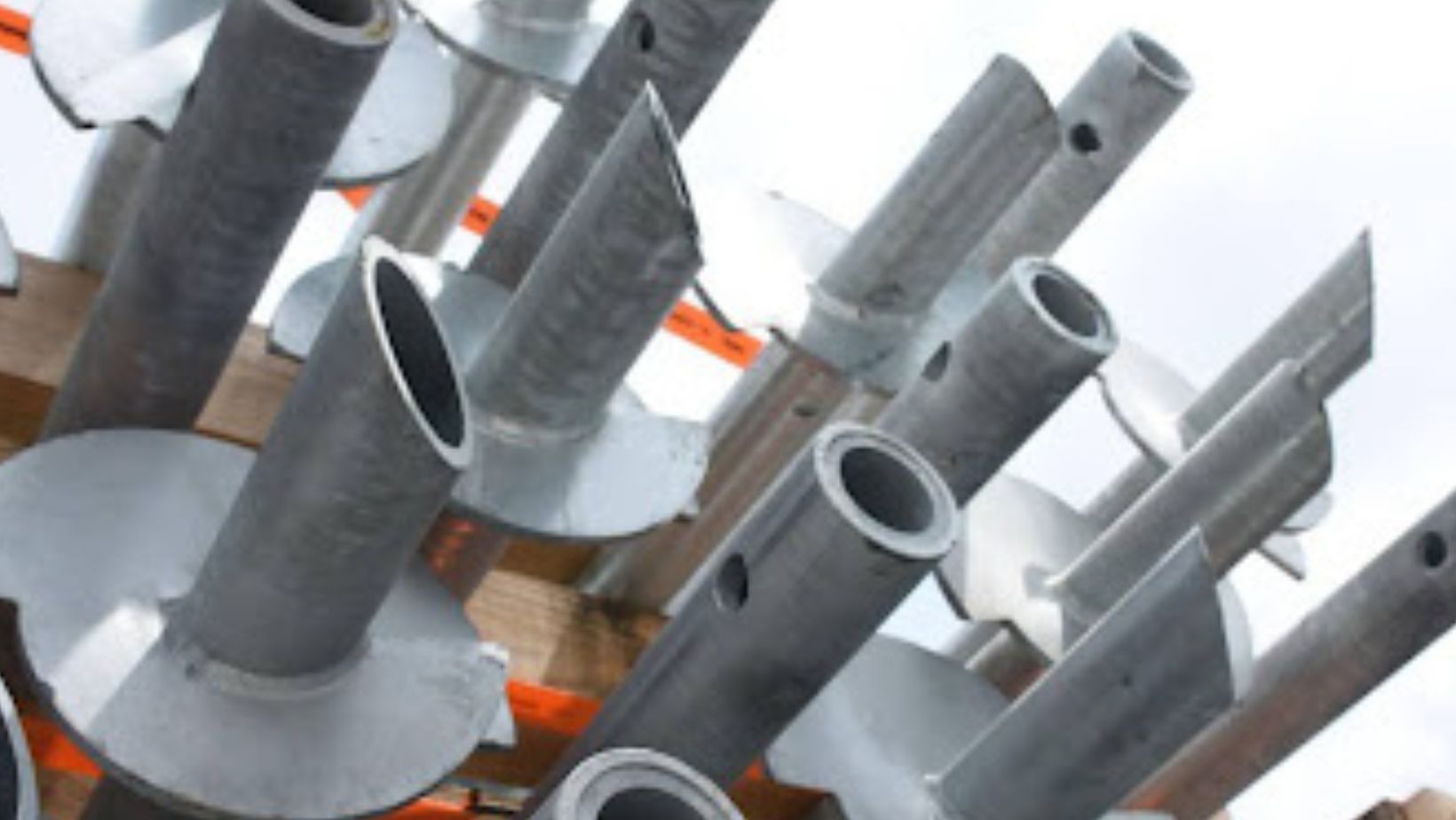
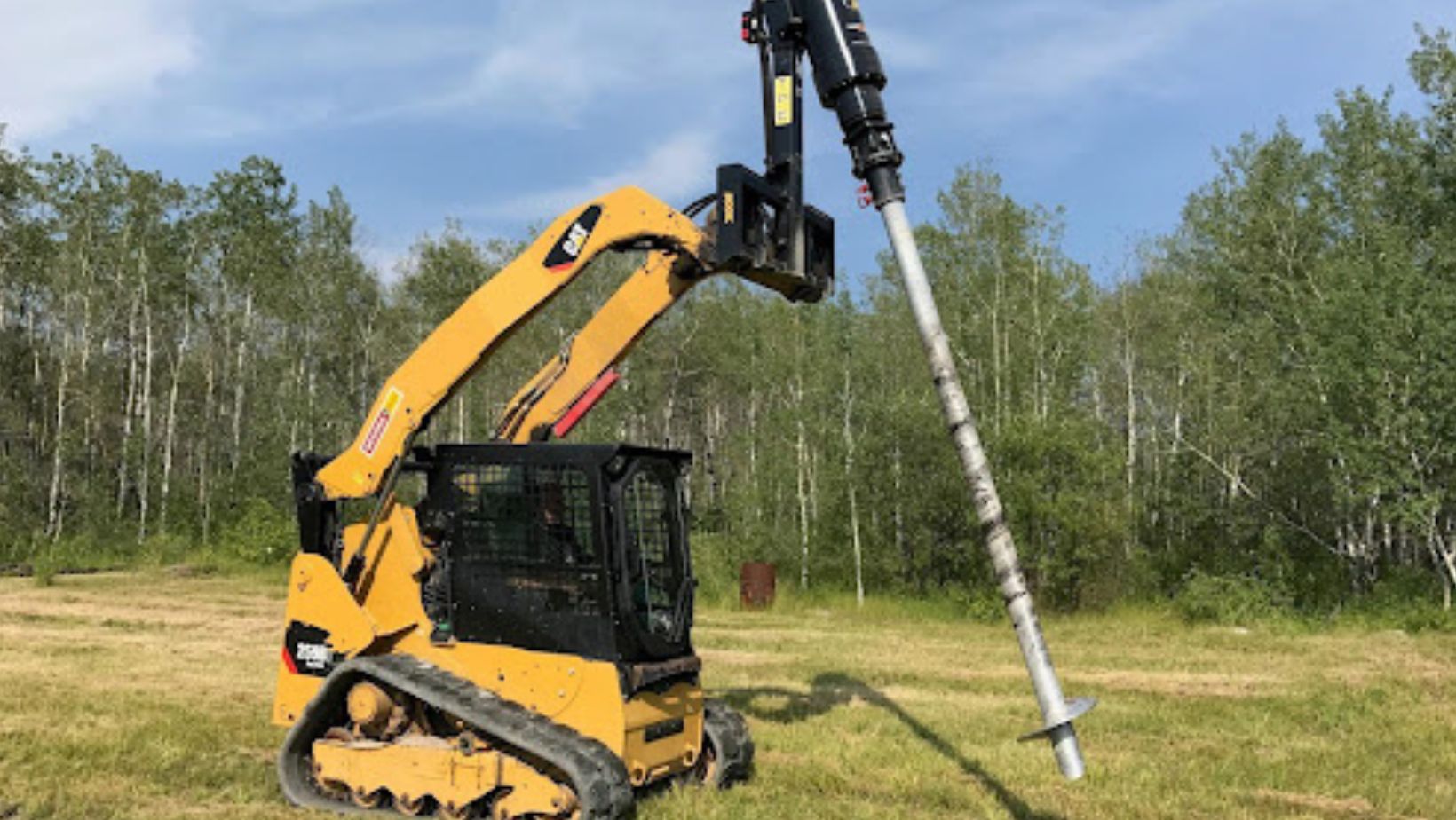
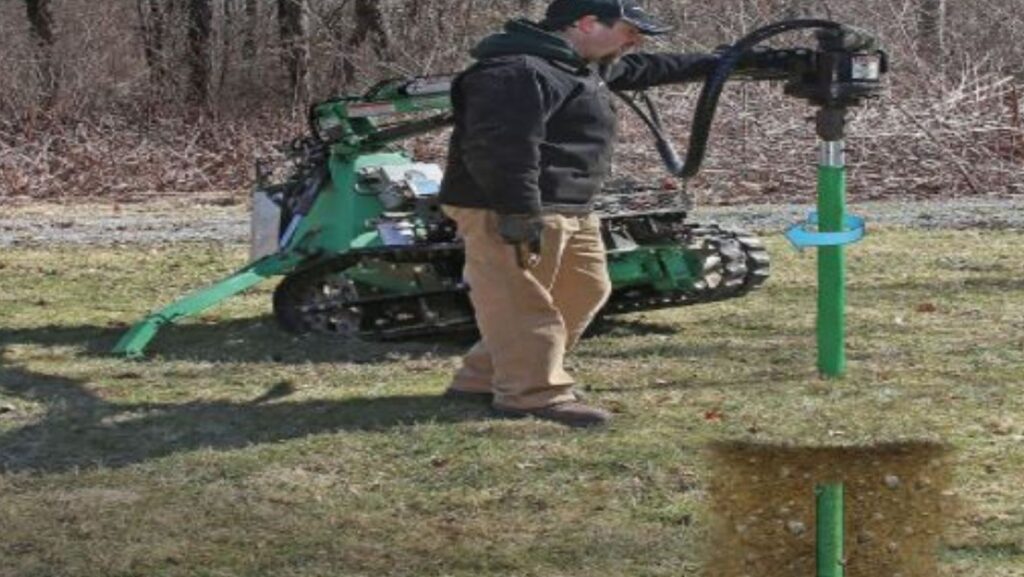
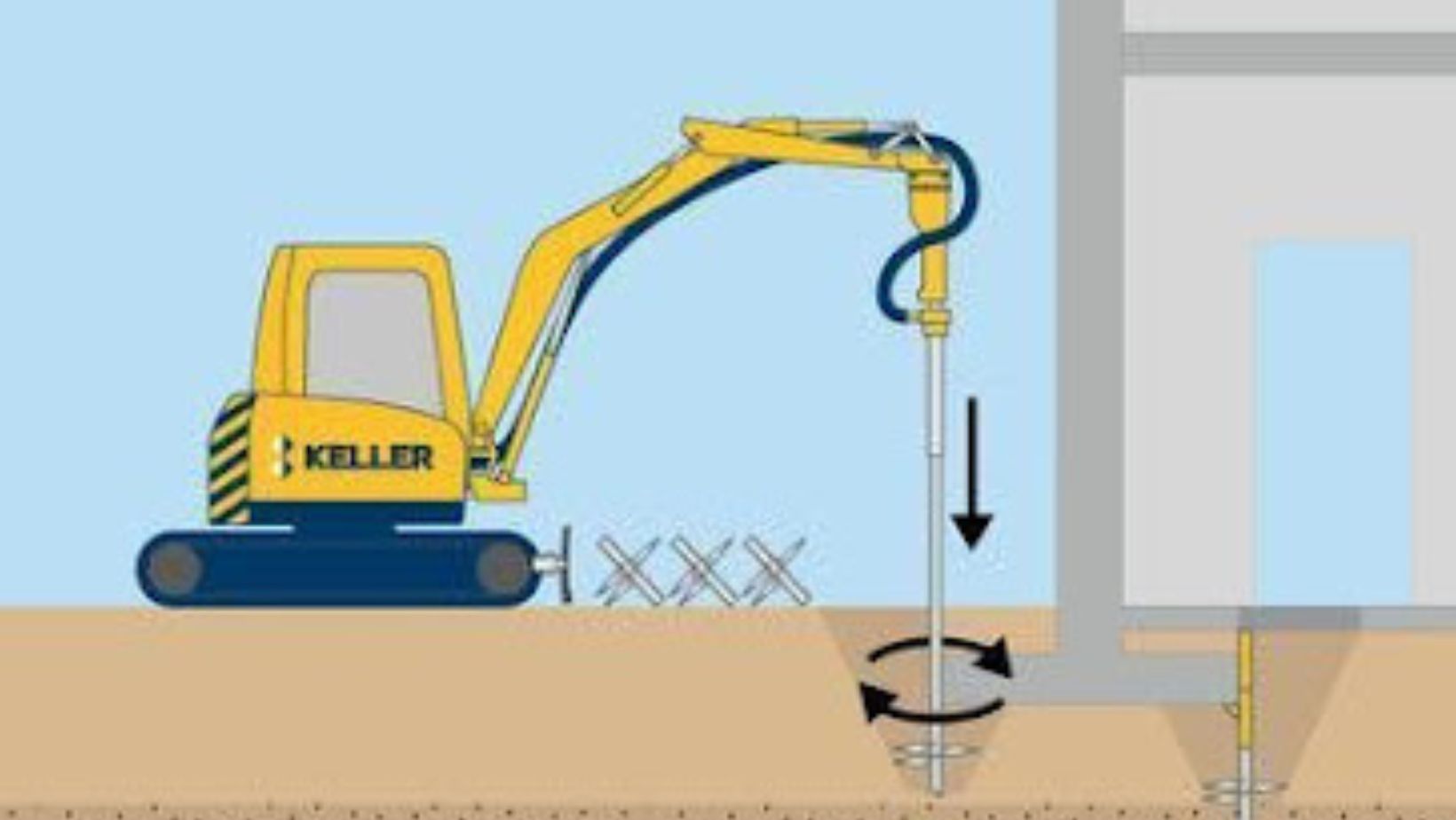
Helical piles are deep foundation elements made from high strength steel shafts fitted with one or more helical plates. These plates act like threads on a screw. During installation, hydraulic equipment rotates the shaft into the soil until the required depth or torque is achieved.
The key advantage lies in the installation method. Instead of driving or excavating, the pile is screwed into the ground. This process:
- Displaces minimal soil
- Generates low vibration
- Produces little noise
- Allows for immediate load application
Load capacity is determined by installation torque, which is correlated to soil resistance. That means performance can be verified in real time, rather than inferred after the fact. For builders and engineers focused on quality control, this measurable feedback is critical.
Why Soil Conditions Matter More Than Ever
Across North America, shifting soil conditions continue to challenge conventional foundations. Expansive clays, loose fills, high water tables, and frost susceptible soils can compromise shallow footings.
The Canadian construction sector is actively addressing these realities. According to recent data from Statistics Canada, investment in building construction remains strong despite economic variability. As urban infill intensifies and sites become more constrained, foundation systems must adapt to unpredictable subsurface conditions.
Helical piles provide a solution that bypasses problematic upper layers and transfers loads to deeper, more stable strata. This makes them particularly valuable in:
- Areas with uncontrolled fill
- Sites with soft or organic soils
- Locations with limited excavation space
- Projects requiring minimal environmental disturbance
Instead of over excavating or redesigning slab thickness, engineers can specify a deep foundation that meets load demands without extensive site modification.
Installation Efficiency and Project Timelines
Time is more than a scheduling concern. It directly impacts financing costs, labour allocation, and coordination with other trades.
Helical piles offer several efficiencies:
- No curing time
Unlike poured concrete, helical piles are ready to bear load immediately after installation. - All weather adaptability
Installation can proceed in cold temperatures where concrete placement becomes complex or costly. - Reduced excavation
Minimal soil removal translates to fewer trucking requirements and lower site disruption. - Compact equipment access
Smaller hydraulic rigs can operate in tight backyards, under existing structures, or within partially enclosed buildings.
For additions, underpinning, or remedial foundation work, these advantages can prevent extended downtime. Structures that must remain operational, such as retail spaces or light industrial facilities, benefit from reduced vibration and noise.
Precision and Measurable Load Capacity
A foundation system must be predictable. One of the defining strengths of helical piles is that installation torque provides quantifiable confirmation of performance.
Engineers use torque correlation factors to estimate axial capacity. Once the specified torque is reached, confidence in load bearing strength is immediate. This aligns with the broader push for data driven construction practices.
Recent research summarized by the National Research Council Canada continues to highlight the importance of evidence based design and material performance verification in foundation engineering. Systems that offer measurable results during installation contribute to reduced uncertainty and improved documentation.
For developers managing liability and long term asset performance, that level of validation is not a minor detail. It is foundational to risk control.
Residential Applications Beyond New Builds
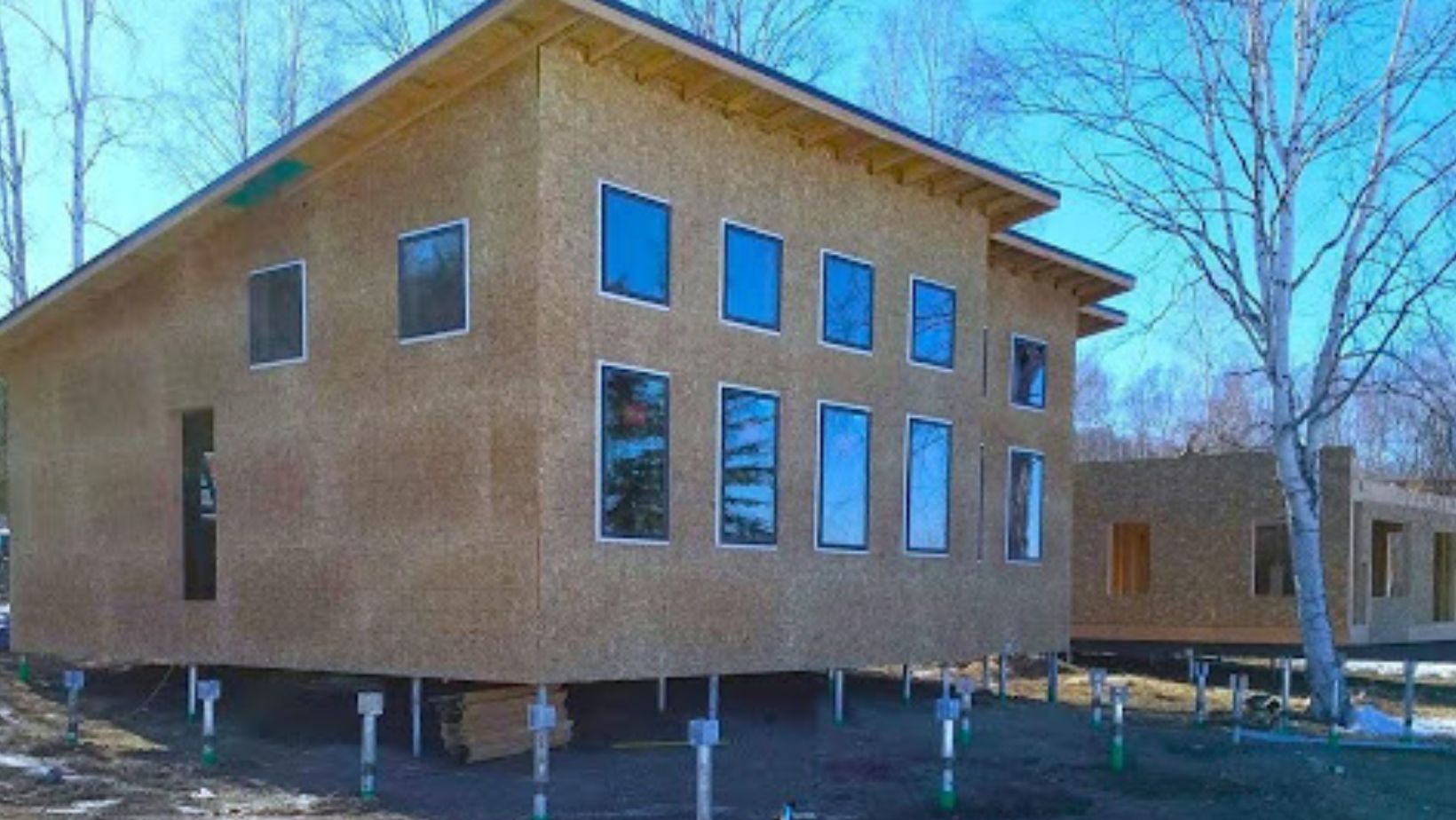
In residential construction, helical piles are often associated with new custom homes. However, their versatility extends well beyond that.
Common residential uses include:
- Deck and porch foundations
- Garage slabs
- Cottage and cabin supports
- Basement underpinning
- Additions on existing homes
For homeowners undertaking renovations, the reduced excavation footprint is especially appealing. Landscaped yards, mature trees, and existing driveways do not need to be heavily disturbed.
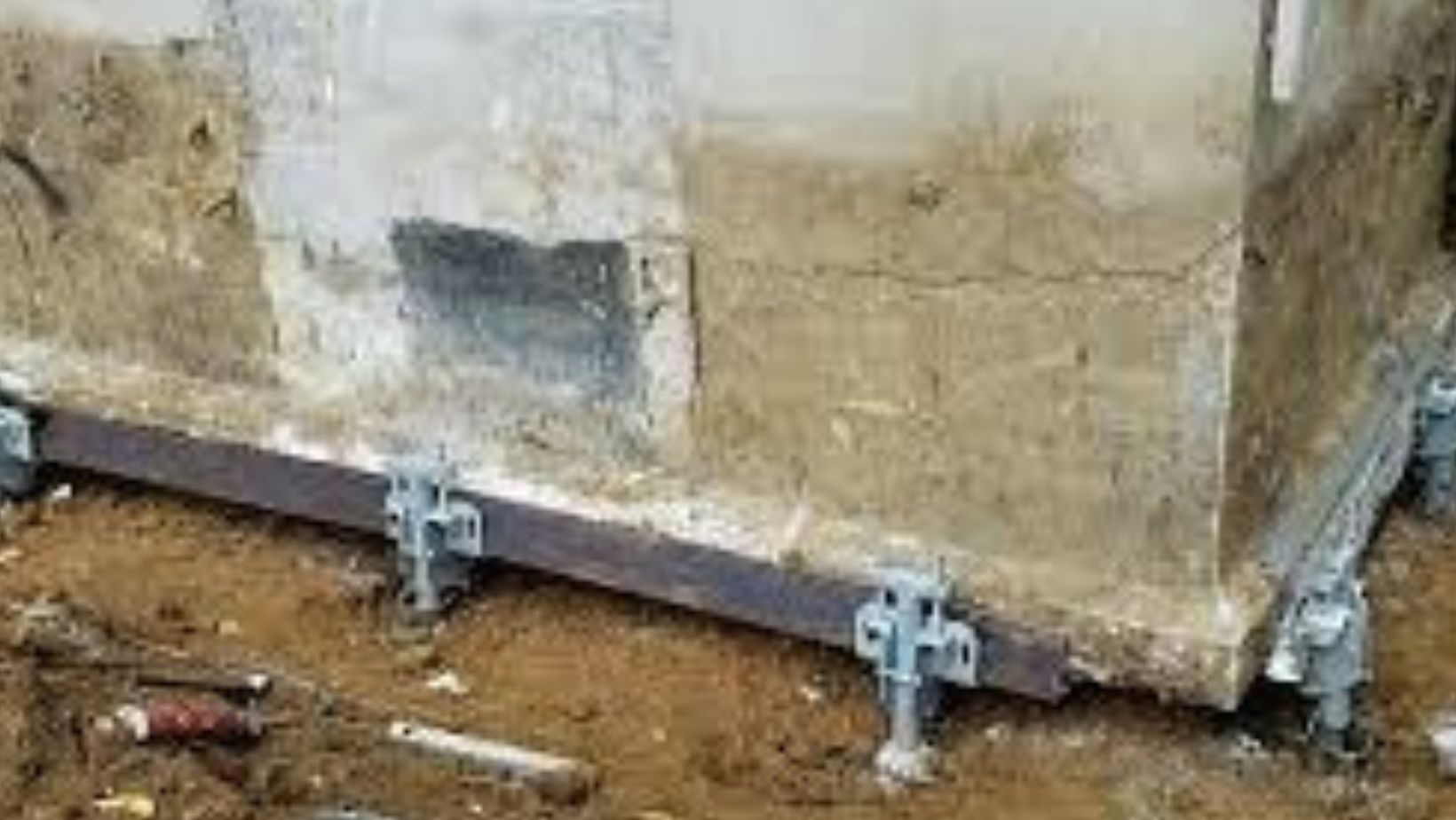
Underpinning projects also benefit. When a foundation settles due to poor soil, helical piles can be installed alongside existing footings and bracketed to lift and stabilize the structure. Because installation is controlled and vibration is minimal, the process can be conducted with occupants still inside the home in many cases.
Commercial and Light Industrial Performance
Helical piles are no longer limited to small scale applications. Commercial developers increasingly specify them for:
- Warehouses
- Office buildings
- Temporary structures
- Solar panel arrays
- Communication towers
Their high tensile and compressive capacity supports both axial and lateral loads. For projects requiring rapid deployment, such as modular buildings or phased developments, helical piles provide flexibility. If layouts change, piles can sometimes be removed and repositioned.
In environmentally sensitive locations, the minimal soil disruption reduces site impact. Compared to cast in place concrete footings, which require excavation and curing, screw in systems can leave a lighter footprint.
Frost Considerations and Long Term Stability
In cold climates, frost heave presents a significant challenge. When moisture in soil freezes, it expands and exerts upward pressure on foundations.
Helical piles mitigate this risk in two ways:
- They extend below the frost line, anchoring into stable soil
- Their smooth shafts reduce the surface area subject to upward friction forces
Proper design ensures that the helices sit below active frost zones. This reduces seasonal movement and helps maintain alignment in decks, additions, and light commercial structures.
The long term durability of galvanized or coated steel further enhances performance when soil conditions are properly evaluated. As with any foundation system, site specific engineering remains essential.
Design Integration and Collaboration
The effectiveness of helical piles depends on early integration between geotechnical engineers, structural designers, and installers.
A typical workflow includes:
- Geotechnical investigation
- Load calculations
- Pile size and helix configuration selection
- On site torque monitoring and documentation
When these steps are coordinated, the result is a foundation that aligns with both structural demands and soil realities.
For project managers accustomed to traditional spread footings, shifting to a deep foundation approach requires understanding the data driven nature of the system. Reviewing installation methodologies and case studies can support informed specification decisions.
Are Helical Piles Always the Right Choice?
No foundation solution is universal. Rock layers at shallow depth, extremely dense soils, or heavy high rise loads may necessitate alternate systems.
However, for low to mid rise structures, residential work, and conditions with challenging upper soils, helical piles continue to demonstrate strong performance and adaptability.
Their success stems from three core attributes:
- Predictable load verification
- Reduced site disruption
- Installation efficiency
When these factors align with project goals, they offer a compelling alternative to traditional concrete footings or driven piles.
Building Forward with Confidence
In a construction environment defined by tighter sites, evolving soil data, and cost sensitivity, foundation systems must deliver more than basic support.
Helical piles meet that demand through measurable capacity, streamlined installation, and flexibility across project types. Whether stabilizing an existing structure or forming the base for new construction, they represent a modern interpretation of what deep foundations can achieve.
For builders, developers, and property owners focused on long term performance, understanding how and when to deploy this technology is part of building smarter from the ground up.