
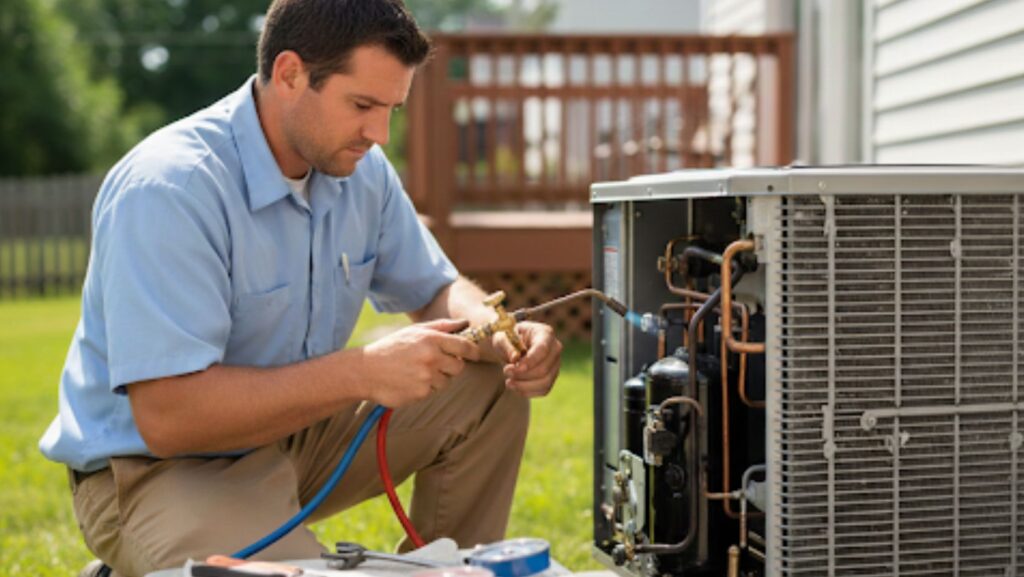
Summer in Maryland can bring long, humid days that put a significant strain on your air conditioning system. Preparing your air conditioner before the peak heat not only ensures comfort but also improves efficiency, extends the lifespan of your system, and prevents costly emergency repairs. Whether you are a homeowner or managing a commercial property, understanding the steps to properly maintain your AC system is critical.
Below is a comprehensive guide to help Maryland residents get their air conditioning solutions ready before the summer heat hits.
Why Pre-Summer AC Maintenance Matters in Maryland
Maryland summers combine high humidity and warm temperatures, which can stress your AC system if it is not properly prepared. Common issues include:
- Reduced airflow
- Compressor overload
- Refrigerant leaks
- Frozen evaporator coils
Neglecting maintenance can lead to higher energy bills, reduced cooling performance, and premature system failure. Scheduling a pre-summer AC maintenance service ensures your system is ready to handle the summer load.
Early Spring: Start With the Basics
Preparing your AC system early in the season reduces the likelihood of unexpected breakdowns once temperatures rise.
1. Replace or Clean Air Filters
Dirty filters restrict airflow and force the compressor to work harder, decreasing efficiency and increasing energy costs.
Checklist:
- Replace disposable filters every 1–3 months
- Clean reusable filters as per manufacturer instructions
- Use the correct filter size for optimal airflow
2. Inspect and Calibrate the Thermostat
A malfunctioning thermostat can cause uneven cooling or unnecessary energy usage.
Steps:
- Replace batteries if applicable
- Test cooling mode
- Consider upgrading to a programmable thermostat
- Ensure temperature readings match a room thermometer
3. Clean and Inspect the Outdoor Condenser Unit
Your condenser unit works hard during summer and can accumulate dirt, leaves, and debris.
Tips:
- Remove debris around the unit
- Clean the coils gently with a garden hose
- Check for bent fins and straighten with a fin comb
- Ensure at least 2 feet of clearance around the unit
Proper maintenance improves energy efficiency and prevents system strain.
Late Spring: Deeper System Inspection
As temperatures rise, focus on internal components to ensure full system efficiency.
4. Check Evaporator Coils
Dirty or frozen evaporator coils reduce cooling performance. Signs include:
- Weak airflow
- Ice formation on coils
- Musty odors
Regular inspection prevents compressor damage and improves indoor comfort.
5. Test Refrigerant Levels
Low refrigerant levels hinder cooling and may damage the compressor.
Warning Signs:
- Warm air from vents
- Hissing sounds
- Ice buildup on refrigerant lines
Refrigerant work should be handled by licensed professionals.
6. Inspect Electrical Components
The capacitor, contactor, and wiring are critical for safe operation. Look for:
- Clicking sounds
- Delayed startup
- Frequent system cycling
Early detection prevents sudden breakdowns during Maryland’s hot months.
Airflow and Ductwork
Proper airflow is essential for system efficiency and comfort.
7. Inspect Ductwork for Leaks
Leaky ducts reduce efficiency and increase energy bills. Signs include:
- Uneven room temperatures
- Dust accumulation
- Hot or cold spots
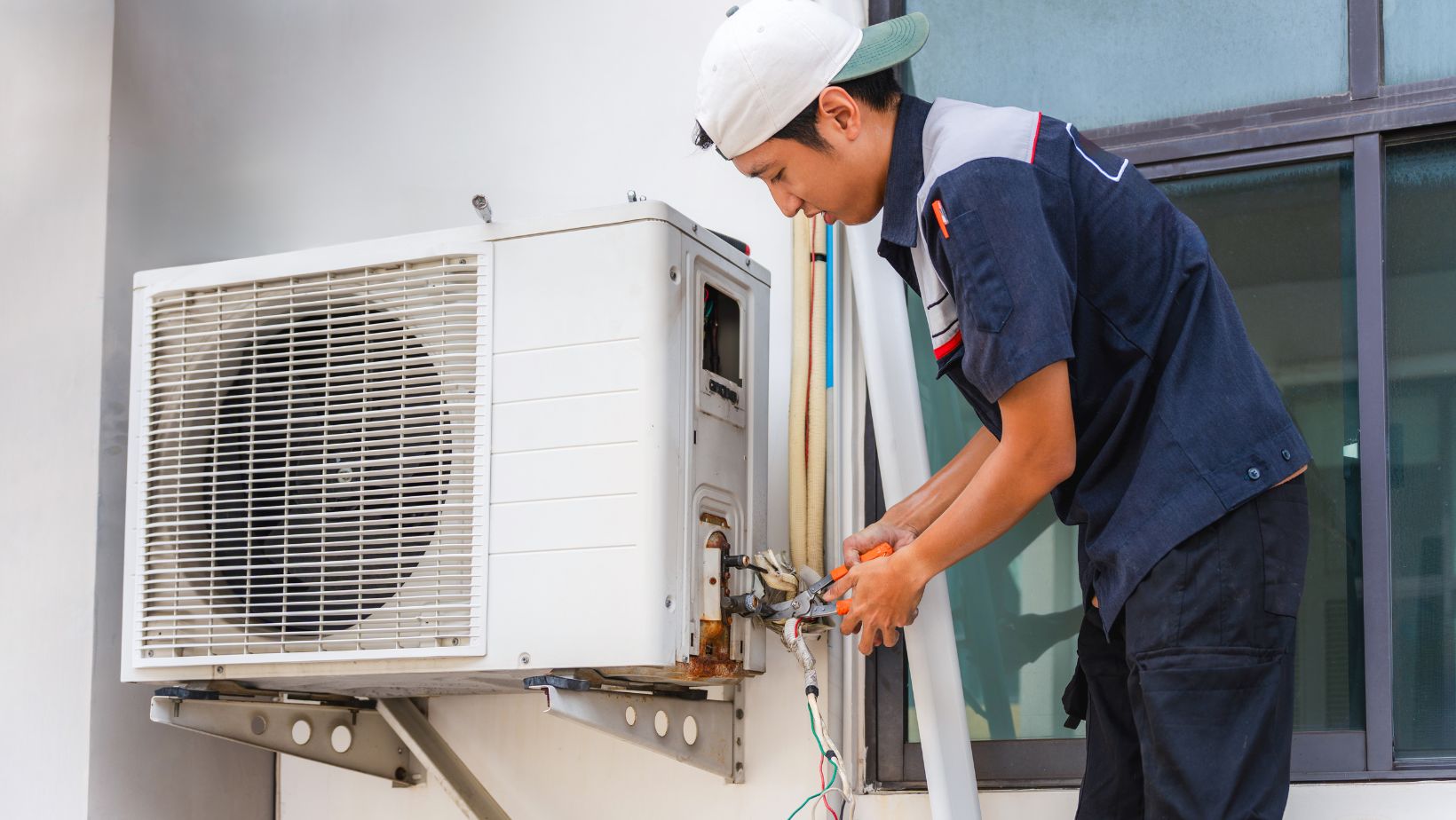
Sealing ducts improves both cooling performance and indoor air quality.
8. Check Insulation
Poor insulation increases cooling load, forcing your AC to work harder. Ensure attics and ductwork are properly insulated to maintain efficiency.
Before the First Heatwave: Professional AC Tune-Up
Professional maintenance ensures system readiness. A licensed technician can:
- Clean evaporator and condenser coils
- Test refrigerant pressure
- Inspect compressor performance
- Verify thermostat calibration
- Check electrical components and capacitors
Scheduling a professional AC service in Maryland helps prevent emergency repairs and protects warranties.
Common Mistakes Homeowners Make
- Skipping annual maintenance
- Ignoring unusual noises
- Using the wrong filter size
- Blocking vents or registers
- Delaying minor repairs
Addressing these issues before summer ensures a fully functional air conditioning system.
Energy Efficiency Tips
- Use ceiling fans to enhance airflow
- Install blackout curtains to reduce heat gain
- Seal windows and doors to prevent leaks
- Set thermostats gradually for comfort and efficiency
- Schedule maintenance early to reduce energy costs
Implementing these steps keeps your system running smoothly and helps reduce AC maintenance service costs.
Warning Signs Your AC Needs Immediate Attention
- Short cycling or frequent on/off
- Weak airflow or uneven cooling
- Strange noises like grinding or rattling
- Ice formation on coils or refrigerant lines
- Sudden spike in energy bills
- Warm air coming from vents
Early repair protects your investment and maintains indoor comfort.
When to Call a Professional HVAC Technician
Certain tasks require professional tools and expertise. If you notice refrigerant leaks, electrical issues, or repeated system failures, contact a licensed technician. Professional service ensures:
- Safe handling of refrigerants
- Accurate thermostat calibration
- Proper AC tune-up and maintenance
- Warranty compliance
- Optimized energy efficiency ratio (EER)
For trusted and comprehensive AC services in Maryland, homeowners can rely on Air Repair Pros for expert evaluations and preventative maintenance.
Seasonal Maintenance Timeline
Early Spring:
- Replace or clean filters
- Inspect thermostat
- Clear debris from condenser unit
Late Spring:
- Inspect evaporator coils
- Check refrigerant levels
- Inspect ductwork
- Verify airflow and insulation
Before First Heatwave:
- Schedule professional AC maintenance service
- Test compressor performance
- Inspect electrical components
- Confirm system readiness
Frequently Asked Questions
How early should I prepare my AC for summer in Maryland?
Begin inspections in early spring before temperatures consistently rise. Early preparation ensures the availability of professional services and prevents breakdowns during peak heat.
How often should refrigerant levels be checked?
Refrigerant should be checked annually. Low levels indicate a leak that must be repaired by a licensed professional. Regular checks ensure energy efficiency and optimal cooling performance.
Can I clean my condenser unit myself?
Light cleaning with a garden hose is safe. Avoid high-pressure water and ensure the power is off. For deep cleaning or bent fins, professional service is recommended.
Why is my AC running but not cooling?
Common causes include clogged filters, low refrigerant, frozen coils, or airflow issues. Addressing these issues early prevents further system damage.
Is professional AC service really necessary?
Yes. Licensed professionals ensure safe handling of refrigerant, check compressor performance, inspect electrical components, and maintain warranty compliance. Regular service reduces the risk of breakdowns.
How can commercial property owners prepare their AC?
Routine duct inspections, programmable thermostats, proper insulation, and scheduling professional maintenance help maintain consistent airflow and reduce operational costs.
Final Thoughts
Preparing your air conditioner before summer in Maryland is essential for maintaining comfort, efficiency, and system longevity. A structured approach — including filter replacement, condenser cleaning, coil inspection, and professional AC maintenance service — ensures your system can handle the high heat and humidity typical of Maryland summers.
For homeowners and commercial property managers seeking reliable service, First Response Heating & Cooling offers expert inspections, preventative maintenance, and full-service AC solutions to keep your cooling system running all season long efficiently. Taking action early protects your investment and ensures consistent indoor comfort when summer temperatures rise.