
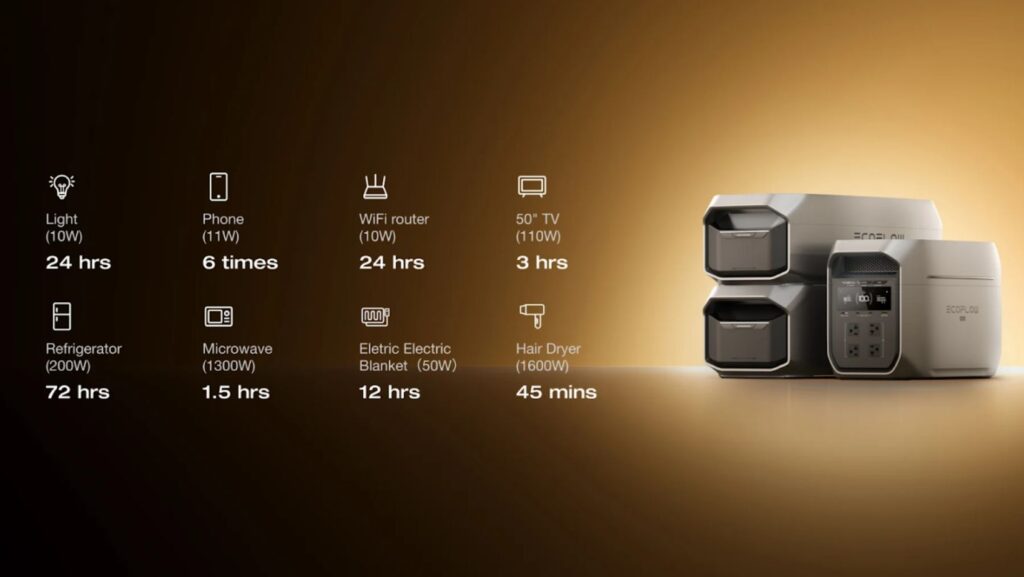
A power station is a rechargeable battery system that provides portable or backup electricity without fuel, noise, or exhaust. People use it to keep essentials running during outages, power gear off-grid, and support mobile work setups. In simple terms, it is a safer, quieter alternative to a gas generator for many everyday power needs.
What Is a Power Station?
A power station, often called a portable power station, combines a large battery with power electronics so you can plug in devices the way you would at home. It stores energy, then delivers it through familiar outputs like AC outlets, USB ports, and 12V DC ports.
What makes it different from smaller “power banks” is scale and capability. A typical phone power bank is designed for USB charging only. A power station is designed to run multiple devices, including AC appliances, and to be recharged in multiple ways.
The core parts of a power station
A power station is usually built around three essentials.
A battery is the energy tank. Capacity is measured in watt-hours (Wh). That number is the clearest indicator of how long the unit can power your devices.
An inverter converts the battery’s DC power into AC power so you can use standard wall-plug devices. Output is measured in watts (W). That number determines what you can run at all.
Inputs and ports handle charging and delivery. Most units support wall charging, and many also support car charging and solar input, alongside multiple outputs for different device types.
What Is a Power Station Used For?
Most people buy a power station for one of five reasons: home backup, outdoor use, van travel, emergency readiness, or work on the move.
Home backup power during outages
A power station is commonly used to keep essential household devices running when the grid goes down. It is especially practical for short-to-medium outages where you want quiet power indoors, not a loud generator outside.
For home essentials, many people find 1000–2000Wh to be a realistic starting range, depending on what they consider “must-have” loads.
Outdoor and camping use
For camping, the value is convenience. You can charge phones, run lights, power small cooking gear, and keep cameras and radios ready without engine noise or fumes. It is also useful in places where generators are restricted or socially unacceptable.
If your use is primarily charging electronics and running lights, 300–600Wh often covers the basics without adding too much weight.
Van life and road trips
In a van setup, a power station becomes a portable power hub. You can run a fridge, charge devices, and power fans or small appliances without relying on campsite hookups. The key advantage is flexibility: recharge from a wall outlet when you stop somewhere powered, recharge from the vehicle while driving, and use solar as a daily offset when parked.
For everyday road-trip comfort, 1000–2000Wh is a common “low-anxiety” range because it can handle fridge plus devices more reliably than smaller units.
Emergency preparedness
A power station is a practical emergency tool because it is clean and indoor-safe. You can keep it charged and stored, then use it immediately when needed. It also avoids the maintenance and fuel storage issues that come with generators.
If you want a “grab-and-go” emergency unit that still feels useful for normal life, many people stay in the 300–600Wh to 1000Wh range, depending on whether they want to include refrigeration in the plan.
Work and remote setups
For job sites, outdoor work, or remote work in places with unstable power, a power station can protect productivity. The critical spec here is output watts. If your tools or office gear need stable AC power, the power station needs enough continuous output to run them without tripping.
What Can a Power Station Power?
A power station can run anything that stays within its output limits and fits within its battery capacity. Think of it like this.
Output watts decide whether a device can run at all. Capacity in watt-hours decides how long it can run.
Small electronics
Phones, tablets, cameras, and laptops are the easiest loads. They are low power, flexible, and well-suited to USB-C charging. For these use cases, small-to-mid capacity units are often enough.
Medium appliances and “essential loads”
This is where most people feel the real value: routers, lights, fans, and fridges. These are the loads that make a home outage tolerable and make van travel comfortable.
Higher-demand devices
High-draw appliances like kettles, induction cooktops, and some power tools can be supported, but only if the unit has the right output capability.
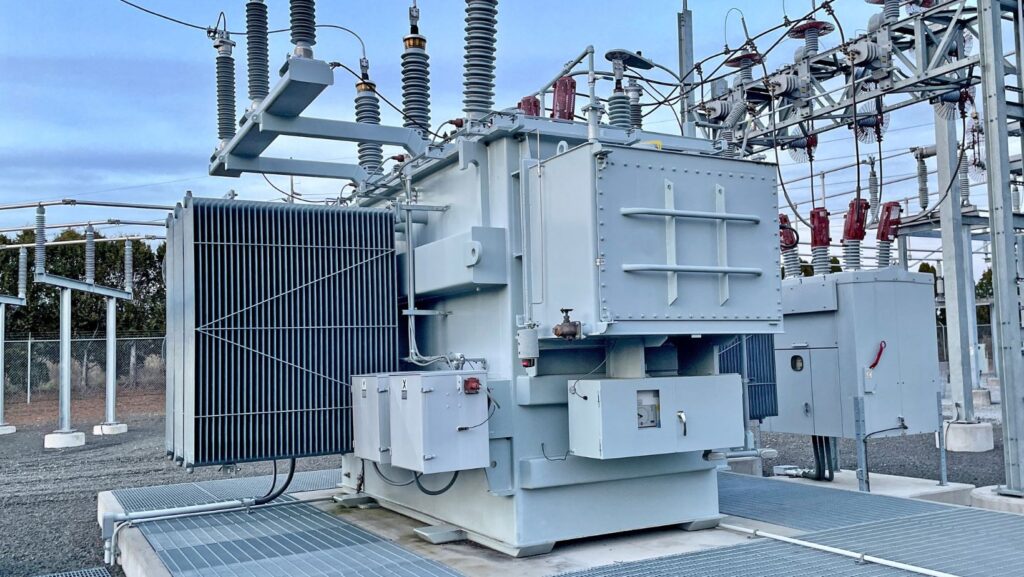
This is also where “peak watts” marketing can confuse buyers. In real life, stable continuous output is usually the spec that matters most.
How Do You Charge a Power Station?
Most power stations support multiple charging methods, and your best option depends on where you use it.
Wall charging
Wall charging is the simplest and most reliable. It is how most users top up at home before a trip or after an outage.
Vehicle charging
Car charging matters for travel. It allows steady replenishment while driving, which can be the difference between feeling power-limited and feeling comfortable on the road.
Solar charging
Solar is best treated as a daily energy offset rather than a guarantee of fully recharging each day. In many travel setups, 200–400W of solar input is enough to cover a fridge, device charging, and basic lighting, which reduces reliance on driving or shore power. Actual results depend on panel output, sunlight hours, and seasonal conditions.

Power Station vs Generator
A power station is not a generator replacement for every scenario, but it wins for many practical uses.
A generator is stronger for sustained high-power output and longer runtimes, as long as you have fuel and you can manage noise and exhaust.
A power station is better when you need quiet, indoor-safe power with minimal maintenance. It is also easier to use for short outages, travel, and everyday charging.
Who Should Consider Buying a Power Station?
A power station is a good fit if you experience outages, travel regularly, want quiet off-grid power, or need reliable electricity away from outlets. It is also a good fit if you care about indoor safety and don’t want to store fuel.
If you want it to power your whole home and handle heavy loads, consider a whole-home generator or a whole-home battery backup system.
Final Thoughts
A power station is a rechargeable battery system designed to deliver clean, quiet electricity through common outlets and ports. People use it for home backup, camping, van travel, emergency readiness, and mobile work because it is simple, indoor-safe, and flexible.
If you match output watts to what you need to run, match watt-hours to how long you need it, and choose charging options that fit your lifestyle, a power station becomes a genuinely useful tool in 2026 rather than an expensive gadget.