
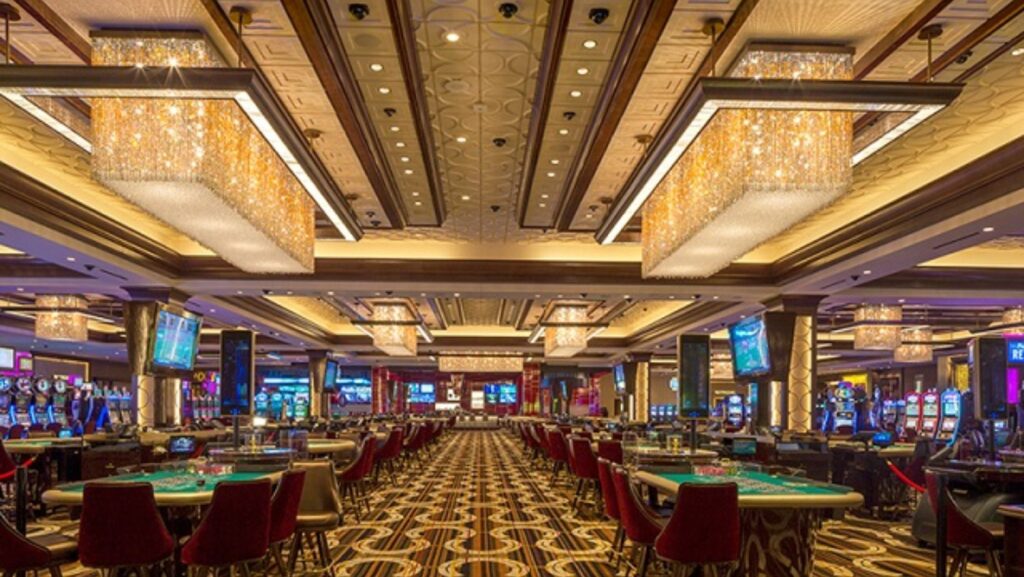
Modern entertainment spaces rely on interior design to shape how people spend time, move, and interact. Design choices influence comfort, attention, and behavior without calling attention to themselves. In luxury settings, these decisions carry greater weight because visitors expect clarity, control, and refinement rather than spectacle. Designers now treat entertainment interiors as functional environments first, where materials, lighting, acoustics, and layout work together to support long stays and repeated visits.
Entertainment no longer fits into a single category. A private screening room, a members-only lounge, a gaming venue, or a high-end casino all demand different solutions. Despite these differences, successful luxury interiors follow shared principles that support focus, ease of movement, and sensory balance.
A Digital Platform Shaped by Spatial Thinking
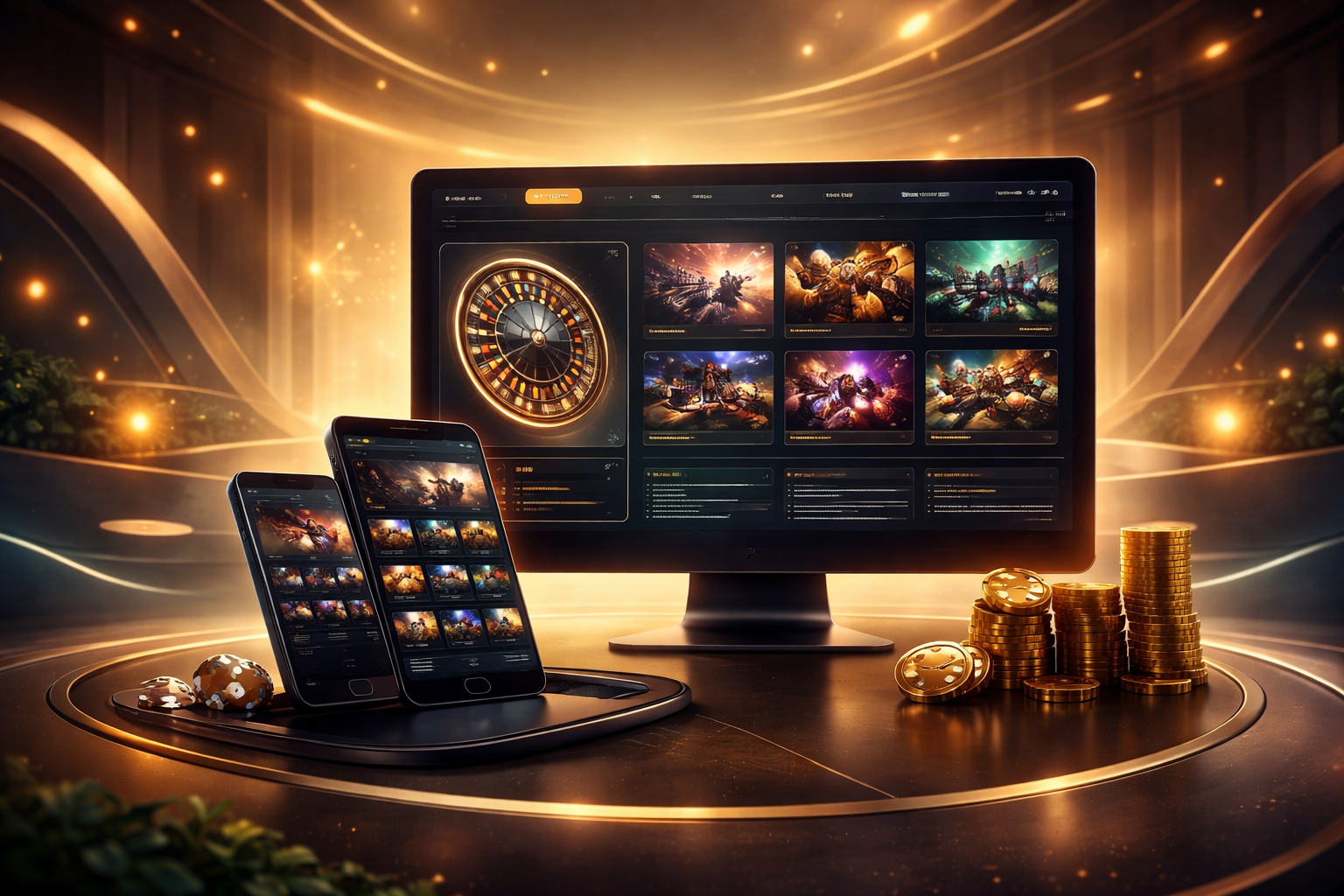
Modern entertainment platforms increasingly reflect principles borrowed from physical luxury environments. Digital structure, visual restraint, and user flow now matter as much online as they do in carefully designed interiors. Within this context, Spinsahara operates as a platform that applies spatial logic to the digital entertainment experience rather than relying on excess visual stimuli.
The platform organizes its interface in a way that mirrors well-planned entertainment spaces. Clear segmentation helps users understand where to focus their attention at any given moment. Navigation remains direct, with logical transitions between sections that reduce cognitive load. This approach reflects the same design discipline used in high-end entertainment interiors, where clarity supports prolonged engagement.
Several advantages define this approach:
- Predictable interface structure that limits distraction
- Visual balance that avoids screen fatigue
- Consistent layout rules across different sections
Spinsahara also prioritizes performance stability. Just as luxury entertainment venues rely on dependable infrastructure behind the scenes, the platform maintains steady operation across sessions. Users encounter fewer interruptions, which supports longer interaction without frustration. This stability aligns with expectations formed by premium physical environments, where systems function quietly and efficiently.
Another strength lies in controlled visual contrast. The platform avoids abrupt shifts in color intensity or layout density. This decision mirrors lighting strategies used in casinos and digital gaming lounges, where designers manage brightness to support focus rather than excitement overload. As a result, users can engage for extended periods without visual strain.
Spinsahara further benefits from structured content zoning. Different activity areas remain distinct, allowing users to switch between modes without confusion. This separation reflects how luxury entertainment interiors divide social, focused, and transitional zones. Digital zoning improves orientation and reinforces a sense of order.
Entertainment as a Spatial Experience
Entertainment design begins with understanding behavior. People enter these spaces to relax, engage, and concentrate for extended periods. Interiors must guide attention without forcing it. Designers rely on proportion, sightlines, and zoning to avoid confusion or fatigue.
In luxury entertainment spaces, circulation matters as much as seating or décor. Guests should move naturally from entry points to activity areas without signage overload. Designers achieve this result through subtle transitions in flooring, ceiling height, or lighting temperature. These choices allow the space to communicate function without text or symbols.
Key spatial priorities include:
- Clear movement paths without visual clutter
- Gradual transitions between active and quiet zones
- Balanced distances between seating, screens, or gaming tables
These principles apply equally to private residences and public venues. The scale changes, but the logic remains consistent.
Material Selection and Surface Control
Luxury interiors depend on material discipline rather than excess. Designers select finishes that age well, handle wear, and maintain visual calm. Entertainment spaces face heavy use, which makes durability a core concern.
Hard surfaces often dominate floors and walls, but designers offset them with controlled textures. Upholstery, acoustic panels, and layered fabrics reduce sound reflection while keeping the environment composed. Wood, stone, leather, and metal appear frequently because they handle light predictably and resist visual fatigue.
Common material strategies include:
- Matte finishes to reduce glare from screens or lighting
- Natural materials that maintain stable color under artificial light
- Limited material palettes to prevent distraction
In spaces such as a casino floor or a private gaming lounge, surface consistency supports concentration. Sudden texture changes can interrupt focus and reduce comfort over time.
Lighting as a Functional Tool
Lighting defines modern entertainment interiors more than decoration does. Designers avoid dramatic contrasts or theatrical effects in favor of controlled illumination. Light supports visibility, mood, and orientation without drawing focus to fixtures.
Layered lighting systems allow designers to adjust intensity throughout the day. Ambient light maintains baseline comfort. Task lighting supports specific activities like reading screens or handling equipment. Accent lighting highlights circulation paths or architectural features without decoration overload.
A practical lighting plan often includes:
- Warm ambient lighting for extended stays
- Focused task lighting near activity zones
- Low-glare fixtures to protect visual comfort
In environments that operate around the clock, such as casinos, lighting also supports time perception. Designers avoid daylight simulation to prevent disorientation while maintaining enough brightness for alertness.
Acoustics and Sound Management
Sound control plays a central role in entertainment interiors. Poor acoustics cause fatigue faster than visual issues. Luxury spaces address this problem through structure rather than add-ons.
Designers integrate acoustic solutions into ceilings, walls, and furnishings. Upholstered surfaces absorb excess noise. Panel systems manage reverberation without visible treatments. Spatial separation reduces sound overlap between zones.
Effective acoustic planning results in:
- Clear sound without echo
- Reduced background noise during peak use
- Comfortable conversation levels across the space
In a high-end casino or screening room, sound clarity supports engagement. Guests stay longer when noise levels remain stable and predictable.
Technology Integration Without Visual Noise
Modern entertainment depends on technology, yet luxury interiors conceal it whenever possible. Screens, speakers, control systems, and wiring must function reliably without dominating the visual field.
Designers coordinate closely with technical specialists early in the planning process. This collaboration allows walls, ceilings, and furniture to accommodate equipment without retrofitting. Hidden access panels and recessed mounts keep systems accessible for maintenance.
Technology integration focuses on:
- Flush-mounted screens and speakers
- Centralized control systems with minimal interfaces
- Cable management embedded into architecture
These strategies apply across settings, from residential media rooms to large-scale entertainment venues. When technology disappears visually, the space feels calmer and more intentional.
Furniture Planning and Human Scale
Furniture defines how people use entertainment spaces over time. Luxury interiors avoid overcrowding while still offering choice. Designers select pieces that support posture, movement, and personal space.
Seating arrangements balance privacy with visibility. In social entertainment areas, furniture clusters encourage conversation without forcing interaction. In focused environments, seating aligns toward screens or activity centers.
Furniture planning follows several principles:
- Adequate spacing for movement and comfort
- Ergonomic seating for extended use
- Consistent scale to avoid visual imbalance
In public venues, designers often test layouts through mock-ups or simulations. These steps reduce errors that could affect circulation or capacity later.
Zoning and Behavioral Flow
Luxury entertainment interiors rely on clear zoning. Each area serves a defined function, even when boundaries remain subtle. Designers avoid open plans that lack direction.
Zones may separate social interaction from focused activity, or public access from private areas. Lighting shifts, ceiling treatments, or furniture orientation often mark these changes without walls.
A typical zoning structure includes:
- Entry and orientation zones
- Primary activity areas
- Rest and transition spaces
In large entertainment venues, zoning also supports operational needs. Staff movement, service access, and security functions integrate into the plan without disrupting guest experience.
Cultural and Contextual Sensitivity
Entertainment interiors reflect cultural expectations. Designers consider regional habits, climate, and social norms during planning. Luxury does not follow a universal formula.
In some regions, privacy carries higher value. In others, social visibility defines status. Designers adjust layouts, seating density, and spatial hierarchy accordingly.
This sensitivity ensures that entertainment spaces feel appropriate rather than imposed. A casino interior designed for one market may fail in another if it ignores behavioral patterns. References such as Spinsahara sometimes appear in design briefs as conceptual markers rather than branding elements, guiding atmosphere and scale expectations without direct representation.
Sustainability and Long-Term Use
Luxury interiors increasingly address longevity. Designers choose materials and systems that reduce maintenance cycles and resource consumption. Entertainment spaces benefit from durable finishes and modular components.
Sustainable strategies include:
- Energy-efficient lighting systems
- Materials with low replacement frequency
- Flexible layouts that support future updates
These decisions reduce operational strain while maintaining visual consistency. Long-term thinking aligns with luxury expectations, where stability often matters more than novelty.
Key Design Factors and Their Effects
| Design Factor | Practical Effect on Entertainment Spaces |
| Lighting control | Reduces eye strain and supports long use |
| Acoustic planning | Maintains comfort during peak activity |
| Material discipline | Limits distraction and visual fatigue |
| Zoning clarity | Improves movement and user orientation |
This table highlights how specific design choices translate into functional outcomes without relying on decorative language.
Conclusion
Luxury interiors define modern entertainment spaces through restraint, clarity, and technical coordination. Designers focus on how people move, see, hear, and remain comfortable over time. Every decision serves a functional goal, even when the result appears understated.
From private media rooms to large entertainment venues and casino environments, successful interiors support sustained engagement without overload. Materials, lighting, acoustics, and layout work together to create spaces that feel controlled rather than theatrical. As entertainment continues to blend social and personal experiences, interior design will remain central to how these spaces perform and endure.