
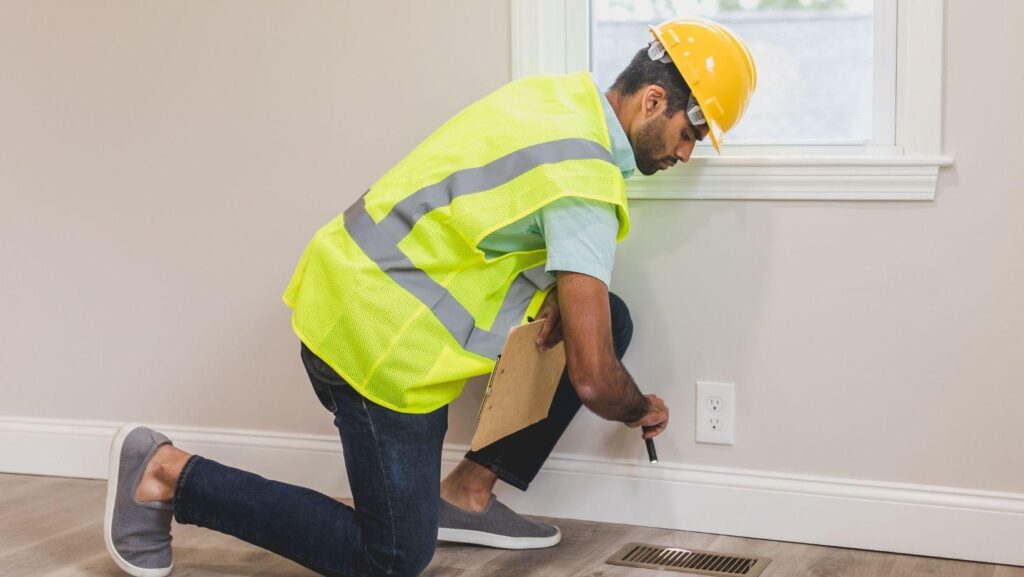
The ductwork in your home serves an important purpose in regulating room temperatures and ensuring that your HVAC system properly distributes conditioned air. This is the case since most of the ductwork in homes is typically concealed behind walls, floors, or ceilings.
Fortunately, homeowners need not be concerned about ductwork inspection frequency. With a ductwork replacement services and observance of warning signs, you’ll have the information you’ll need to determine if it’s time for an expert inspection.
How Often Should Ductwork Be Inspected in a Typical Home?
There is no universal inspection period that is applicable to all homes. The best schedule will vary depending on:
The age of the ductwork.
- The indoor air quality characteristics of the house
- Previous duct repairs
- Whether the house has been remodeled or not
- Number of times the HVAC runs; how often it is doing something.
It is also advisable for homeowners to visually inspect accessible parts of ductwork from time to time. Check for visual inconsistencies, loose areas, wet insulation, and damp spots.
When Should You Inspect Ductwork More Often Than Once a Year?
While annual professional ductwork cleaning isn’t always required for every house, there are some house conditions that may warrant more frequent ductwork cleaning.
Consider arranging an inspection if:
- You have issues with heating up or cooling down that aren’t making sense to you.
- Large repair jobs have been performed on the HVAC system.
- You’ve remodeled an area containing ductwork.
- You think you’ve damaged ducts.
- A continuous problem in your home is ventilation.
- You have seen an unusual spike in energy costs.
- There are signs of moisture around ducts or HVAC equipment.
Consider any of these concerns if you experience them; don’t delay your next routine HVAC checkup.
What Are the Warning Signs That Your Ductwork Needs Inspection?
There are a number of indications you can get from your HVAC system that something has gone wrong with the ductwork.
Watch for:
- Decreased ventilation
- Unusual dust build-up
- Loose or damaged parts
- Unusual odors
- Longer cycles
All of these symptoms can occur in the presence of duct problems.
What Happens During a Professional Ductwork Inspection?
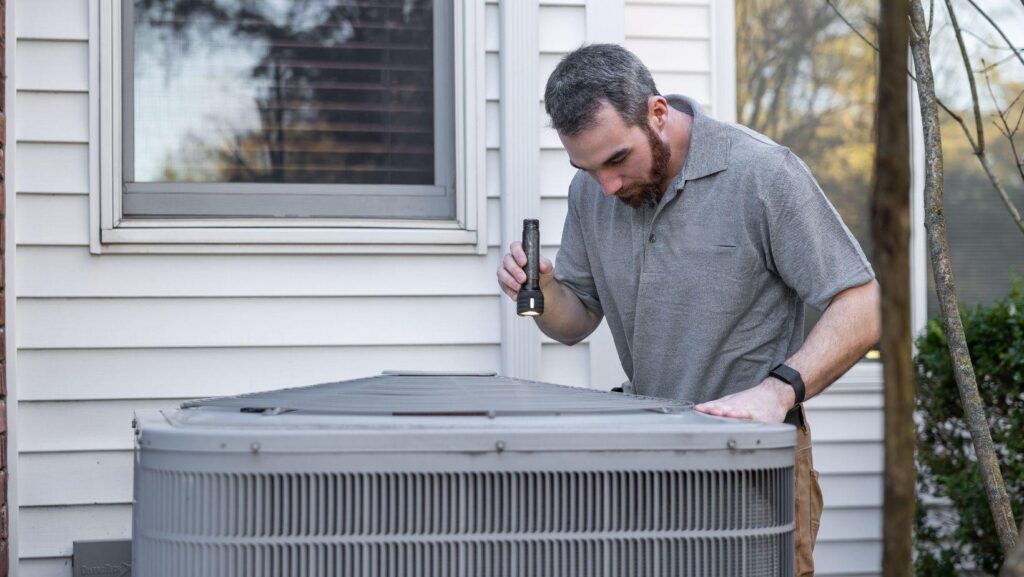
Professionals inspect ductwork much more thoroughly than by observing the ductwork system alone.
The technician can verify:
- Insulation
- Registers and grilles
- Airflow
- Leaks and/or damage apparent to the naked eye
- Evidence of moisture
- Tolerate some signs of pests or debris
- The state of equipment and accessible ductwork
The technician can also inspect duct interaction with the HVAC system. Broken or leaky ductwork can reduce effectiveness in how it circulates air throughout the house and can cause home cooling and heating systems to perform less effectively.
Should Ductwork Be Cleaned During Every Inspection?
An inspection determines if there are issues to be addressed, and cleaning eliminates particles of dust and debris or other issues when cleaning is appropriate. A regular ductwork inspection frequency can also help with knowing when to clean the system.
When there is:
- Evidence of pests
- Suspected contamination
- Construction debris
- Ongoing issues that professional tests have been tied to dirty air conditioning systems.
Cleaning should be done with caution. Cleaning when it is not necessary may prove to be an ineffective solution costing money.
What Is a Simple Ductwork Inspection Schedule for Homeowners?
Almost 30% of airflow around the home is lost due to leaks. A simple ductwork inspection is easy to remember and can prevent long-term damage.
Every Few Months
Inspect easily accessible vents and ductwork for visible issues.
Look for:
- Damaged insulation
- Visible gaps
- Unusual dust
- Moisture
Once a Year
Check during annual HVAC maintenance, when you could ask the HVAC technician to inspect ductwork for airflow issues. This is especially helpful prior to periods of heavy heat or cooling.
Every Few Years
If it is an older home or HVAC unit, think about organising a ductwork inspection schedule.
At Every Opportunity
If you see or suspect:
- New noises
- Their rooms have high temperature variance.
- Persistent odors
- Increased usage of energy that does not seem to have a rational explanation.
- Visible duct damage
Homeowners who have ductwork issues can consult an expert HVAC technician in Monterey, such as Fuse Monterey, to determine if the ductwork is impacting the performance of the heating or cooling equipment.
Conclusion
It’s always a good idea to have a yearly professional inspection of ductwork, and not something to forget. It is a good idea to inspect accessible ductwork regularly (annually is good practice), as well as to perform periodic maintenance of HVAC systems, and to conduct more thorough inspections every several years, or when issues arise.