
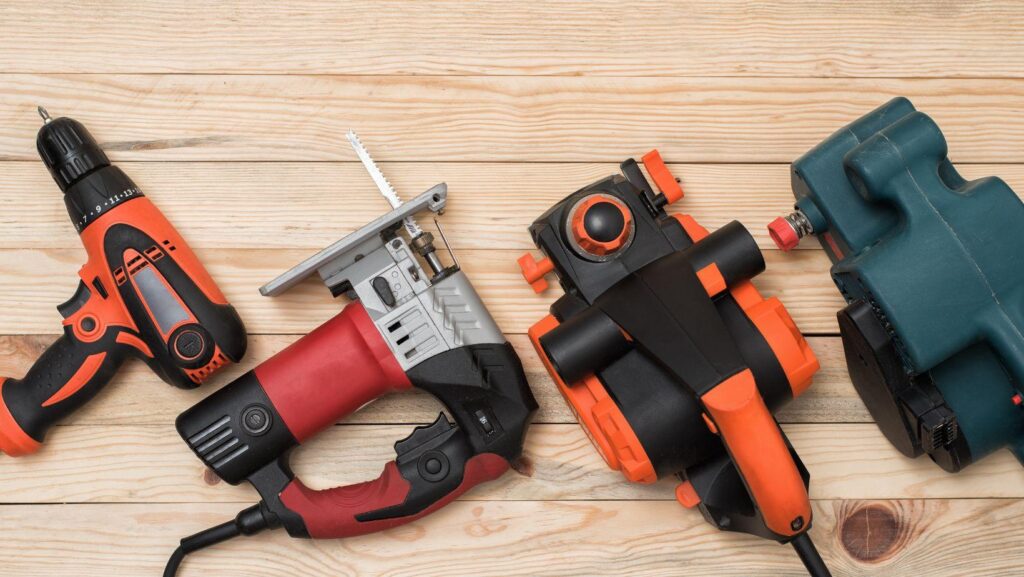
Premium power tools can be a significant investment for DIY enthusiasts, woodworkers, contractors, and professionals. While high-end tools often come with advanced features and strong construction, their higher price means buyers should carefully consider whether they offer the right value for their needs. Before investing in premium power tools, consider these six factors.
1. Consider Tool Performance and Capabilities With Windsor Plywood
Performance is one of the most important factors when choosing a premium power tool. Power, precision, speed, and consistency can all affect the quality and efficiency of woodworking projects. Buyers should consider whether a tool provides capabilities that a standard alternative may not offer and whether those features are useful for their typical projects.
When comparing professional-grade options, having access to detailed product information can make the decision easier. A buyers guide to festool products can help shoppers understand the features, applications, and considerations associated with different models. Windsor Plywood can also be part of the research process when comparing woodworking tools and equipment based on the type of work being completed.
2. Evaluate Build Quality and Durability
Build quality can have a major impact on how well a power tool performs over time. Premium tools may use durable materials and construction methods designed to withstand frequent or demanding use. Before making a purchase, consider how often the tool will be used and the types of projects it will handle.
A durable tool may provide greater long-term value when it is regularly used for professional or intensive woodworking applications.
3. Look at Features That Improve Efficiency
Premium power tools often include features designed to make projects more convenient and efficient. Depending on the tool, these may include precision controls, adjustable settings, ergonomic handles, dust collection systems, and integrated accessories.
Consider which features will actually improve your workflow. Paying more for features that you rarely use may not provide meaningful value, while useful functions that save time or improve accuracy can make a noticeable difference.
4. Compare the Total Cost of Ownership
The purchase price is not the only expense to consider when buying power tools. Accessories, replacement parts, blades, batteries, maintenance, and other consumables can add to the overall cost.
Reviewing these expenses before purchasing can give you a clearer understanding of what the tool will cost over its useful life. Warranty coverage and access to replacement components may also be worth considering.
5. Think About Compatibility and the Tool Ecosystem
Some premium power tools are designed to work with specific accessories, batteries, dust extractors, or other equipment. If you already own tools from a particular brand or system, check whether the new equipment will work with what you have.
Compatibility can reduce the need to purchase additional equipment and may make your overall workshop setup more convenient.
6. Determine Whether the Investment Matches Your Needs
Finally, consider whether a premium power tool is appropriate for your skill level, budget, and projects. A high-end model may be useful for someone who works frequently on detailed or demanding projects, while occasional DIY users may have different requirements.
Research different models, compare features, and think about how often you will use the tool before making a decision.
Making a More Informed Power Tool Investment
Investing in premium power tools requires more than comparing prices. Performance, durability, useful features, ownership costs, compatibility, and personal requirements can all influence whether a tool provides good long-term value. By considering these factors carefully, buyers can make more informed decisions when selecting equipment for their workshop or projects.