
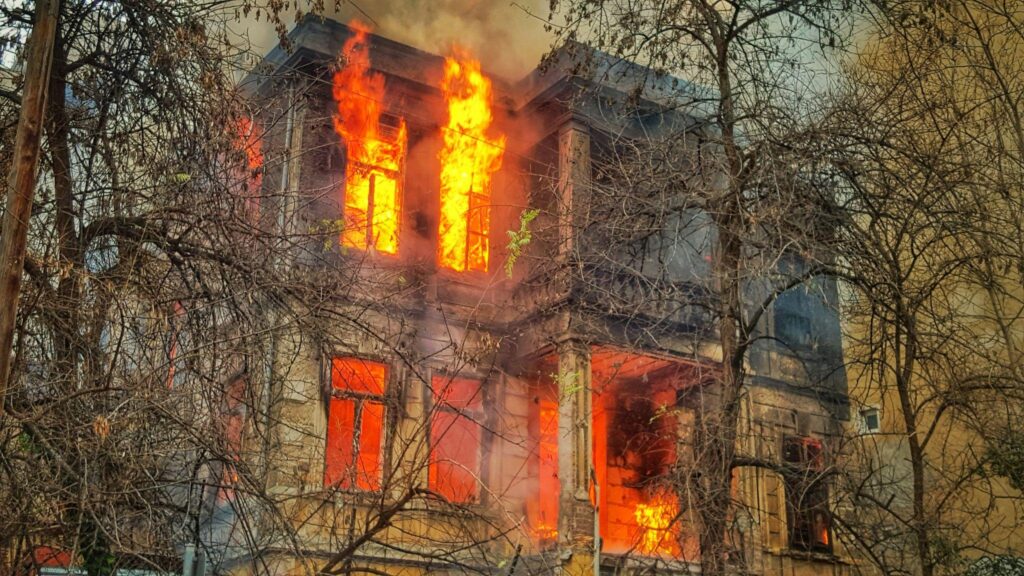
The consequences of a household fire include injuries from the fire, as well as smoke, soot, water, utility, and structural damage. You can’t even begin to think about repair or reconstruction until you’ve addressed safety issues. The American Red Cross suggests that one should not return to the burned house unless declared safe by the authorities.
An effective fire restoration checklist clearly outlines the choices you need to make in this situation. For a homeowner in Los Angeles, this will likely involve finding experienced professionals in fire damage restoration in Los Angeles. Immediate objectives include keeping people safe, documenting the damage, preventing further loss, and deciding what to salvage.
What Should You Do Immediately After a Fire?
First, ensure everyone’s safety. Although firefighters have put out the fire, you mustn’t enter the building because the fire may have weakened the building’s structure. Wait for the fire department’s “all clear.”
Once you are allowed to enter, avoid making unwanted alterations. Knowing the property’s condition is important and will help insurers and restoration companies. If you need temporary fixes, keep receipts.
How Can You Document Fire Damage for Insurance?
Before you clean up, discard items, or make repairs, document the situation as thoroughly as possible. According to the National Association of Insurance Commissioners, take pictures and videos of the damage, and prepare an inventory list of damaged items for a home insurance claim.
Take pictures of the room from different angles, and take individual pictures of damaged items. Damaged items should not be discarded until you are told otherwise by your insurance company.
When smoke and/or water damage affects several items, an organized list is very useful. Include the item name, age, condition, and how it was purchased.
What Utilities Should Be Checked After a Fire?
Don’t turn on utilities just because the structure looks stable. A fire can cause hidden damage to electrical wires, pipes, or gas connections inside the house.
If you notice external damage to wires, a gas odor, or hissing sounds, evacuate and contact the relevant service provider immediately. According to FEMA, inspect damaged utilities before use. The same is true for water. Damaged pipes can be hidden in walls and floors, among other places.
How Should Smoke and Soot Damage Be Handled?
Fire damage doesn’t end where the fire ends; smoke and soot can spread into areas with no visible damage and leave marks and smells on walls, ceilings, furniture, fabrics, and other surfaces.
Don’t try to wipe soot off surfaces, since this will only spread it further. The Red Cross states that smoke odors and soot can be very difficult to remove and may be best handled by professionals.
Be careful as you attempt cleanup. Per Environmental Protection Agency standards, wear appropriate protective clothing and a suitable respirator when working with ashes, and those with health hazards should avoid cleaning.
This is particularly significant for homeowners shifting from emergency cleanup to reconstruction. At times, an organization like High Touch Remodeling, which does design-build work, may get involved, but the initial stage must prioritize safety.
Which Belongings Can Be Saved After a Fire?
A fire doesn’t have to destroy everything in the affected zone. Depending on how the situation develops, you may be able to salvage furniture, textiles, records, and other decorations, but damage levels will vary by material. When identifying which household items to throw away after fire damage, the American Red Cross instructs individuals to discard any items damaged in any way by heat, smoke, or soot.
As for all other possessions, think of the following factors:
- The extent to which the object was exposed to heat or fire
- If the object is contaminated by soot, smoke, or water
- If the materials of which the object is made can be cleaned or restored professionally
- Whether restoration is worth considering rather than replacing the object.
How Long Does Fire Damage Restoration Take?
No set schedule applies to all cases. A smaller fire with minimal smoke and water damage may move through the cleaning process fairly quickly, but a bigger fire will need extensive structural repair before reconstruction can begin.
The process may include inspection, water removal and drying, deodorization, removal of irreparable items, restoration, and reconstruction. If structural parts are compromised, engineering studies and reconstruction will take time. First, homeowners shouldn’t set a completion date unless they know how badly the structure is damaged.
What Does a Complete Fire Damage Restoration Checklist Look Like?
Your fire damage restoration checklist will provide a natural flow guide to help you navigate the process systematically.
- Ensure that it is safe to enter the property/building/structure.
- Take any injured people, or those affected by smoke, to a doctor.
- Contact your insurance provider to understand the claims process.
- Take pictures and document the damage so you have all relevant information.
- Have your utilities checked before starting any kind of restoration.
- Categorize your belongings as salvageable or unsalvageable.
- Address any smoke, soot, or water damage with proper restoration techniques.
- Have any structural damage inspected before starting any rebuilding work.
- Document your restoration expenses.
- Do not make any repairs or renovations without inspecting the house first and ensuring that it is structurally sound.
In conclusion
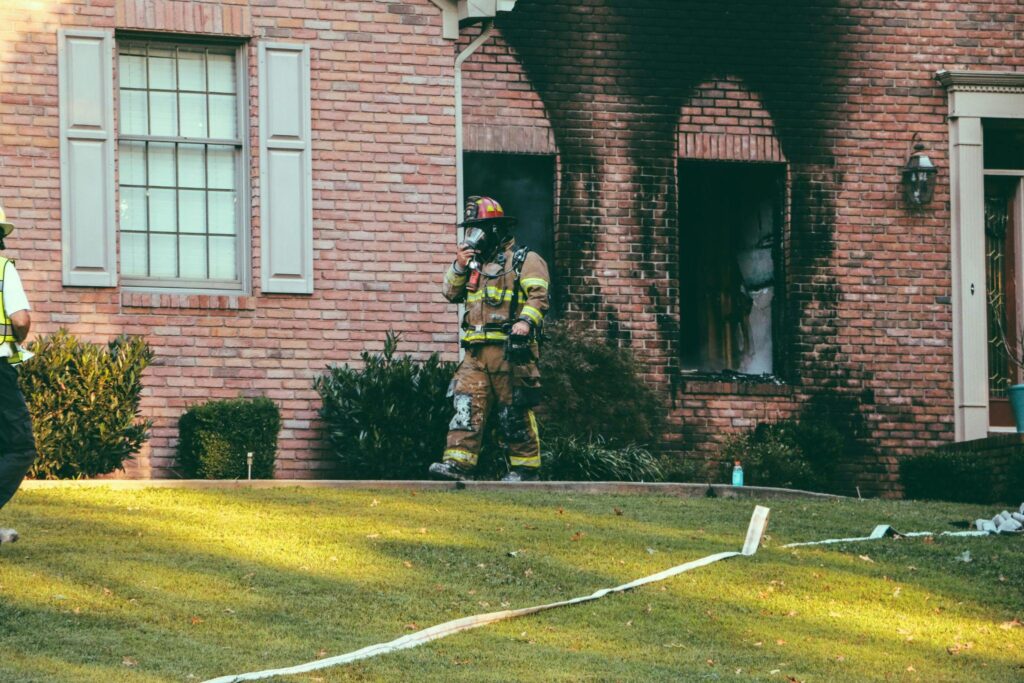
Fire recovery may be time-consuming, but breaking it into phases makes it much easier. The first phase is to secure the place. After that, you should determine the extent of the damage and check utility systems. Once a household has assessed all the losses, they can start considering restoration or rebuilding.
If you have gone through a fire-related restoration project, what step helped you most? Share your experience and lessons learned.