
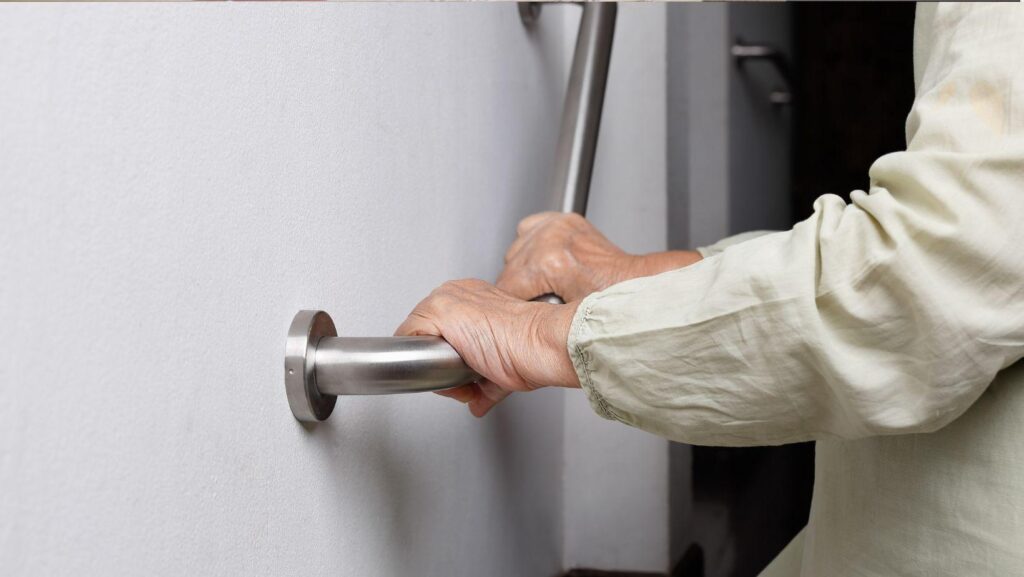
An accessible residence is a place where daily movement is secure and simple to navigate. Handrails are a functional component of this design because they offer a firm surface to hold when a resident experiences difficulty with equilibrium or physical power. Installing handrails throughout a house allows residents to travel between rooms and perform tasks with more self assurance – these fixtures work with other modifications to ensure a house remains usable as physical requirements change.
Enhancing Safety on Stairs
Staircases are often difficult for residents who have restricted movement or those who lack the leg strength to climb steps. Securely mounted handrails provide a surface to grasp while moving up or down – this assistance makes the process more regulated and helps a resident stay upright. Placing rails on both sides of the stairs offers more stability and lets a resident use the side that feels most natural.
The construction and location of these rails are vital during a home renovation. Effective rails are simple to hold, firmly fixed to the wall and set at a height that matches the user. Continuous rails are helpful because a resident does not have to let go of the support while moving. Owners who update a house for accessibility should view handrails as a primary requirement of the staircase rather than a decorative addition.
Assistance in the Bathroom
Bathrooms are locations where handrails are necessary because moisture makes floors slippery and harder to walk on. Rails placed near showers, tubs and toilets help a resident sit down or stand up safely. Grab bars are built to support the weight of a human body, whereas towel racks are not strong enough for this purpose. The location of these bars should match how a resident moves within the specific layout of the room.
Renovating a bathroom is a good time to add structural blocking inside the walls to support future rails. Preparing the walls ensures the handrails are in the most effective positions. A well designed bathroom uses handrails alongside floors that have high friction, open shower entries and bright lamps – these combined features make personal hygiene tasks easier for residents with physical limitations.
Support During Transitions
Small changes in floor height or narrow walkways are often difficult to navigate even without a full set of stairs. A handrail offers balance near entrance steps, lowered living areas or porches – these supports help residents stay steady while they shift their weight or change their footing.
Adding rails at specific points makes the entire building easier to use. Hallways are also places where a resident might need to stop and rest or steady themselves while walking. The effectiveness of these rails depends on careful placement and leaving enough space for hands to grip the bar. During a renovation, owners can observe where residents usually touch walls or furniture for balance. Installing official handrails in those spots provides a more reliable form of support.
Encouraging Daily Autonomy
Effective accessibility features focus on helping a resident act without help from others. Handrails allow residents to stand, walk or change levels without needing another person to assist them. For a resident who uses a motorized mobility scooter, handrails near doors make it easier to move from the device to a chair.
The objective is to design a house that assists movement rather than creating obstacles. Various home upgrades work together with handrails to offer better support. Lift chairs for seniors helps residents sit and stand in living rooms, while better lighting and smooth flooring make walking safer. Homeowners should plan these features as a single system because accessibility is the result of how all parts of the house function together.
Preparing for Future Requirements
Handrails are useful even if a resident does not have a current disability. Physical needs often change because of aging or the recovery process after a medical event. Planning for the changes during a renovation prevents the need for loud or expensive construction in the future. Owners can identify high traffic areas and prepare the walls so that installing rails later is a simple task.
Renovations focused on accessibility should prioritize utility. Handrails are available in many styles that look attractive in a private residence. Choosing strong materials and comfortable shapes ensures the rails remain functional for many years. Professional installation is often the best choice to ensure the rails are safely attached to the internal structure of the house.
Conclusion
Handrails are a primary tool for making a house safer for residents with physical challenges. They provide support in bathrooms, stairways and hallways where movement is difficult. When included in a renovation plan, handrails increase accessibility and help residents live independently as their needs evolve.