
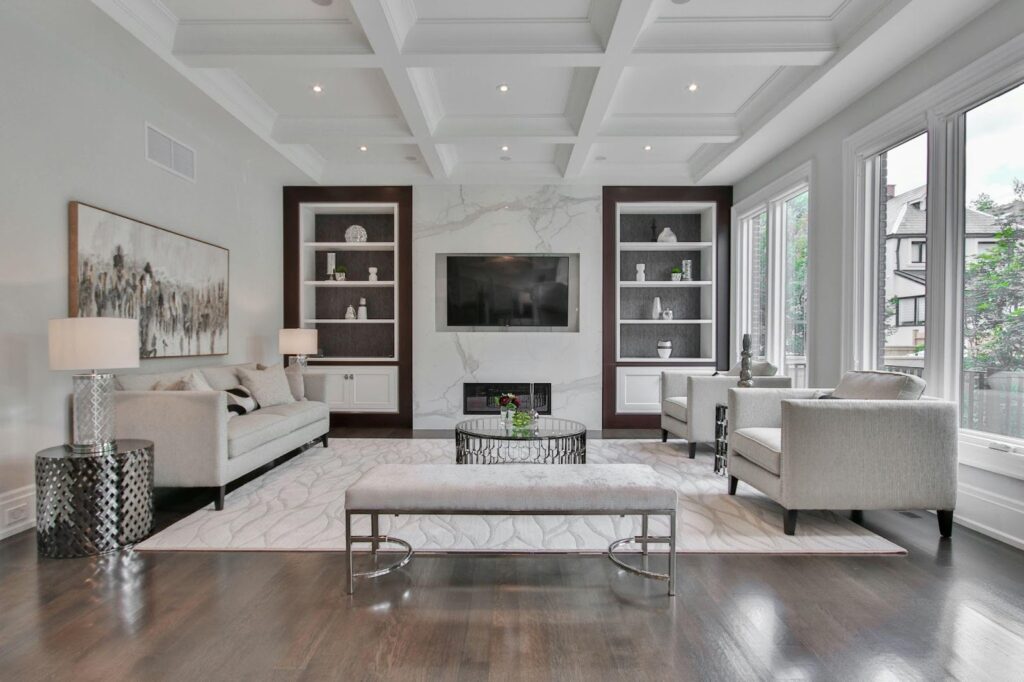
It is generally good to have one eye-catching surface that attracts the eye and acts as the anchor of the room. Wall panels can be used with great care as a focal point without the need to do extensive remodelling. A plain surface can be made memorable when there is a combination of texture, colour, and depth. Placed in the right way, panels will bring harmony to a room, and they will have a soft effect on its atmosphere.
Since the panelled surfaces offer impact whilst causing relatively minimal disturbance, they are the option that many homeowners consider. Contemporary products such as wet wall panels can be a great solution for those interested in making a bold interior choice while still achieving durability and convenience in maintenance. They are commonly applied in kitchens and bathrooms, though designers are also applying similar materials in living areas, bedrooms, and entry areas.
Why Feature Walls Transform a Space
A feature wall transforms the equilibrium of a room in virtually no time. Rather than all the surfaces competing to capture the attention, there is a carefully designed space that is the inherent center of attention. The decorative pieces, furniture, and lighting then revolve around that central visual element.
Here, the influence of texture is very strong. Flat paint seldom gives the same effect of depth that layered surfaces give. Grooves, ridges, or geometric patterns reflect light in different ways at various times of the day and add some form of movement to an otherwise still setting.
Atmosphere is also created by the choice of colour. Dark charcoal colors give lounges their dramatic effect, and warm oak finishes provide the coziness of a relaxing bedroom. Hallways can be enhanced with finishes that are brighter and lead the visitors inwards.
Choosing the Right Panel Style
There is more to choosing a design than just a colour. The final wall’s appearance is influenced by scale, pattern, and proportion. Compact spaces appear taller thanks to vertical fluting, which stretches a low ceiling. In contrast, wide horizontal boards extend the perceived width throughout smaller lounges.
The choice of materials is equally important. Warmth and a natural look are provided by timber panels. Stone effect surfaces have a sophisticated, architectural appearance. Composite materials offer both longevity and a sleek, modern appearance.
Matching Panels With Interior Themes
Every house has its own personality. Traditional interior design frequently favours shaker-inspired patterns or traditional rectangular mouldings. Sleek slatted designs that highlight clean lines are common in modern apartments. Reclaimed wood surfaces with knots and grain variations may be more appealing to rustic homes.
The focal point won’t feel isolated from the rest of the room if the furniture and panelled surface are harmonious.
Creating Balance in Living Rooms
A statement surface is best placed in living areas. In order to naturally draw attention to the sitting arrangement, many homeowners position the panelled part behind the main sofa or television. Lighting placed next to or above the panels highlights texture and adds depth.
The wall can be made even more remarkable by using colour contrast. A powerful visual anchor is produced by contrasting pale furniture with darker boards. On the other hand, delicate changes in tone provide elegance without dominating the room.
Consideration should be given to the artwork. Occasionally, the textured background is sufficient on its own. In other cases, further individuality is added by layering a single huge painting over the panels.
Adding Character to Bedrooms
Softer visual intensity is good for bedrooms. Across the width of the space, panels behind the bed frame provide an elegant headboard impression. Wood grains, soft neutral hues, or fabric textures all contribute to architectural interest while preserving a serene atmosphere.
In the evening, lighting installed above the feature area provides warmth. Soft shadows are thrown across the surface by pendant or wall sconces, highlighting depth and design.
Subtle Elegance Through Colour
In areas where people sleep, muted colour schemes are especially effective. Warm sand, dusty blue, or sage green hues promote relaxation. These hues produce a layered environment that is cosy rather than overpowering when paired with textured materials.
Enhancing Hallways and Transitional Areas
Although they provide enormous potential for design impact, entrance halls seldom receive the same decorative attention as living areas. A sense of craftsmanship is introduced from the moment a visitor enters the house, thanks to panelled surfaces.
Because they raise the walls’ apparent height, slim vertical grooves work well in small hallways. Additionally, lighter hues keep the space from feeling cramped. Nearby mirrors enhance the feature impression by reflecting light and texture.
Practical Considerations Before Installation
Careful planning is essential for effective results. Accurate measurement guarantees that designs line up correctly throughout the wall. Before installation, electrical outlets, switches, and lighting locations must be planned.
In some spaces, particularly bathrooms and kitchens, moisture resistance is important. Long-term damage can be avoided by choosing materials made for such conditions. Longevity is ensured by secure fastening and proper sealing.
Design decisions are also influenced by budget. Although high-end finishes might improve the overall look, many reasonably priced panel systems can have an equally striking visual impact when placed properly.
A Simple Way to Elevate Interior Design
Properly positioned panels can make ordinary walls memorable architectural features. The texture provides depth, colour creates mood, and considerate positioning provides a clear point of focus in each room. Living rooms become dramatic, bedrooms become quiet yet refined and hallways welcome guests in style.
With the right design decisions and a sense of balance, one panelled surface is capable of transforming the entire home. Instead of dominating the room, the feature wall simply stands out and provides balance to the rest of the decor.