
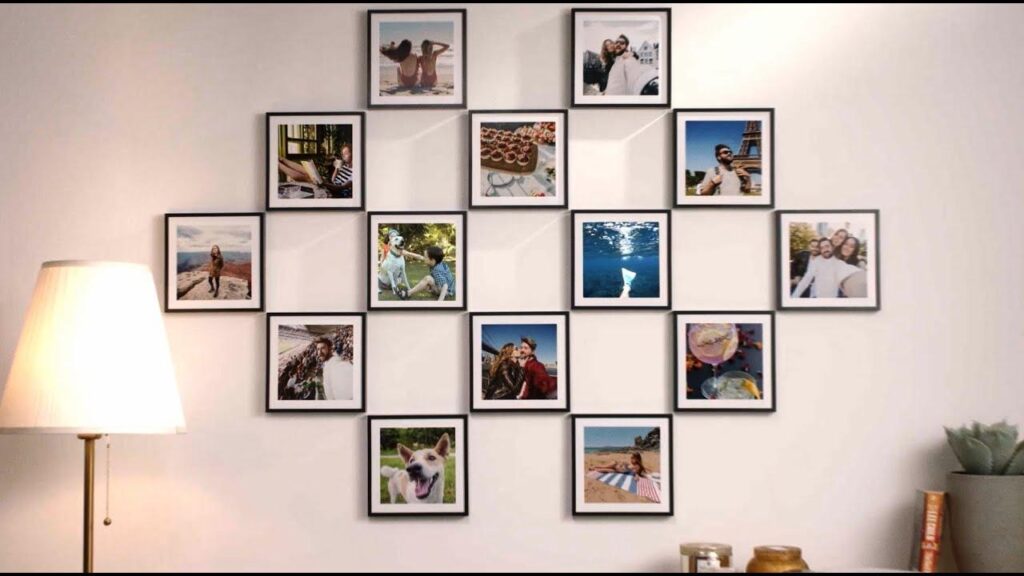
Transforming personal photographs and artwork into a professional-looking gallery wall is no longer reserved for interior designers or seasoned collectors. Modern printing technology and intuitive digital ordering tools have opened this world to virtually anyone, making it possible to curate a stunning home display that genuinely reflects your personality and taste. Building a personal gallery with canvas prints offers an affordable, highly customizable alternative to traditional art collecting—removing the barriers of cost and access that once made gallery-quality walls feel like someone else’s privilege. Online platforms and streamlined digital workflows have democratized wall art creation, delivering personalization, durability, and a polished aesthetic that fits seamlessly into contemporary interiors, all without leaving home.
Introduction
Why Canvas Prints Revolutionize Home Galleries
Canvas prints earn their place on gallery walls for good reason. Their textured, gallery-wrapped finish closely mimics museum-quality presentation without the prohibitive price tag. The canvas material itself plays a meaningful role: cotton canvases bring warmth and a natural weave that suits fine art reproduction beautifully, while polyester canvases offer a smoother surface that handles photographic detail and moisture resistance particularly well.
Printing technique determines how long your prints stay vivid and sharp. Giclée printing uses pigment-based archival inks that resist fading and water damage, preserving fine detail for well over a century under the right conditions. Dye sublimation transfers color through heat, producing vibrant, water-resistant results ideally suited to high-resolution photography on polyester. UV printing cures ink instantly under ultraviolet light, yielding scratch-proof prints that hold up under heavy use. Digital printing rounds out the options, offering flexible sizing and cost efficiency for mixed-media or custom projects.
Did you know? Giclée inks are archival-grade, resisting fading and water damage for 100+ years under proper conditions.
Key takeaway: Match your technique to your image type—giclée for detailed fine art, UV for bold, high-impact photography—and you’ll be rewarded with prints that look just as good decades from now.
Step-by-Step Guide to Curating Your Gallery Wall
Selecting and Preparing Your Images
Sharp prints start with high-resolution source files—aim for at least 300 DPI at your intended print size. For older or lower-resolution images, AI upscaling tools can recover usable detail before you submit anything. When choosing which images to include, a unifying theme goes a long way toward a cohesive result: think monochromatic color schemes, complementary palettes, or a sequence of personal milestones. A family arranging vacation photographs in a grid layout is a great example—each individual print contributes to a larger story while standing on its own.
Understanding Canvas Printing Techniques for Quality Results
Technique
Best For
Durability Features
Ideal Image Type
Giclée
Fine art reproduction
Archival inks, fade-resistant
Detailed artwork
Dye Sublimation
Vibrant photos
Heat-transferred, water-resistant
High-res landscapes
UV Printing
Indoor/outdoor durability
Instant curing, scratch-proof
Bold colors
Digital
Small runs, custom sizes
Flexible, cost-effective
Mixed media
Pairing technique to canvas material is equally important—dye sublimation, for instance, performs best on polyester surfaces. Many platforms make it easy to purchase canvas prints online using these techniques, letting users upload images directly and receive professionally gallery-wrapped results at the door.
Designing Your Layout
Hang pieces so their visual center sits 57 to 60 inches from the floor—the eye-level benchmark used in professional galleries worldwide. Odd-numbered groupings, such as a three-to-five piece asymmetrical arrangement above a sofa, tend to create natural balance and visual flow. Steer clear of direct sunlight, which accelerates fading even on archival prints; instead, use directed LED spotlights to draw out texture and depth.
Displaying and Maintaining Your Canvas Gallery
Hanging Techniques for Professional Impact
Leave two to three inches of space between prints so each piece has room to breathe visually. D-ring or sawtooth hangers provide stable, level support for heavier gallery-wrap frames. For a more relaxed look, lean larger canvases against walls or display them on floating shelves—this also makes rearranging easy when the mood strikes. Rotating pieces seasonally prevents uneven light exposure and keeps the overall composition feeling fresh.
Long-Term Care for Lasting Beauty
Dust surfaces regularly with a dry microfiber cloth and avoid water or chemical-based cleaners, which can break down inks and weaken the canvas weave over time. Keeping indoor environments between 60–75°F at roughly 50% humidity helps prevent warping. For added protection, apply a UV-resistant varnish and use canvas wedges to re-tension any frames that loosen with age. With consistent care, canvas prints can retain their vibrancy and structural integrity for ten years or more, even in moderately humid climates.
Bringing It All Together
Curating a personal gallery is ultimately an act of creative expression—one guided by informed choices at every stage, from image preparation and printing technique to layout design and long-term care. Starting with a single statement piece and expanding gradually lets you develop your aesthetic instincts at a comfortable pace. Canvas prints blend artistry with accessibility, giving anyone the tools to turn blank walls into meaningful visual narratives without needing expert skills. Gather your favorite images, sketch a rough layout, and take that first step toward a home gallery that tells your own story.