
Cold weather tends to reveal the latent flaws of a heating system. You might experience unusual sounds or unexpected malfunctions at a time when the system is required the most. The issues compromise comfort, increase energy costs, and create uncertainty about reliability.
Minor performance problems may, over time, become large system failures that require emergency repairs. Most homeowners believe that these failures are brought about by old equipment, but the actual cause is usually ignored.
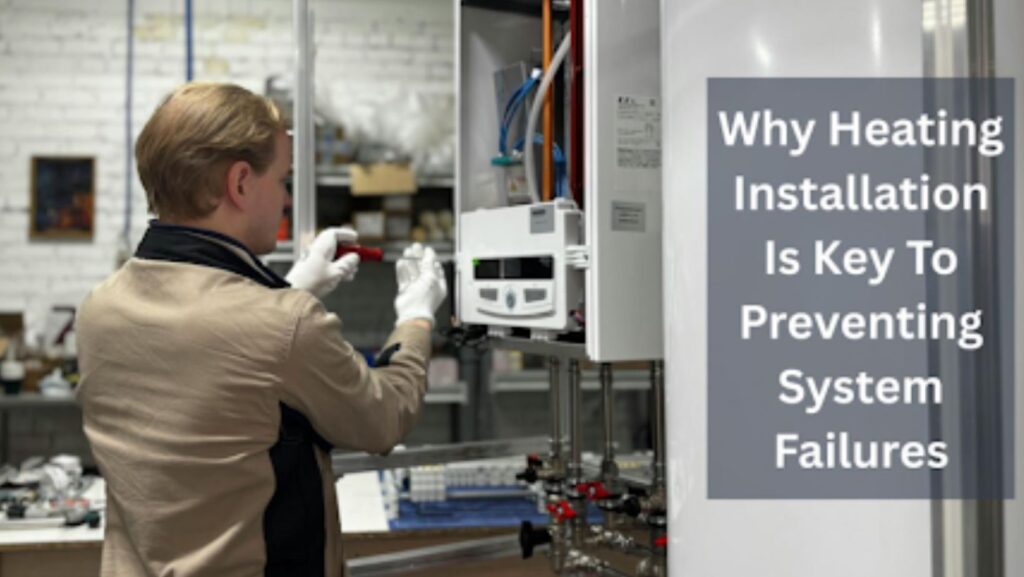
Long-term heating performance is not only based on the system, but on its installation. A properly installed heating system provides steady warmth and reliable performance throughout the season. All the components perform their functions without any unnecessary stress and wastage.
With the proper installation, the chances of breakdowns are reduced considerably.
This article discusses the reasons why it is necessary to have professional installation of heating systems to avoid system breakdowns and ensure comfortable indoor living.
1. Mechanical Strain is Avoided by Proper Heating Installation

Heating installation is directly related to the efficient working of your system on a daily basis. With the installation of a system with proper sizing, airflow, and proper electrical and gas connections, the internal components work in normal conditions.
This balance inhibits over-cycling, overheating, and the accumulation of pressure that may cause damage to motors, heat exchangers, and control boards.
In comparison, bad installation compels the system to tolerate setup errors. In the long run, such additional strain leads to damaged components and unplanned failures. Correct installation eases the strain at the beginning so that the system can work in a stable manner without overworking the parts.
2. Proper System Sizing Removes Performance Failures
One of the most important things about heating installation is system sizing. An oversized unit will switch on and off too often, leading to damage to ignition systems and internal controls.
A small system will operate continuously, and it will not have the capacity to satisfy heating needs. Professional installation makes the system suitable for the space it is installed in. The load calculation takes into account the insulation, layout, and use patterns.
This makes the system heat effectively and without overworking. The right sizing leads to a direct decrease in operational stress that contributes to failures due to constant overloading or high cycling.
3. Proper Airflow Configuration Safeguards Parts of the System

One of the major causes of heating system breakdown is airflow problems. Duct connections, vents, and returns should also be properly set up during installation to allow the free flow of air.
In case of limited airflow, heat can accumulate in the system, causing safety valves or internal components to become damaged. Correct airflow installation enables equal dispersion of heat and safe working temperatures.
This balance safeguards delicate parts and provides a stable performance. By ensuring airflow is considered during installation, the system eliminates several common problems that lead to frequent service calls.
4. Installation Accuracy Enhances Energy Efficiency
Installation quality is closely related to energy efficiency. Even systems that are very efficient become ineffective when they are not installed properly. Leaks in the connection, improper location of the thermostats, or improper calibration compel the system to operate longer than it needs to.
Proper installation will mean that the system reacts accurately to temperature requirements. It steps to set points more quickly and holds them with minimal effort.
The operation is efficient, which conserves energy and minimizes wear. This efficiency is useful in the long run to avoid failures due to overheating, overuse, or fatigue of components.
5. Safety Measures Reduce Emergency Shutdowns

Heating systems rely on safety controls to protect occupants and equipment. During installation, safety mechanisms such as pressure switches, limit controls, and venting systems must be set up correctly.
Errors in these areas often cause frequent shutdowns or complete system failure. Proper installation ensures safe combustion, reliable ventilation, and secure electrical connections.
When safety systems operate as intended, the heating unit runs without interruptions. This reduces emergency shutdowns and prevents damage that could result from improper operation or hazardous conditions.
6. Professional Installation Extends Equipment Lifespan
The lifespan of a heating system depends heavily on how it begins operating. Installation mistakes often shorten system life by years. Misaligned components, incorrect settings, and loose connections accelerate wear from the first day of use.
Professional installation creates a stable operating environment for the system. Components experience consistent loads instead of constant fluctuations. As a result, parts last longer, breakdowns occur less frequently, and the system delivers reliable service throughout its expected lifespan.
7. A Strong Installation Simplifies Maintenance and Repairs

Future maintenance is more effective when installation is done correctly. Properly installed systems provide clear access to components and predictable performance patterns. Technicians can identify issues early and resolve them before they escalate.
When installation errors exist, maintenance becomes reactive rather than preventative. Problems repeat, repairs increase, and failures become more likely. A solid installation foundation supports long-term system health and simplifies ongoing care.
Final Thoughts
Heating installation determines how reliably a system performs over time. When installation is done correctly, the system operates efficiently, safely, and consistently. Proper sizing, airflow setup, safety configuration, and calibration work together to prevent unnecessary strain on components.
These factors reduce breakdowns, lower energy use, and extend equipment lifespan. In contrast, poor installation creates ongoing stress that leads to frequent failures and unexpected costs.
By prioritizing professional installation, you establish a dependable foundation that protects your heating system from preventable problems. Reliable comfort does not happen by chance. It begins with careful planning and precise installation that supports long-term performance and system stability.