
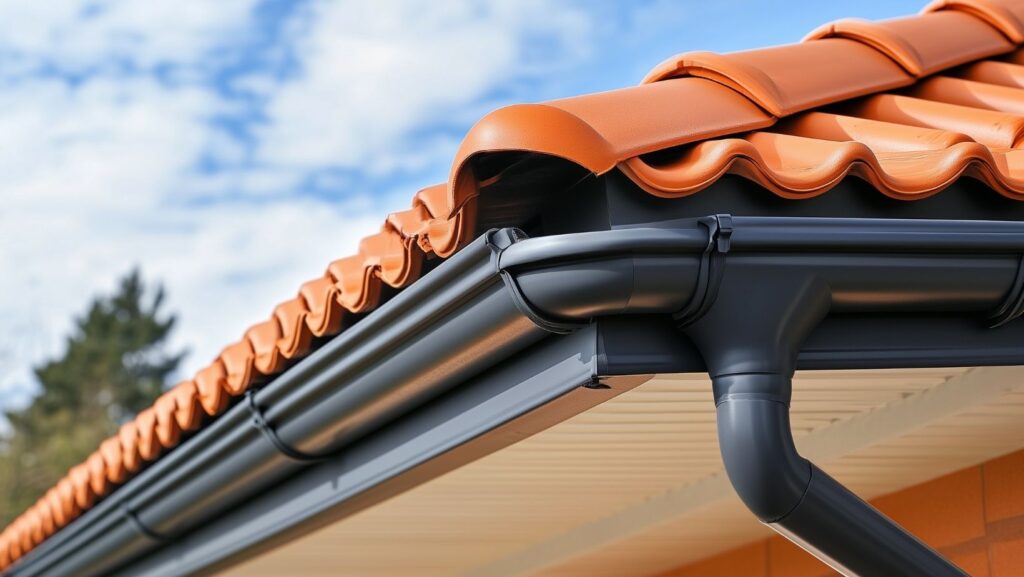
Gutters are designed to channel rainwater away from your home, protecting the roof, siding, and foundation from water damage. However, the type of roof you have can impact not only the effectiveness of your gutter system but how long it will last. Certain roof types can significantly affect how quickly gutters deteriorate or fail, and understanding why this happens can help homeowners plan for better maintenance to avoid costly repairs.
Steep Roofs Increase Water Velocity
Steeply sloped roofs tend to send water into gutters at a much higher speed. The sharper the slope, the faster water travels down a roof during a storm. While gutters are designed to handle large amounts of water, extremely fast runoff can overwhelm your system, causing splashing, overflow, or additional strain on the brackets holding the gutters in place. Eventually, this repeated pressure may loosen fasteners, precipitate sagging, or lead to sections of the gutter pulling away from the house.
Large Roofs Produce More Runoff
Another factor that affects the lifespan of your gutters is the overall size of the roof. Larger roofs naturally collect more rainwater, which means gutter systems must manage a greater volume during a storm. If gutters aren’t properly sized for the roof area, they can get overloaded, resulting in water spilling over the sides and running down exterior walls.
If this happens repeatedly, it can cause damage to siding, fascia, and landscaping. Over time, excessive water volume can also accelerate wear on gutter seams, joints, and downspouts, leading to leaks or system failure.
Roof Materials Can Impact Gutter Performance
The material used on a roof can also influence how gutters perform.
- Asphalt Shingles: The rough texture of asphalt shingles can slow rainwater down a bit, but they can shed granules that wash into gutters during rainstorms and gradually build up inside gutters. This buildup restricts water flow and increases the risk of clogs, which can cause water to overflow and adds weight to the gutters.
- Metal: Metal roofs, on the other hand, allow water to flow quickly and smoothly into gutters. However, this can increase the speed of runoff, which can put additional pressure on gutter systems.
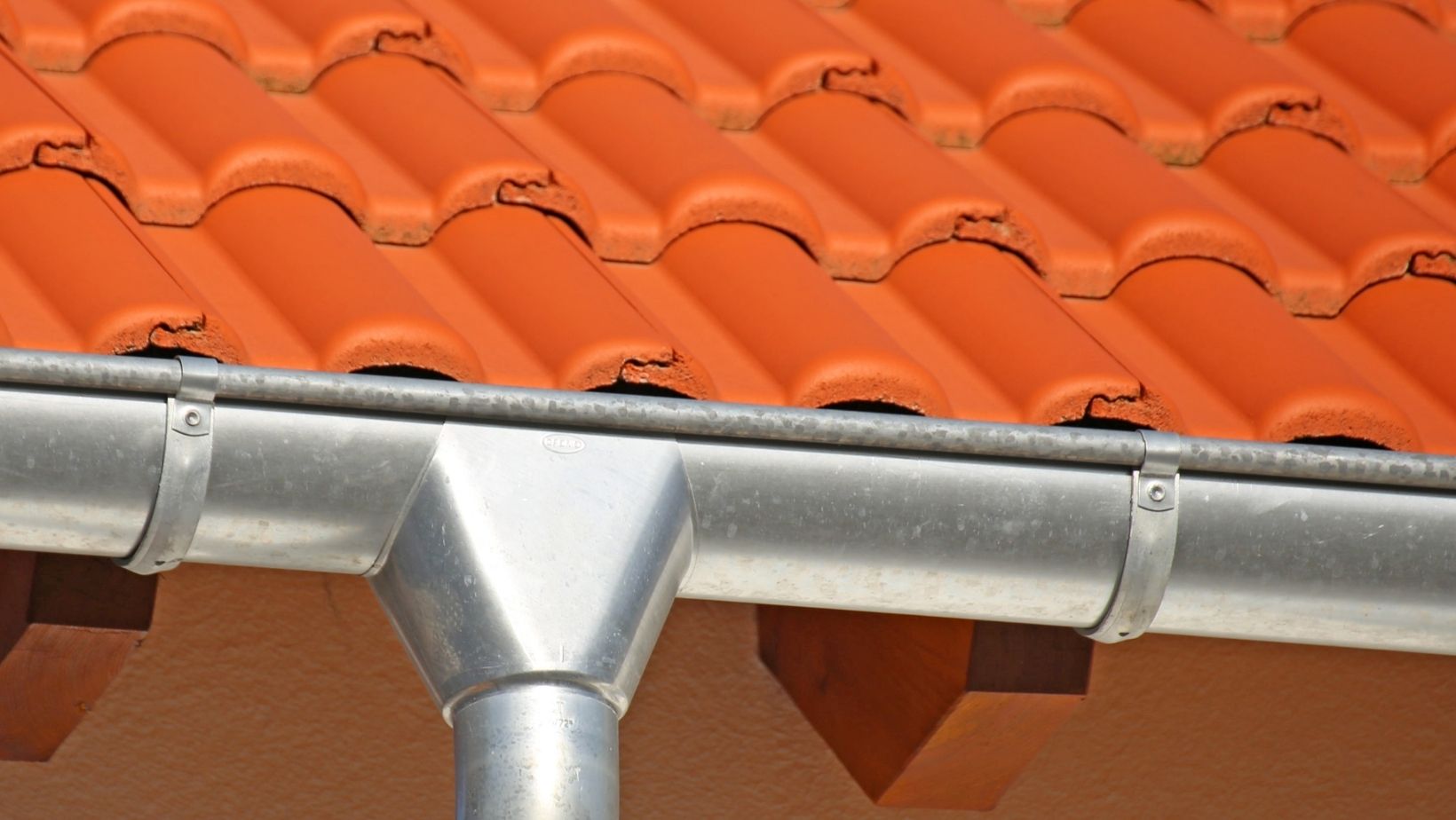
- Tile or Slate: Roofs made of tile or slate have their own considerations. Because the individual tiles or slate are curved, their water flow pattern is more complex. Additionally, these kinds of roofs usually have a significant overhang that, if not taken into account when installing gutters, can cause water to miss them completely.
Preventing Premature Gutter Failure
While certain roof types naturally place more strain on gutters, there are measures homeowners can take to protect their systems and increase their longevity. Professional assessments and installation can be beneficial to preventing compatibility issues from the beginning, since gutters need to be properly sized and placed for the type of roof. Roofs with a steep pitch, large area, or made of metal benefit from larger gutters, while gutter placement can make a major difference in the performance of metal, tile, and slate roofs.
Furthermore, reinforcing brackets in high-flow areas and performing regular cleanings can extend the life of a gutter system. Routine inspections are also essential for catching small issues before they turn into bigger problems. Homeowners who understand why gutters fail faster on certain roof types can take steps to ensure their gutters remain strong enough to withstand the test of time and the elements.