
How Cosmetic Products Affect the Skin
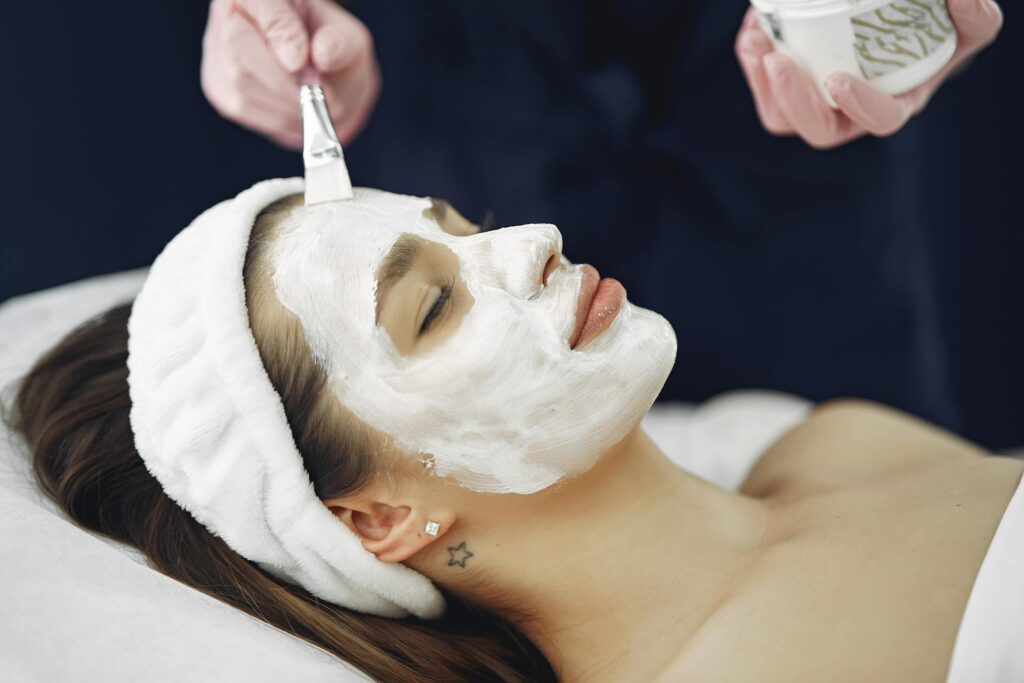
Cosmetic products are designed to address multiple concerns, including fine lines, uneven texture, and reduced hydration. Certain products focus on stimulating collagen or providing hydration while others work on surface-level smoothing. The mechanism of each product depends on its active ingredients. Hyaluronic acid attracts water to the skin to restore plumpness. Retinoids influence cell turnover to reduce fine lines. Peptides and antioxidants support the skin’s natural repair processes. Using the right combination of products allows for targeted results while maintaining the skin’s natural functions.
Choosing products requires consideration of skin type, age, and specific concerns. A product suited for one person may cause irritation or limited results in another. Professionals often recommend layering products based on their function: lighter, water-based formulas first followed by heavier creams or serums. Proper application ensures absorption and maximizes benefits.
Areas Where Cosmetic Products Provide Noticeable Results
Wrinkles around the eyes, fine lines on the forehead, and early signs of aging around the mouth respond well to targeted cosmetic products. Areas with thinning skin, such as the under-eyes, can benefit from hydrating and collagen-supporting ingredients. Changes in skin tone, sun damage, and dullness often require products with antioxidants or gentle exfoliating acids. Products that restore hydration can improve skin texture and reduce the appearance of lines caused by dryness.
Professionals often recommend observing how the skin reacts over several weeks. Subtle improvements in elasticity, tone, and texture indicate that the product is compatible with the skin. Adjustments can be made to the routine if irritation occurs or if the desired effects are not observed.
Types of Popular Cosmetic Products
Hydrating serums with hyaluronic acid increase water retention and smooth the surface of the skin. Retinoid creams stimulate cell turnover and improve skin thickness over time. Peptide-based products support structural proteins in the skin, improving firmness and resilience. Antioxidants such as vitamin C reduce oxidative stress and protect against environmental damage. Exfoliating acids like glycolic or lactic acid remove dead skin cells, improve texture, and allow other products to penetrate more effectively.
The combination of products must be carefully considered. Overuse of active ingredients can cause irritation, while underuse may limit effectiveness. Professionals often advise introducing one active ingredient at a time and monitoring skin response. Consistency over weeks and months is key for lasting results.
Specialized Cosmetic Products
Certain cosmetic products are formulated to target specific areas with precision. Skin rejuvenation products focus on hydration, fine lines, and surface smoothness. Their formulations allow for controlled results in delicate areas such as around the eyes or lips. These products are designed to integrate well with the skin, reducing the risk of irritation while providing noticeable improvements in texture and hydration. Selecting the appropriate product for sensitive areas ensures safety and effectiveness.
Professional Guidance and Product Selection
Licensed professionals evaluate skin type, age, and specific concerns before recommending products. History of previous cosmetic use and any known sensitivities are considered to reduce the risk of adverse reactions. Professionals also provide guidance on the sequence of application and combination of products. Using professional guidance ensures that active ingredients interact effectively and do not cause irritation or diminished results.
Assessing skin structure and hydration levels allows professionals to target products where they will be most effective. Adjustments to routines are recommended over time to respond to changes in skin quality or external factors such as climate.
Routine and Application Techniques
Daily routines often include cleansing, application of active serums, and protective creams or sunscreens. Products must be applied consistently and in proper sequence to maintain results. Overloading the skin with multiple active ingredients at the same time can lead to redness or irritation. A staggered approach allows the skin to adapt while achieving noticeable improvement.
The timing of application is also important. Hydrating and antioxidant products are generally used in the morning to provide protection throughout the day. Retinoids and exfoliating acids are applied at night when the skin undergoes natural repair processes. Observing how the skin responds to these products informs adjustments to the routine.
Recovery and Long-Term Management
Skin may react with mild redness or sensitivity when active products are introduced. Short recovery periods are common, and adjusting frequency can reduce discomfort. Consistent monitoring ensures that the products support healthy skin without causing unwanted side effects. Regular evaluation allows adaptation to changes in skin hydration, texture, or elasticity.
Long-term use of cosmetic products supports structural proteins and hydration, which helps maintain smooth skin over time. Incorporating products that support collagen production and cell turnover improves resilience and reduces visible signs of aging. Patience and consistency are essential for observing these benefits, as changes occur gradually.
Safety Considerations
Even over-the-counter cosmetic products can cause irritation, especially when multiple actives are combined. Patch testing new products on a small area reduces risk. People with sensitive skin, allergies, or specific dermatological conditions should consult a professional before introducing new products. Professionals also monitor for interactions with other treatments or medications, ensuring safe and predictable outcomes.
Products cannot correct significant structural changes in the skin, such as deep folds or major volume loss. These conditions may require more intensive treatments or combination approaches that include medical procedures. Maintaining realistic expectations ensures satisfaction with the results of cosmetic routines.
Combining Cosmetic Products with Lifestyle Practices
Sun exposure, diet, hydration, and stress management influence skin quality and the effectiveness of cosmetic products. Adequate hydration supports elasticity while antioxidants in the diet reduce oxidative stress. Avoiding excessive sun exposure prevents photoaging and protects active ingredients from degradation. Stress management indirectly supports skin repair by minimizing inflammatory responses.
Regular professional consultations allow routines to adapt as the skin changes. Seasonal changes, aging, and environmental factors require adjustments to product type or frequency. Observing these changes ensures the products continue to provide benefits safely.
Tracking Progress
Recording changes in skin texture, hydration, and appearance over time helps in assessing the effectiveness of products. Photos and professional assessments allow adjustments to routines, concentrations, or product combinations. Monitoring also supports prevention of overuse or irritation while ensuring continued improvement in key areas such as fine lines and surface smoothness.
Structured tracking allows practitioners and individuals to make informed decisions and maintain consistent results over months and years. This ongoing management ensures cosmetic products contribute effectively to skin health and appearance.
Integrating Treatments
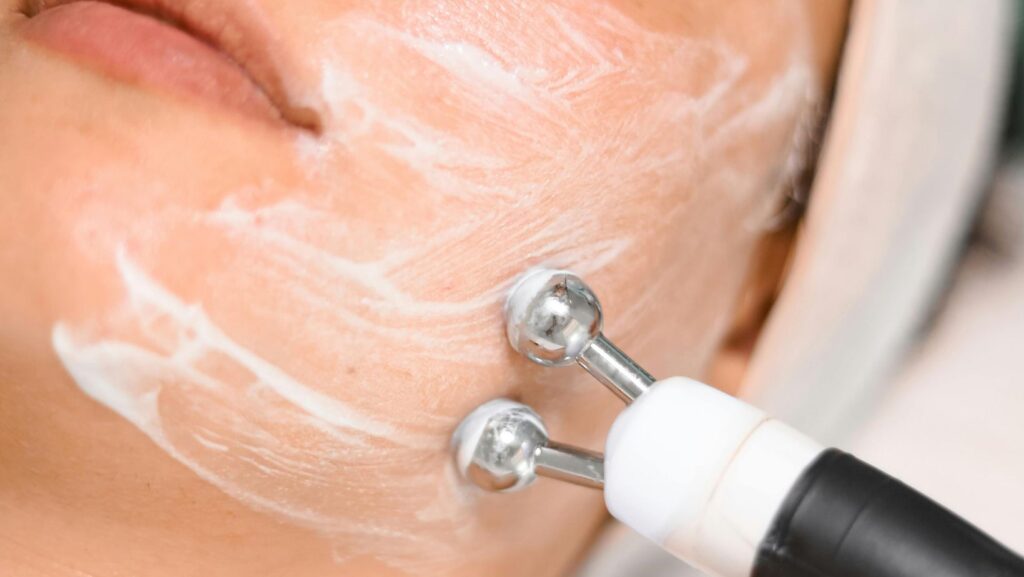
Cosmetic products can be combined with non-invasive procedures like chemical peels, microneedling, or laser treatments. Coordinating these treatments supports overall skin quality while allowing each product to function efficiently. Professionals adjust routines to ensure that the benefits of one treatment do not interfere with another.
This coordinated approach maintains balance in skin tone, hydration, and texture while addressing multiple concerns simultaneously. Planned routines prevent overloading the skin and maintain natural appearance and elasticity.
Popular cosmetic products offer measurable improvements in skin hydration, fine lines, and texture when used correctly. Selecting products based on active ingredients, skin type, and specific concerns maximizes benefits while minimizing risk. Professional guidance, consistent routines, and monitoring ensure predictable outcomes. Supporting the skin through proper lifestyle practices complements cosmetic routines and sustains long-term results.