
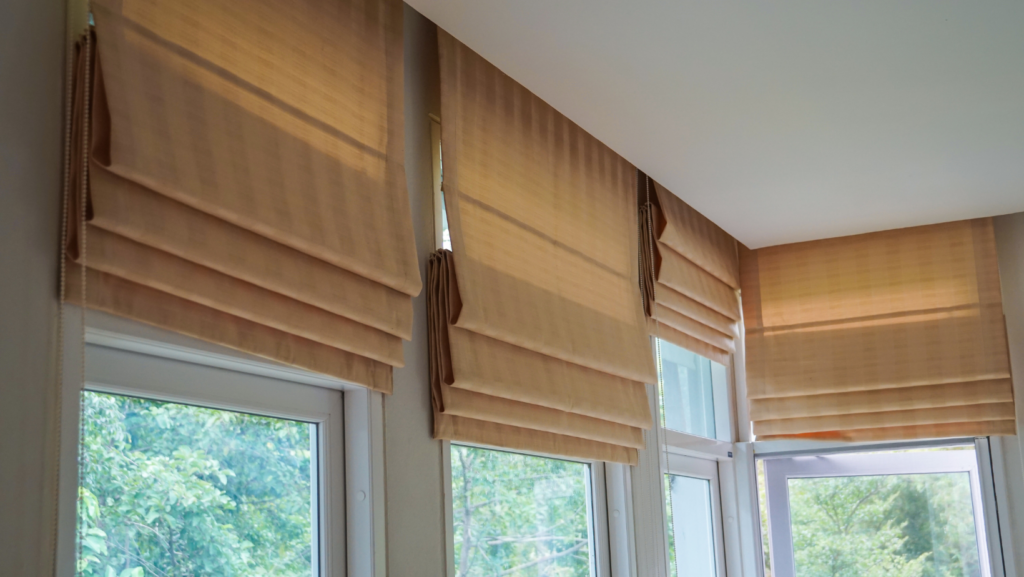
A cosy home isn’t created by one big decision. It’s the result of many small details working together—light, temperature, privacy, and a sense of calm. Yet one of the most common challenges homeowners face is that, despite warm colours and soft furnishings, rooms still feel exposed, cold, or unsettled. Windows are often the reason. They connect us to the outside world, but without the right solution, they can also let in glare, noise, and discomfort. This is where window shades quietly change how a home feels, not just how it looks.
How Windows Influence Comfort More Than You Think
Windows shape the atmosphere of a space every single day. Too much light can feel harsh, while uncontrolled views can reduce privacy and make a room feel less secure. Temperature fluctuations near glass also disrupt comfort, especially in homes with large openings.
This is why exterior window shades play such a crucial role. Positioned outside the glass, they manage sunlight before it enters the home, helping stabilise indoor conditions. Instead of reacting to discomfort once it’s inside, exterior shading prevents it at the source, creating a calmer, more balanced environment from morning to night.
Cosiness Is About Control, Not Darkness
A common misconception is that cosy spaces are darker spaces.
The window treatments both block harsh sunlight and minimise visual distractions, which creates protected outdoor spaces for indoor areas. People create more meaningful environments through their ability to shape their environment, which leads to emotional comfort in their personal spaces.
Temperature Stability Creates Emotional Comfort
Physical comfort and emotional comfort are closely linked. Drafts, overheating, or cold spots near windows subtly affect how relaxed we feel in a room. Exterior shading helps regulate indoor temperatures by limiting solar gain in warmer months and reducing heat loss when conditions cool.
When rooms maintain a more consistent temperature, they feel easier to live in. There’s less need to adjust heating, draw curtains, or avoid certain areas of the home—key ingredients in a space that genuinely feels cosy.
True cosiness isn’t about adding more—it’s about removing friction. When light, temperature, and privacy are handled effortlessly, everything else in the home feels more harmonious. Window shades may not be the most visible feature in a room, but they quietly shape how it feels to live there. And once comfort becomes consistent rather than conditional, cosiness stops being a mood and starts being a daily experience.