
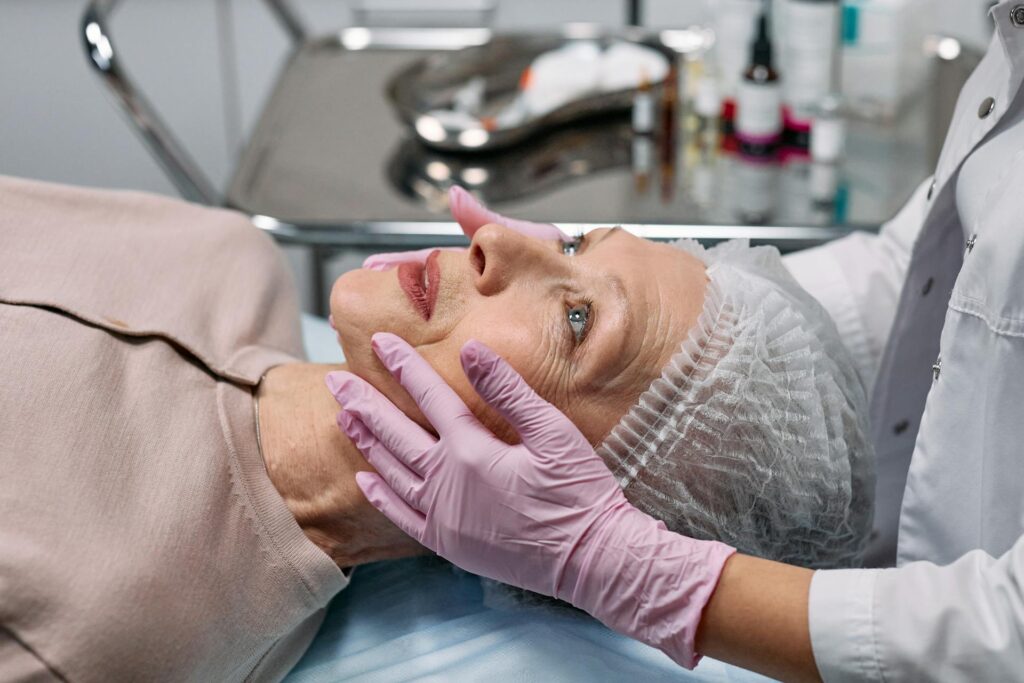
The Shift Toward Precision-Based Cosmetic Care
Modern cosmetic treatments rely heavily on precision. Procedures that once depended on surgical intervention now focus on controlled, targeted improvements using specialized tools and clinically tested products. This shift occurred as patient demand moved toward treatments that offer visible results with shorter recovery times. As techniques improved, manufacturers responded by developing tools that allow practitioners to work with greater accuracy and predictability. The result is a treatment environment built around control, consistency, and safety rather than aggressive intervention.
Precision also changed how practitioners approach treatment planning. Instead of addressing the face as a single unit, providers now assess individual zones, tissue depth, muscle activity, and skin quality. Each tool used during treatment serves a specific function within this layered approach. This method reduces unnecessary product use and supports outcomes that align with natural facial structure.
Core Categories of Cosmetic Treatment Tools
Cosmetic tools fall into several functional categories, each designed to address a different aspect of facial aging or skin quality. Injection devices remain central, especially fine-gauge needles and cannulas. These tools allow precise placement of products while minimizing tissue trauma. Cannulas in particular reduce the risk of bruising and vascular injury when working in sensitive areas.
Energy-based devices represent another category. These include radiofrequency, ultrasound, and laser platforms used to improve skin firmness and texture. Each device operates at specific depths, allowing practitioners to target collagen-rich layers without damaging surface skin. Supporting tools such as diagnostic lighting, facial mapping systems, and skin analysis software further guide treatment decisions. Together, these tools create a workflow that prioritizes accuracy at every stage.
Injectable Delivery Systems and Their Role
Injectable treatments depend as much on delivery systems as on the products themselves. Needle length, gauge, and flexibility affect how a product disperses within tissue. Shorter needles provide surface-level accuracy, while longer options allow access to deeper planes. Cannulas offer controlled movement under the skin, which is especially useful in areas with higher vascular density.
These delivery systems support predictable placement, which directly impacts safety and outcome consistency. Proper selection reduces swelling, limits downtime, and supports even product distribution. This precision becomes essential as treatments move toward subtle corrections rather than dramatic change.
Composition and Function of Injectable Products
Injectable products vary based on composition and intended use. Hyaluronic acid fillers remain widely used due to their compatibility with human tissue and ability to retain moisture. Their density determines placement depth, with lighter formulas used for fine lines and thicker gels supporting structural volume. Calcium hydroxylapatite and poly-L-lactic acid serve a different function by stimulating collagen production over time.
Neuromodulators focus on muscle relaxation rather than volume. These products reduce repetitive muscle movement that leads to expression lines. Their effectiveness depends on accurate dosing and placement. Each formulation responds differently based on muscle strength and individual metabolism. Product selection therefore requires a clear assessment of anatomy and treatment goals.
Aesthetic Treatment Products in Clinical Practice
The availability of reliable suppliers plays a key role in treatment outcomes. Clinics rely on verified sources that provide consistent quality and proper storage standards. Access to a wide range of aesthetic treatment products allows practitioners to select formulations that match patient needs rather than adjusting technique to limited inventory.
Product authenticity and batch traceability support safety protocols and regulatory compliance. Clinics also benefit from educational resources provided by distributors, which help practitioners stay current with product-specific techniques. This access supports informed decision-making during treatment planning and execution.
Skin Preparation and Supporting Products
Preparation products influence how well treatments perform. Cleansers remove surface debris and oils, reducing infection risk. Antiseptics prepare the skin for injections or device-based treatments. Topical numbing agents improve patient comfort and allow practitioners to work without interruption.
Post-treatment products also play a role in outcome stability. Calming serums reduce inflammation, while barrier-repair creams support healing. Sunscreen protects treated skin from UV exposure, which can interfere with collagen response and pigmentation balance. Each product contributes to treatment longevity by supporting skin recovery.
Energy-Based Devices and Their Integration
Energy-based tools support results that injectable products alone cannot achieve. Radiofrequency devices heat dermal layers, promoting collagen contraction and gradual firmness improvement. Ultrasound systems target deeper tissues, often reaching the foundational layers responsible for facial support. Laser devices address pigmentation, vascular issues, and surface texture.
Integration requires careful sequencing. Energy treatments performed before injectables prepare tissue and improve product placement. When used afterward, settings must be adjusted to avoid disrupting injected material. This coordination allows practitioners to address multiple concerns within a single treatment plan while maintaining tissue integrity.
Safety Protocols and Equipment Standards
Safety depends on both product quality and tool maintenance. Sterilization protocols protect against infection and cross-contamination. Single-use components reduce exposure risk. Calibration of energy-based devices ensures consistent output and prevents tissue damage.
Training also plays a critical role. Tools function as intended only when used correctly. Ongoing education keeps practitioners informed about updated techniques and safety guidelines. This combination of proper equipment and trained use supports predictable outcomes across patient populations.

Customization Through Tool Selection
Customization begins with tool choice. A patient with thin skin and visible vessels benefits from cannula-based injections, while another with dense tissue may require needle precision. Energy device settings vary based on skin tone, thickness, and sensitivity. Product density changes depending on structural support needs.
This customization reduces unnecessary interventions and focuses treatment where it delivers the most benefit. Over time, this approach supports facial balance and long-term satisfaction. Practitioners who adjust tools rather than forcing uniform techniques achieve more consistent results.
Long-Term Treatment Planning
Tools and products shape not only individual sessions but long-term care strategies. Treatments scheduled over months consider product longevity, collagen response, and tissue adaptation. Follow-up assessments guide adjustments and prevent overcorrection.
Lifestyle factors such as sun exposure, hydration, and skin care habits influence how products perform. Practitioners often recommend supportive home care to maintain treatment effects. This continuity between clinical tools and daily routines helps preserve results while supporting overall skin health.