
You can love your neighborhood and still be completely over your kitchen. Or your cramped hallway. Or the spare room that somehow became an office, storage closet, and dumping ground all at once. Sometimes the address still works perfectly while the house itself starts falling behind.
That's what makes moving such a frustrating answer. You might already have the yard you wanted, neighbors you actually know, and a location that makes daily life easier. Giving all of that up because the floor plan isn't working anymore can feel like fixing one problem by creating five new ones.
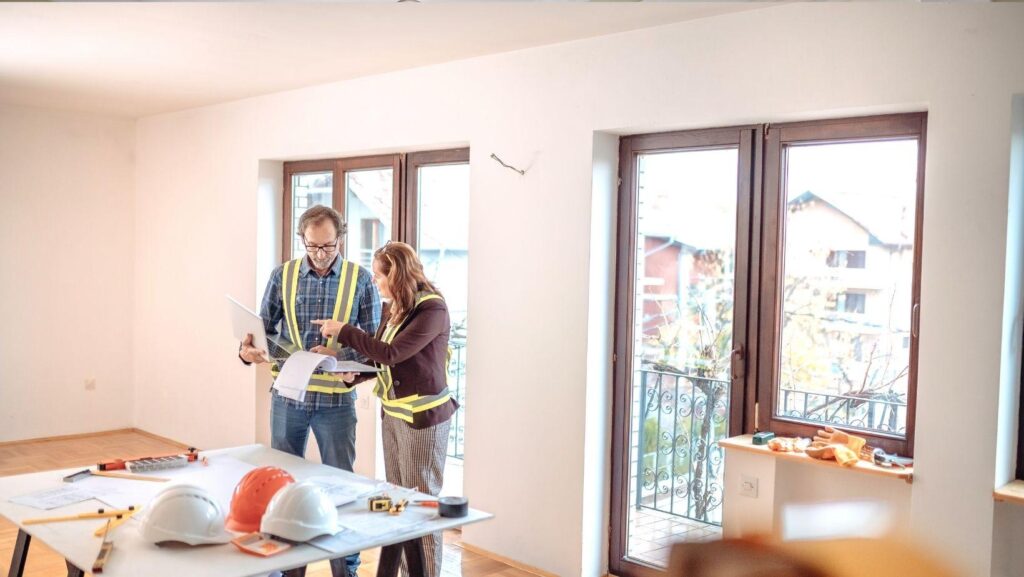
A well-planned Home Renovation Boulder CO project offers another possibility. Instead of searching for a different house, you can rethink the one you're already attached to and make it fit the life you're living now.
Before You Add Space Look at the Space You Have
When a house feels too small, adding square footage seems like the obvious answer. But sometimes the real problem isn't size. It's that too much existing space is trapped in rooms nobody uses or layouts that make everyday movement harder than it should be.
Maybe a formal dining room sits empty while the kitchen feels packed. Perhaps several small rooms would work better with stronger connections between them. Even relocating a doorway or changing how one room functions can have a surprisingly big effect.
This is where good planning earns its keep. Instead of automatically making the house larger, a renovation can ask whether the current footprint is doing enough. Reworking circulation, opening selected areas, or giving forgotten rooms new jobs can make familiar square footage feel completely different. More house isn't always the answer. Sometimes you just need your current house to stop wasting space.
Some Problems Go Deeper Than Ugly Cabinets
New finishes are fun because they're easy to see. But major renovations can tackle the stuff that has been annoying homeowners for years, including poor storage, awkward room connections, aging materials, and spaces designed for a completely different era.
Older homes can also have systems that deserve attention while walls and rooms are already being changed. Depending on the property and project, renovations may create opportunities to address electrical, plumbing, insulation, ventilation, or other behind-the-scenes components alongside visible improvements.
Then there are lifestyle problems. A household that once needed several separate rooms may now want better gathering space. Someone working from home may need an actual office instead of a laptop balanced on the kitchen table. Fixing those issues isn't cosmetic. It's about making the house less irritating on a random Wednesday morning, which is ultimately when good renovation decisions prove their value.
The New Parts Shouldn't Feel Like New Parts
A renovation can be beautifully built and still feel strange if the new spaces seem like they belong to another house. That's especially noticeable when an older home's character suddenly collides with finishes or proportions that have no relationship to what's around them.
Good transitions help avoid that pasted-on feeling. Door and window proportions, trim, flooring, materials, ceiling details, and color choices can all create visual connections between renovated areas and the parts of the home that remain.
That doesn't mean pretending everything is original. New spaces can feel fresh without copying every old detail. The trick is finding enough common language that moving from one room to another feels natural. When the architecture and finishes relate to each other, homeowners don't spend years thinking, “This is the remodeled part.” It simply becomes part of the house, which is a much better compliment.
Renovate for Future You Too
It's easy to design around whatever is frustrating right now. A stronger renovation also asks what life might look like five or ten years from now. Families change, work arrangements shift, hobbies appear, and rooms rarely keep the same purpose forever.
Flexibility can make those changes easier. An office might eventually become a bedroom or hobby room. A gathering space can accommodate teenagers today and larger family visits later. Storage that feels generous now may become even more valuable as the household evolves.
Long-term comfort matters too. Homeowners planning to stay for years may want to think about accessibility, easier circulation, and features that remain practical as they age. Nobody can predict every future need, and trying to do so would make planning impossible. The goal is simply to avoid designing the entire house around one very specific moment in time. Give future life somewhere to go.
Conclusion
There's a point when working around a house becomes more exhausting than changing it. You know which doorway causes the daily traffic jam, which room nobody uses, and exactly which cabinet makes you mutter something unpleasant every time you open it.
A major renovation is a chance to deal with those frustrations together instead of fixing them one at a time. Better flow, updated systems, useful storage, flexible rooms, and thoughtful finishes can change how the whole house works, not just how one renovated space looks.
And you get to keep the parts that were never the problem. The neighborhood stays familiar. The commute doesn't change. The favorite coffee shop is still down the road. You don't necessarily need a new address to get the experience of living in a home that fits again. Sometimes the better move is making the home you already have finally catch up.