
Why Fuel Station Architecture Matters More Than Ever
Modern fuel stations are no longer simple stops for fuel—they are engineered environments built around safety, efficiency, and customer flow. Every structural decision, from canopy placement to dispenser spacing, is part of a larger operational strategy. As facilities handle more traffic, stricter regulations, and rapid changes in vehicle technology, the architecture that supports these sites becomes a critical factor in long-term performance. This is where thoughtful planning and professional gas station construction come into play, shaping how a station operates from its first day onward.
Designing for Safe Fuel Flow and Traffic Movement
A well-designed fuel station begins with how vehicles move in and out of the property. Clear entry points, wide lanes, and strategically placed dispensers prevent congestion and reduce collision risk. Architects and engineers design circulation patterns that allow cars, trucks, and service vehicles to navigate the site without crossing dangerous zones. Proper traffic flow also supports emergency access routes when needed. With expert gas station construction guiding the layout, stations maintain smooth, predictable movement during peak hours.
Structuring Canopies and Dispenser Islands for Protection
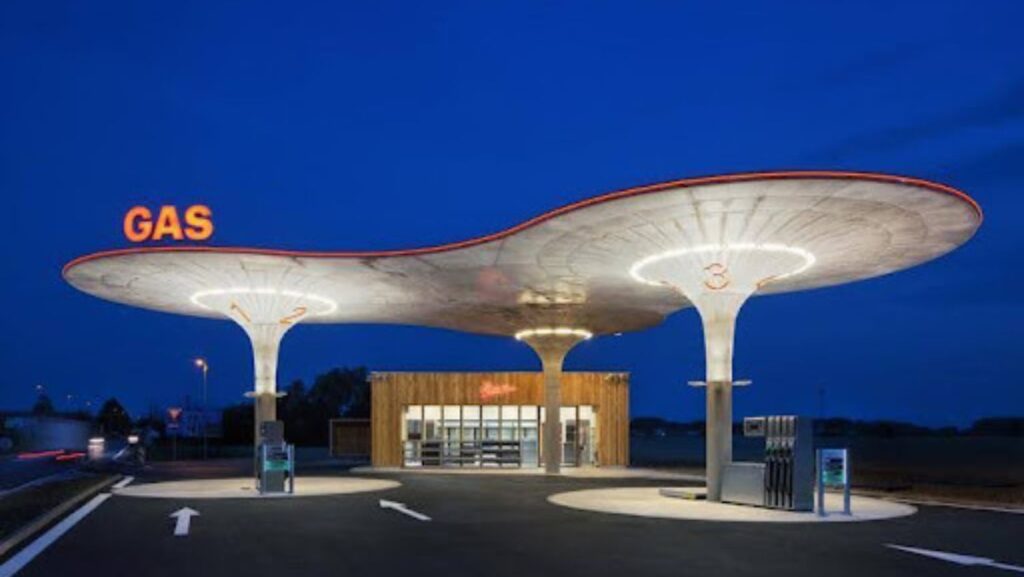
Canopies are more than visual elements—they provide fire safety, weather protection, lighting support, and clearance for trucks. Their size, height, and placement dictate how vehicles align with dispensers and how customers move around the fueling area. Dispenser islands are built with protective bollards and impact-resistant materials to shield equipment from accidental vehicle contact. This architectural planning ensures that fueling operations remain safe, accessible, and efficient throughout the day.
Integrating Modern Fuel Systems Into the Station Layout
Commercial stations must manage complex fuel systems above and below ground. Tanks, piping, leak detection, and ventilation equipment must fit into the architectural blueprint without interfering with traffic or retail space.

Designers coordinate tank placement, spill containment, and access points so maintenance crews can perform work without shutting down major parts of the operation. The integration of these systems is a core part of modern gas station construction, ensuring safety remains built into every structural element.
Enhancing Visibility and Lighting for Greater Safety
Lighting design is one of the most important architectural components of a fuel station. Bright, evenly distributed lighting increases customer safety, improves camera visibility, and enhances the overall perception of the facility. Canopy lighting reduces dark spots around dispensers, while perimeter lighting strengthens site security. High visibility also supports staff in managing the site, monitoring activity, and responding quickly to any safety concerns.
Creating Efficient Layouts for Convenience Stores and Service Areas
Most modern stations include convenience stores, food service areas, or maintenance shops. The architecture must balance functional space with clear sightlines and easy customer flow. Entrances face fueling zones for visibility, while aisles and counters are arranged to handle heavy foot traffic. Back-of-house rooms are positioned for efficient inventory management and operational control. Each architectural choice supports the broader goal of creating an environment that operates smoothly and safely.
Incorporating Environmental and Regulatory Requirements
Fuel stations must meet strict environmental regulations related to stormwater management, fuel containment, vapor recovery, and fire safety. Architectural planning integrates these features into the station layout, including drainage patterns, containment basins, and emergency shutoff access. Compliance-driven design reduces risk and ensures stations meet local and federal requirements. These considerations are built directly into the engineering process through professional gas station construction, ensuring no safety element is overlooked.
Designing for Future Technology and Evolving Customer Needs
Modern stations must accommodate electric vehicle charging, alternative fuels, digital payment systems, and evolving vehicle sizes. Architects design flexible spaces that can support new infrastructure as demand changes. Larger canopy spans, modular dispenser islands, and adaptable retail areas allow stations to upgrade without major reconstruction. Future-ready design is a core component of long-term station efficiency and operational resilience.
Prioritizing Durable Materials and Low-Maintenance Design
Fuel stations operate around the clock, so durability is essential. High-traffic surfaces, structural steel supports, impact barriers, and chemical-resistant materials reduce wear and tear. Low-maintenance landscaping and weather-resistant finishes help the site stay clean and presentable with minimal upkeep. Strong architectural choices reduce long-term operational costs while maintaining clean, safe conditions year-round.
Why Professional Expertise Defines Station Reliability
Architecture sets the foundation for how a fuel station performs every day. Skilled designers and builders understand how to balance safety, functionality, and regulatory compliance. With the guidance of expert gas station construction teams, stations achieve stronger safety performance, smoother operations, and better customer experience.
Modern fuel stations succeed because their architecture is built with intention—shaped by safety standards, operational needs, and forward-thinking strategies that keep facilities smart, efficient, and ready for the future.