
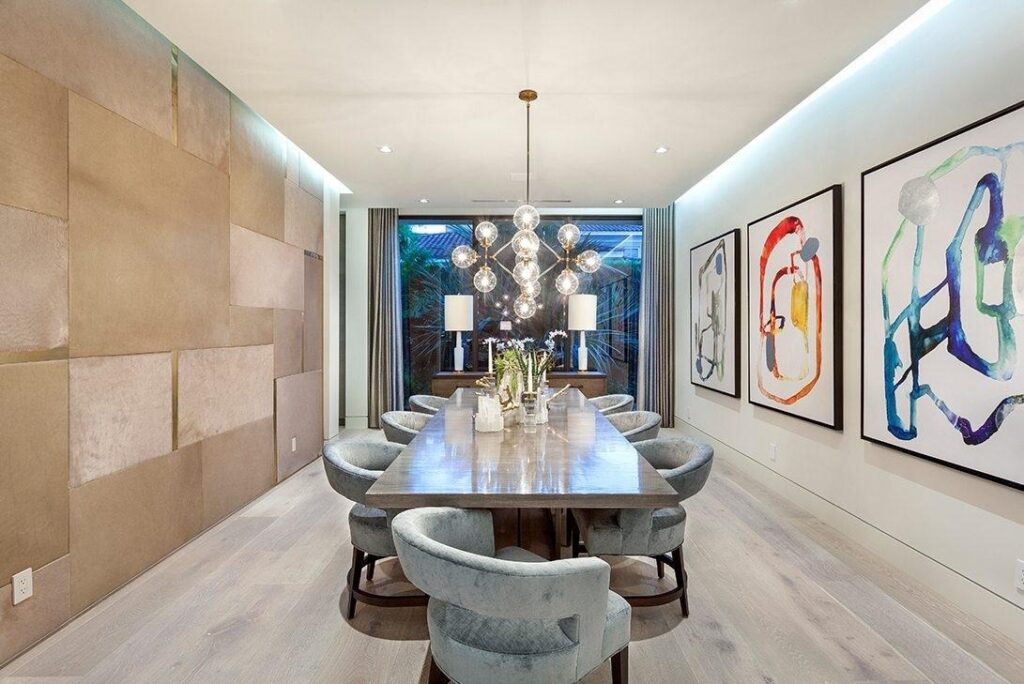
Modern home design has always been about clarity, comfort, and purposeful innovation. Clean lines, open layouts, and intentional material choices define the look. Smart home technology now shapes how those spaces function. When technology is planned as part of the design rather than added later, it enhances daily living without distracting from aesthetics.
Today’s homeowners are not looking for novelty. They want intelligent systems that quietly improve comfort, efficiency, and security while supporting the visual calm that modern design promises. A truly smart home should feel intuitive, not technical.
Technology That Complements Design
In well designed modern homes, technology stays mostly out of sight. Sensors, motors, and controls work in the background while surfaces and materials remain uninterrupted. This philosophy extends beyond lighting and thermostats to architectural elements themselves.
A good example is how access points are evolving. Doors and windows are no longer passive components. They now respond to environment, security needs, and daily routines. Thoughtfully integrated solutions such as Modern Smart Slide Patio Doors illustrate how smart functionality can be embedded into architectural features without changing the visual language of the home. When design and automation are aligned, technology becomes part of the architecture rather than an accessory.
Open Spaces Need Intelligent Control
Open concept layouts are central to modern home design. Kitchens flow into living spaces, indoor areas extend outward, and large glass surfaces connect the home to its surroundings. These layouts create beauty and flexibility, but they also demand smarter environmental control.
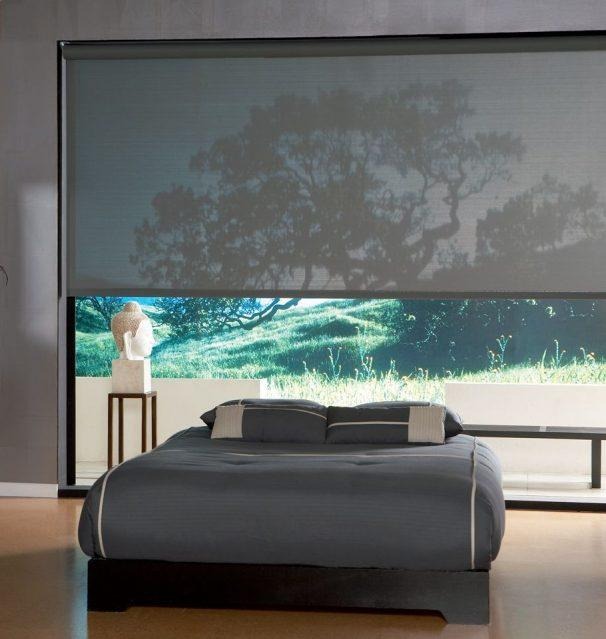
Temperature, airflow, and light must adapt to changing conditions throughout the day. Smart climate systems use occupancy data and outdoor conditions to fine tune comfort room by room. Automated shading responds to sun exposure, reducing heat gain while preserving natural light. The result is a home that feels balanced at all times without manual adjustments.
Recent building efficiency studies show that connected climate and shading systems can significantly reduce energy use compared to conventional controls, supporting both comfort and sustainability goals.
Lighting as an Architectural Tool
Lighting is one of the most powerful elements in modern interiors. Smart lighting elevates this further by allowing light to respond dynamically to time, activity, and mood. Instead of relying on a single switch, homeowners can layer light precisely.
Smart systems adjust color temperature throughout the day, supporting natural circadian rhythms. In the morning, cooler light encourages focus. In the evening, warmer tones promote relaxation. This transition happens gradually and often unnoticed, which aligns perfectly with modern design principles that favor subtlety over drama.
Lighting scenes can also reinforce architectural features. Cove lighting, wall washes, and integrated fixtures become more effective when their output adapts intelligently rather than remaining static.
Seamless Indoor and Outdoor Living
Modern homes often blur the line between inside and outside. Large openings, patios, and terraces extend living spaces and invite nature in. Smart home design supports this connection by ensuring transitions are smooth and secure.
Automated doors and windows can respond to weather conditions, closing when rain or high winds are detected. Integration with security systems ensures openings are monitored without adding visible hardware. For homeowners who value simplicity, these features reduce daily friction while maintaining peace of mind.
As smart access solutions become more refined, they support the architectural goal of openness without compromising control.
Security Without Visual Clutter
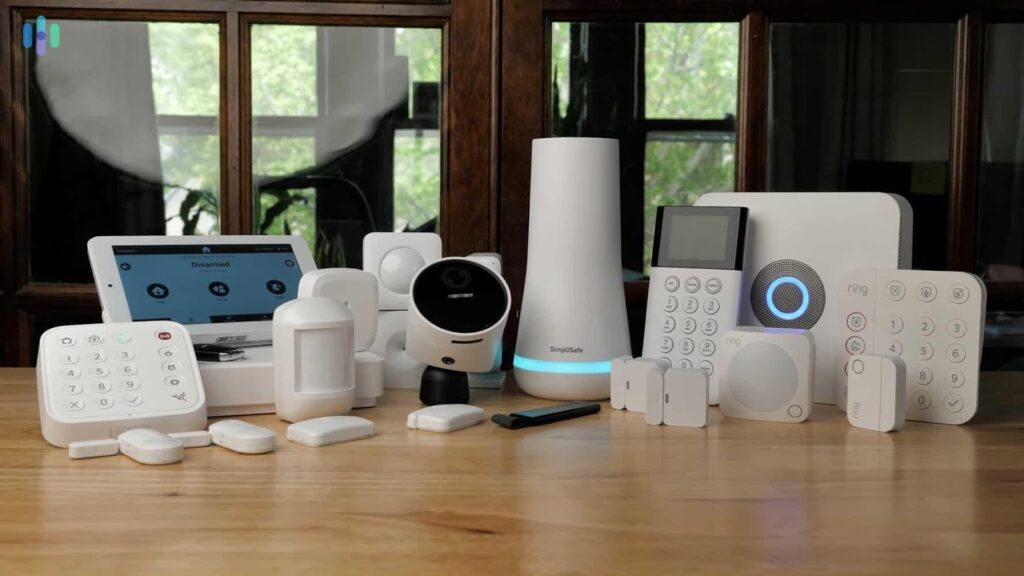
Security is essential, but modern design demands discretion. Bulky hardware, exposed wiring, and intrusive cameras disrupt clean interiors. Smart security systems are increasingly designed to blend in.
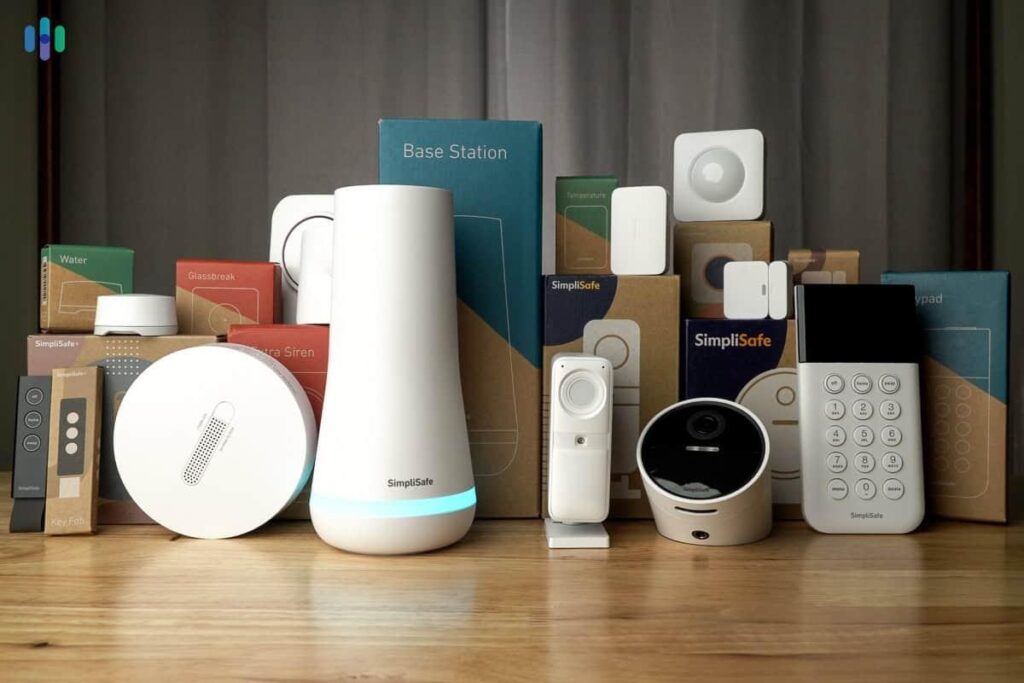
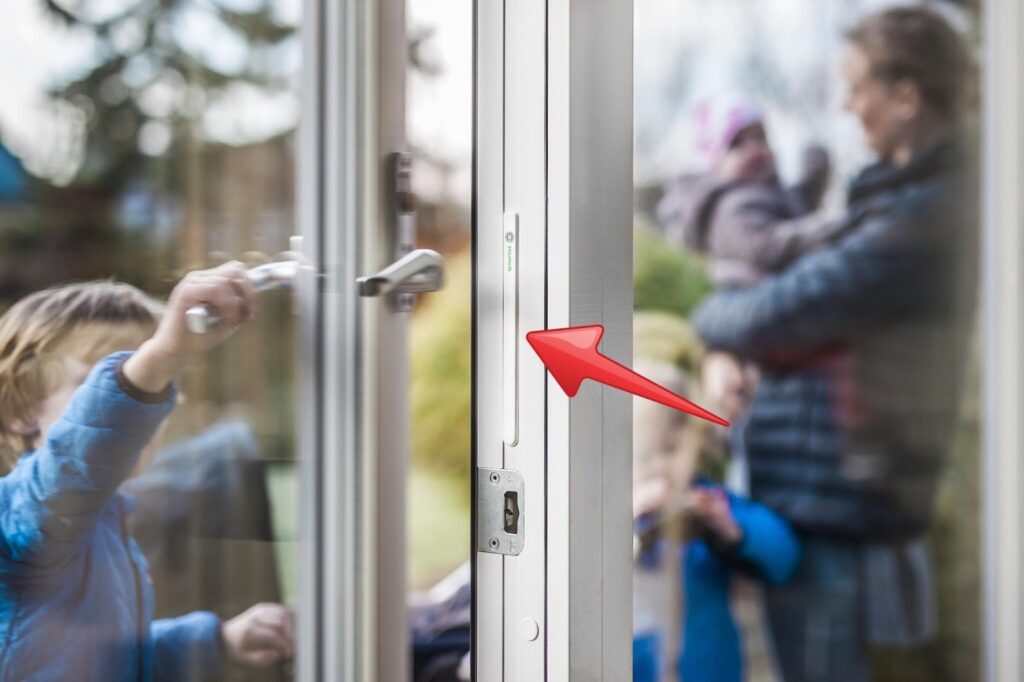
Flush mounted sensors, concealed locks, and integrated monitoring allow homeowners to protect their spaces while preserving minimal aesthetics. Notifications and controls live on personal devices rather than wall mounted panels, keeping surfaces uncluttered.
This approach aligns with how modern homeowners think about safety. They want awareness and control, not constant visual reminders.
Materials Meet Intelligence
Modern home design places a strong emphasis on material quality. Glass, steel, wood, and concrete are chosen for their texture and performance. Smart technology now enhances how these materials behave.
Electrochromic glass can adjust transparency to manage glare and privacy. Intelligent ventilation systems work with natural materials to regulate humidity and air quality. Even flooring systems can communicate with climate controls to maintain comfort underfoot.
These innovations reinforce the idea that smart homes are not about gadgets. They are about how materials and systems work together to create better living environments.
Sustainability as a Design Principle
Sustainability is no longer an optional feature in modern homes. Smart technology plays a key role in reducing waste and improving efficiency without requiring lifestyle compromises.
Connected systems optimize energy use by learning patterns and eliminating unnecessary consumption. Real time feedback helps homeowners understand how design choices impact performance. Studies continue to show that smart managed homes use less energy overall compared to traditional setups, contributing to lower operating costs and reduced environmental impact.
In modern design, sustainability is not a visual statement. It is built into how the home functions every day.
Planning Smart From the Start
The most successful smart homes are planned early. When technology is considered during the design phase, integration becomes seamless. Wiring paths are hidden, components are sized appropriately, and systems communicate effectively.
Retrofitting can still deliver benefits, but it often requires compromises. For homeowners building or renovating with modern design goals, early planning ensures that smart features support the architecture rather than compete with it.
Working with professionals who understand both design and technology is essential. The goal is not to install the most features, but to install the right ones.
The Quiet Future of Smart Living
Smart homes are becoming quieter, simpler, and more intuitive. Voice commands and visible controls are giving way to automation that anticipates needs. Homes adjust themselves based on time, weather, and occupancy, often without user input.
This evolution aligns perfectly with modern home design, which values calm environments and effortless living. Technology fades into the background, leaving space for architecture, light, and material to take center stage.
As smart systems continue to mature, they will feel less like technology and more like an inherent quality of well designed homes.
Designing for Real Life
Ultimately, modern smart home design succeeds when it supports real life. Families move through spaces, routines change, and homes must adapt. Smart technology should reduce friction, not add complexity.
When design and intelligence are thoughtfully combined, the home becomes responsive, comfortable, and enduring. It feels modern not because of visible tech, but because it works effortlessly.
That is the promise of smart home thinking in modern design. Not a showcase of features, but a living environment that quietly improves how we experience home every day.