
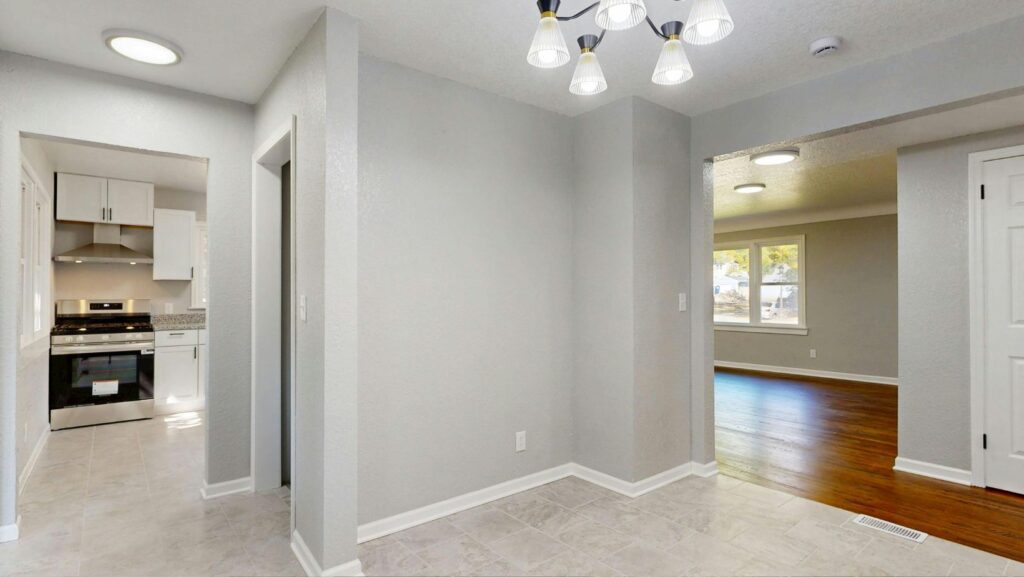
Renovation is no longer just about making a home look better. For today’s homeowners, it is about function, durability, comfort, and future value. Whether you are refreshing a single room or rethinking how your entire home works, the most successful renovations start with strategy, not impulse.
Many projects fail to deliver lasting satisfaction because they prioritize trends over usability or rush decisions that should be carefully planned. A renovation done right should solve everyday problems, adapt to lifestyle changes, and hold up years down the line. This guide breaks down how to approach renovations with intention, clarity, and results that truly last.
Renovation Begins With Purpose, Not Products
The first mistake homeowners make is starting with materials instead of goals. Before choosing finishes or fixtures, define what the renovation needs to accomplish.
Ask practical questions:
- What currently does not work in this space?
- How do you use the room daily?
- What frustrations repeat themselves?
- What changes will matter five or ten years from now?
For example, bathroom upgrades are often driven by surface issues like outdated tiles or worn fixtures. But the deeper motivation is usually functionality, storage limitations, or inefficient layouts. This is why many homeowners choose to consult full-service bathroom renovation specialists early in the process. A holistic approach ensures plumbing, layout, ventilation, and finishes are all considered together rather than patched over separately.
Renovation purpose should always guide design decisions, not the other way around.
Planning Is Where Renovations Are Won or Lost
Good planning saves money, time, and frustration. Poor planning multiplies all three.
A solid renovation plan includes:
- A clearly defined scope of work
- Realistic budget with contingency built in
- Material selection finalized before construction
- Permit and code considerations addressed early
- Timeline that accounts for delays
According to recent industry data, homeowners who invest more time in pre-construction planning experience significantly fewer cost overruns and change orders. Renovations that rush into demolition often end up paying for revisions later.
One recent housing improvement study shows that nearly 30 percent of renovation budget overruns are caused by late design changes and incomplete planning. That number alone explains why experienced contractors insist on thorough preparation before work begins.
Functional Layout Always Beats Visual Trends
Design trends change quickly. Functional layouts do not.
A renovation that prioritizes daily use will always outperform one focused only on appearance. This applies to kitchens, bathrooms, basements, and even open living spaces.
Function-first renovation principles include:
- Clear traffic flow without bottlenecks
- Storage where it is actually needed
- Adequate lighting for tasks, not just ambiance
- Surfaces that are durable and easy to maintain
- Accessibility that adapts to changing needs
For instance, open shelving may look appealing but often fails in high-use areas where dust, moisture, and clutter accumulate. Similarly, oversized fixtures or dramatic design elements can compromise comfort if they reduce usable space.
Smart renovations balance aesthetics with everyday practicality. A space that looks great but is frustrating to use will never feel complete.
Quality Materials Pay Off Over Time
One of the most important renovation decisions is where to invest and where to save.
High-impact areas deserve higher quality materials:
- Structural elements
- Plumbing and electrical components
- Flooring in high-traffic areas
- Waterproofing systems
- Cabinetry and built-ins
Cosmetic items like paint colors or decorative hardware can be updated later at lower cost. Core systems cannot.
Recent construction durability data indicates that homeowners who invest in higher-grade materials during renovation report fewer repairs and replacements within the first decade after completion.
https://www.jchs.harvard.edu/blog/home-renovation-spending-and-material-longevity
This does not mean choosing the most expensive option available. It means selecting materials appropriate for the environment and usage level of the space.
Renovation Should Improve Efficiency, Not Just Style
Modern renovations are increasingly focused on efficiency. Energy, water, and ventilation upgrades often deliver returns that go beyond aesthetics.
Efficiency-driven renovation improvements include:
- Proper insulation during wall or floor upgrades
- Water-efficient plumbing fixtures
- Improved ventilation systems
- LED lighting with layered control
- Smart thermostats and zoning
These upgrades reduce operating costs while improving comfort. In many cases, they also increase resale appeal as buyers place greater value on efficient, low-maintenance homes.
Renovation is the ideal time to make these upgrades because access to walls, ceilings, and systems is already available.
Communication Matters as Much as Construction
A renovation involves dozens of decisions, timelines, and trade professionals. Clear communication is essential to keeping everything aligned.
Successful renovation projects typically include:
- One primary point of contact
- Regular progress updates
- Clear documentation of changes
- Transparent budget tracking
- Defined expectations for completion
Miscommunication is one of the most common causes of renovation dissatisfaction. When homeowners and contractors are not aligned, even quality workmanship can feel disappointing.
Setting communication standards at the start of the project creates trust and minimizes stress throughout the renovation process.
Renovating for the Long Term
The best renovations age well. They accommodate lifestyle changes, family growth, and evolving needs without requiring constant updates.
Long-term renovation planning considers:
- Aging-in-place design features
- Neutral foundations with flexible styling
- Durable finishes that wear gracefully
- Layouts that adapt to future use
- Maintenance requirements over time
A renovation should not lock a homeowner into a single phase of life. It should support change while maintaining comfort and usability.
Final Thoughts: Renovation Is an Investment in Daily Living
Renovation is not just about property value. It is about improving how a home supports daily life. Thoughtful planning, functional design, quality materials, and clear communication transform renovations from stressful projects into lasting improvements.
When approached with intention, renovation becomes a strategic investment in comfort, efficiency, and peace of mind. The most successful projects are not the flashiest ones, but the ones that continue to feel right long after the dust settles.
A well-executed renovation does not chase trends. It builds a better home to live in today and tomorrow.