
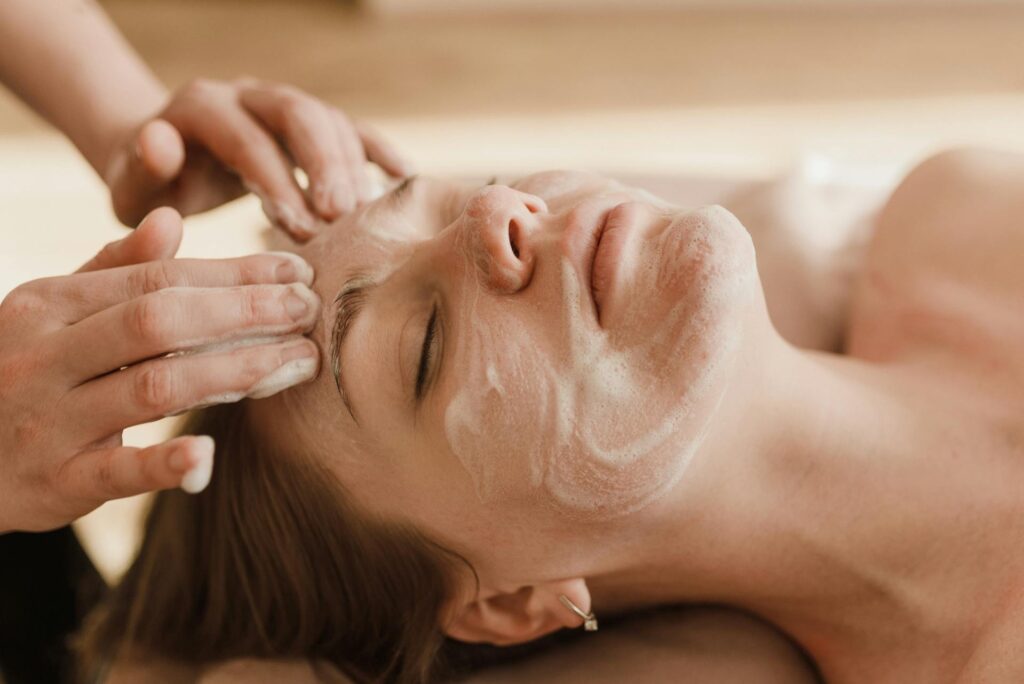
How Modern Injectable Treatments Work
Injectable treatments address specific facial concerns including wrinkles, volume loss, and changes in facial contours. Muscle-relaxing injections target lines caused by repeated movements by reducing muscle contractions. Volumizing injections restore lost tissue in areas such as the cheeks, lips, and under the eyes. Some products block nerve signals, others occupy space or stimulate collagen production in the skin. Together these treatments can restore balance to facial features while maintaining natural expression.
Muscle relaxing injections usually produce results within a few days. They soften lines caused by frowning, squinting, or smiling. Volumizing treatments replace lost tissue and support natural contours. Collagen-stimulating products gradually improve skin texture and thickness. Selecting the right treatment depends on facial anatomy, the degree of correction desired, and the specific areas that require attention. Proper selection ensures natural results while addressing the concerns that appear most prominent.
Common Treatment Areas and Objectives
Muscle-relaxing injections are often applied to the forehead, glabellar lines between the eyebrows, and crow’s feet around the eyes. Volumizing injections target the cheeks, nasolabial folds, lips, and under-eye hollows. Loss of midface volume and changes along the jawline occur due to age, genetics, or weight fluctuations. Correcting these areas restores facial symmetry and enhances contours while preserving expression.
Practitioners assess anatomy, volume loss, and desired outcomes to determine the optimal injection sites. Detailed evaluation of bone structure, fat distribution, and skin quality ensures precise placement. This planning reduces the risk of overcorrection and supports results that adapt naturally to changes in facial structure over time.
Step-by-Step Procedure
Treatment sessions typically last 30 to 60 minutes. The target area is first cleansed and numbed with a topical anesthetic. Products are injected using needles or cannulas and carefully distributed to maintain smooth and even contours. After treatment, patients are advised to avoid pressure, heat, or strenuous activity for several hours. Cold compresses can reduce swelling, while mild redness or bruising is expected for a few days. Severe complications such as blocked blood flow are rare but require immediate attention.
Proper post-treatment care supports healing and prolongs results. Avoiding pressure or excessive heat allows injected products to settle naturally. Following professional guidance during the recovery phase contributes to more consistent outcomes and reduces side effects.
Types of Injectable Treatments
Muscle-Relaxing Injections
Muscle-relaxing injections prevent nerve signals from triggering muscle contractions. Lines formed from repeated facial movements gradually soften. Results typically last three to six months, depending on individual metabolism and activity levels. These injections provide controlled reduction of dynamic wrinkles while maintaining natural facial movement.
Volumizing Injections
Hyaluronic acid injections attract water to restore volume in targeted areas. Calcium hydroxylapatite supports deeper structural contours such as cheeks and jawline. Poly-L-lactic acid stimulates collagen over time, improving facial volume gradually. Hyaluronic acid usually lasts six to eighteen months, while calcium hydroxylapatite and poly-L-lactic acid can remain effective for up to two years. Combining volumizing injections with muscle-relaxing products addresses multiple concerns simultaneously while maintaining natural expression.
Product Selection and Practitioner Standards
High-quality injectable products like professional skin enhancement offers consistent texture and predictable results. Proper storage and handling are crucial for safety and effectiveness.
Licensed practitioners must demonstrate expertise in facial anatomy, injection techniques, and complication management. They evaluate medical history, previous cosmetic procedures, and risk factors before recommending treatment. Discussing realistic outcomes with patients ensures accurate expectations and guides appropriate product selection. Detailed knowledge of facial structures allows for precise placement and minimizes risks while maximizing results.
Facial Analysis and Treatment Planning
Assessment of bone structure, fat distribution, and skin quality is essential before injections. Imaging tools may assist in predicting results and determining precise placement. Practitioners consider long-term changes due to aging, ensuring treatments adapt as the face changes over time. Volume restoration and wrinkle reduction are coordinated to maintain symmetry and expression while addressing specific concerns.
Follow-up visits allow practitioners to assess results and make adjustments if needed. Treatments may be refined based on shifts in volume, skin elasticity, or contour to preserve consistent and natural outcomes. Planning accounts for both immediate improvements and gradual aging processes.
Recovery and Maintenance
Recovery is generally short, with minor swelling, redness, or bruising for several days. Avoiding pressure, heat, and strenuous activity supports healing. Hydration and cold compresses aid tissue recovery.
Muscle-relaxing injections typically require repeat sessions every three to six months. Volumizing treatments can last up to two years. Follow-up sessions maintain volume, correct small changes, and adapt treatment plans as natural facial changes occur. Continuous monitoring of skin quality and facial structure ensures the longevity and effectiveness of results.
Safety Considerations
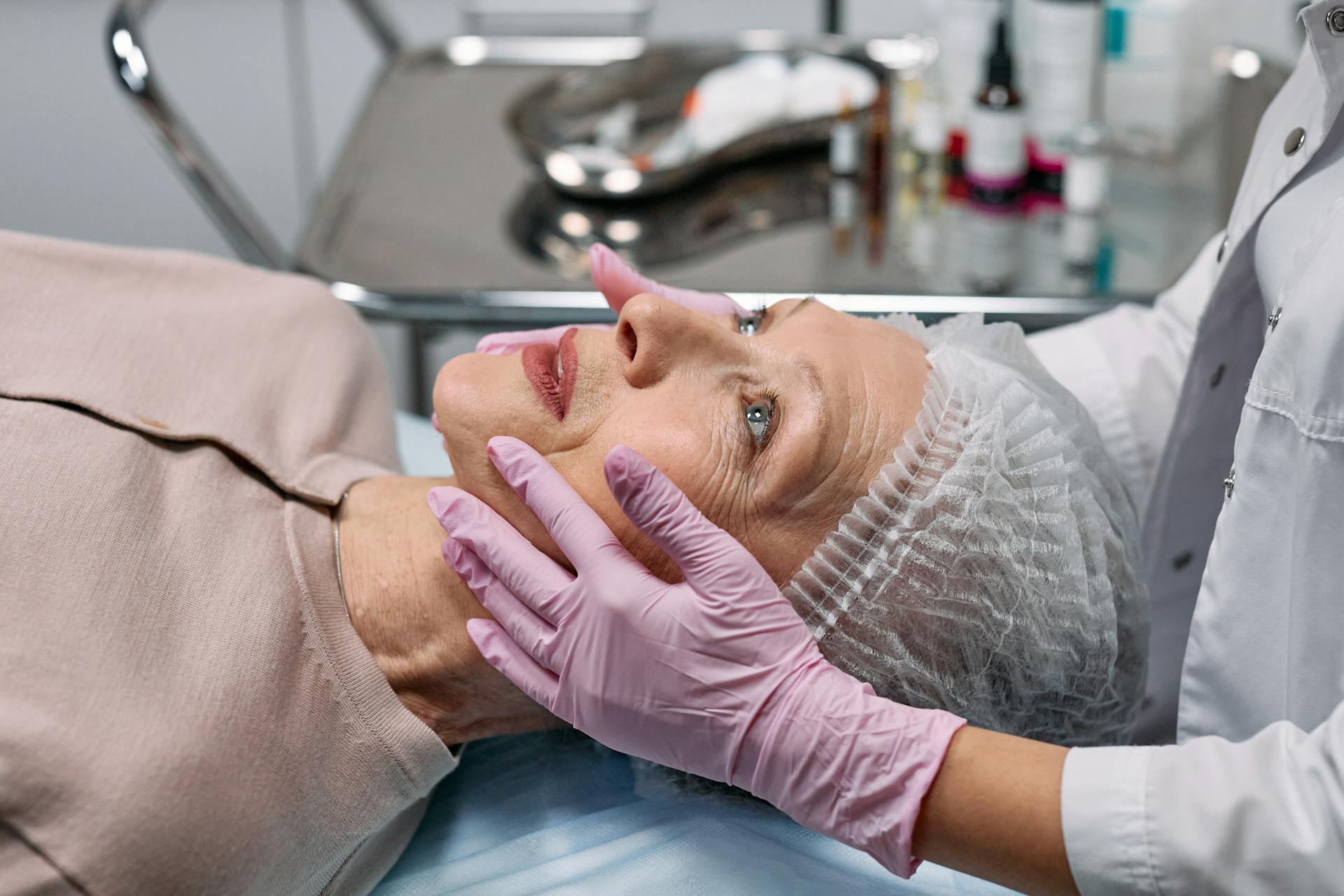
Injectable treatments are generally safe but carry minor risks including bruising, swelling, or infection. Rare complications can involve blood vessels. Patients with active infections, immune deficiencies, or known sensitivities may not be suitable candidates.
Injectables cannot correct loose skin or substantial bone loss. Muscle-relaxing injections reduce dynamic lines, while volumizing treatments restore contour and fullness. Surgical intervention may be necessary if structural support is insufficient for desired results. Careful planning and professional oversight reduce risks while maximizing results.
Integrating Multiple Treatments
Combining muscle-relaxing and volumizing injections with non-invasive procedures such as lasers, microneedling, or chemical peels produces optimal outcomes. Coordinated treatments restore volume, refine contours, and improve skin texture. Sequencing procedures prevents overcorrection, maintains proportion, and preserves natural expression while addressing multiple signs of aging simultaneously.
Coordination ensures that facial features remain balanced as treatments are combined. Sequential planning allows each procedure to contribute to the overall result without compromising previous treatments. This approach supports long-term facial symmetry and controlled improvement over time.
Lifestyle Factors and Long-Term Results
Sun exposure, hydration, nutrition, and stress directly influence skin health and treatment outcomes. Protecting the skin and underlying tissue supports the effects of injectables. Regular check-ups allow practitioners to adjust plans as the face changes with age. Following professional guidance ensures treatments remain safe and effective while maintaining natural results.
Attention to lifestyle factors contributes to the durability of results. Consistent skincare, adequate hydration, and sun protection reduce the impact of external factors on treatment effectiveness. Monitoring and adjusting treatments over time ensures that the face maintains balance and structure.
Ongoing Management and Consultation
Regular consultations allow practitioners to evaluate changes in facial volume, skin elasticity, and contour. Adjustments can be made to maintain consistent results and prevent under- or over-correction. Strategic scheduling of follow-ups supports both immediate and long-term outcomes, ensuring treatments continue to work effectively as the face ages.
Combining professional expertise, patient compliance, and ongoing monitoring provides predictable and safe outcomes. Treatments can address expression lines, restore volume, and refine contours without surgery. Continuous evaluation and careful planning maintain facial balance and natural expression while managing the visible effects of aging over time.