
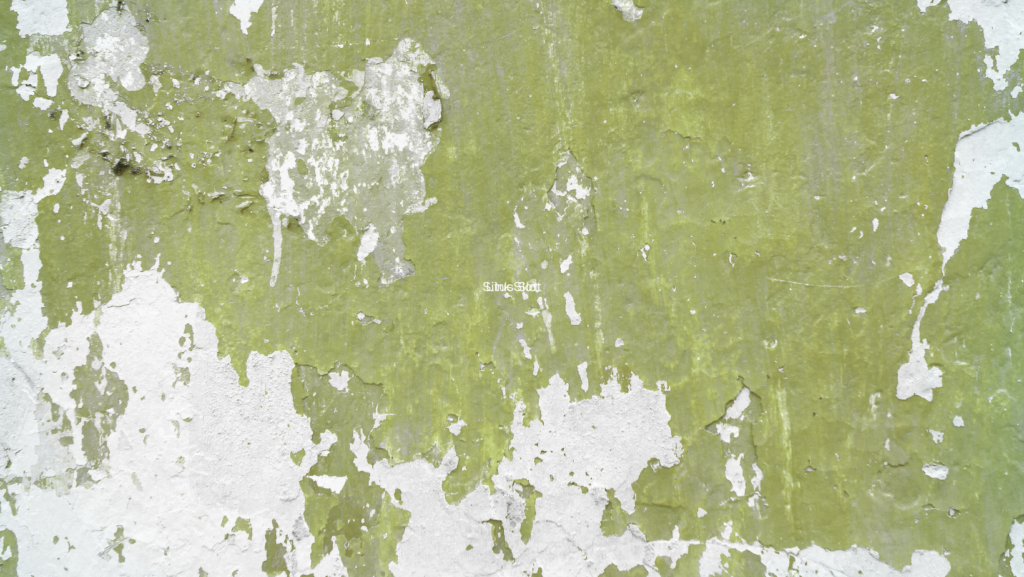
The usage of lime paint dates back many years, even prior to the development of modern paints. It is composed of heated limestone that is mixed with water to create a paste that is soft. When put on a surface it reacts with air and hardens with time. This is done to allow it to stick to the walls easily and impart a natural appearance to it.
Lime paint does not sit on top of the surface, as it soaks into the surface, unlike ordinary paints. This gives the finish a feel of being attached to the wall as opposed to being on top of the wall. It has a minor cloudiness and unease texture that most people enjoy because it provides a subtle detail without appearing overly busy.
Where Lime Paint is most appropriate in Homes
Lime paint is applicable in most parts of the home although best applied on breathable walls. Elderly homes, particularly those with stone or plaster walls, can be the greatest beneficiaries. It can be used to control the moisture build up by allowing air to pass through the area and this can save the problem of dampness in the long run.
Lime paint is commonly used in living rooms and bedroom rooms due to the smooth finish it produces. It also looks well in the hallways where the light strikes the walls at various angles, reflecting the soft colour transitions. Others apply it in kitchens but it must be withheld in cases of heavy splashes unless it is properly covered.
Lime paint can also be used in bathrooms provided there is a good circulation of air. It is important to ensure that the room is not kept wet. When it is applied in the appropriate location, it makes walls appear natural and serene.
Why Lime Paint Is Re-emerging
Less people are starting to build with complex, synthetic substances, and lime paint suits the notion. It lacks the harsh chemicals and its effects to indoor air are less harmful. This is important to individuals who are concerned about what they have in their homes.
The other reason is the appearance. The finish is soft-tone with variations which change with light throughout the day. It is not one-dimensional or glossy, rather it is in between. This creates a lived-in look to the walls even when new.
Lime paint is also famed to be long lasting. It can dry smoothly as opposed to peeling as with some contemporary paints. Even small marks might enhance its beauty instead of ruining it, so it becomes more comfortable to live with.
Before You Select Lime Paint, Things To Know
Though lime paint has a lot of merits, it requires the appropriate surface. It is applicable on mineral based walls such as plaster or brick. Smooth or sealed surfaces might require additional preparation before it can adhere well.
The use of lime paint may require slightly longer than regular paint. It frequently requires multiple coats of paint, and one must dry before the other is applied. The finish may be different depending on how it is applied, thus, the results are not always accurate. That is what makes it attractive but it might not be suitable to those who desire an even look to perfection.
It is also easier to write on when there are crowds but some individuals do not object to the natural degradation. Light wax or seal would help to protect it in case of necessity.
Does Lime Paint Fit Your Space
The selection of lime paint boils down to the feel that you would like in your home. When you prefer light tones, smooth texture and a light-changing finish, it may be a powerful choice. It gives a serene warmness that is difficult to achieve using regular paints.
It is also appropriate to people who like natural materials and slower ageing process. Although it might be more careful in application, the final product can tend to be more personal.
Lime paint can be used to transform dull walls to something with true depth and personality with the correct surface and a little time to spare, making your home have a soothing and permanent appearance.