
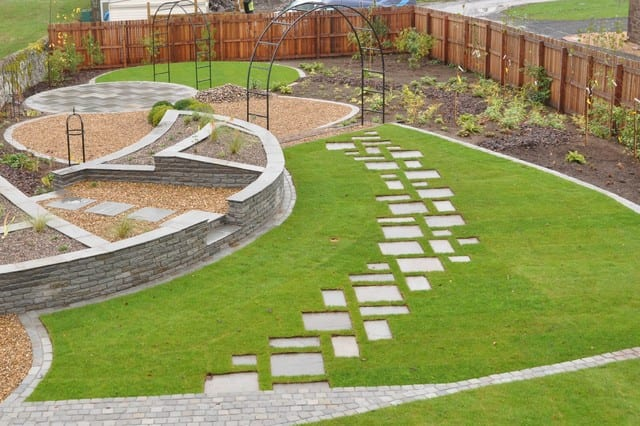
Stone has a timeless appeal in landscaping. It brings texture, permanence, and natural beauty to outdoor spaces in a way few other materials can match, and unlike plantings that change with the seasons, well-chosen stone endures for decades. But landscaping with stone is more involved than simply picking something that looks nice. The right material depends on the function, the setting, and the look you’re after, and choosing well makes the difference between a landscape that delights for years and one that disappoints. This guide walks through how to choose the right stone for your outdoor project.
The versatility of stone in landscaping
One of stone’s greatest strengths in landscaping is its sheer versatility. It serves both decorative and functional purposes, often at the same time. Stone can form pathways and patios, build retaining walls, create borders and edging, provide ground cover in beds, improve drainage, and serve as striking focal points. From rugged natural boulders to refined cut blocks, the range of options means there’s a stone solution for nearly any landscaping goal.
This versatility is also what makes choosing stone a bit more complex than it first appears. Because stone can do so many different things, the right choice depends entirely on what you want it to accomplish. Decorative ground cover calls for different material than a structural retaining wall, and a formal patio demands a different look than a natural-style garden path. Starting with a clear sense of function and aesthetic helps narrow the vast range of options. Buyers exploring their choices often benefit from a supplier with a broad selection; browsing a landscape stone supplier near me can reveal options you might not have considered for your space.
Matching stone to function
The first question in any stone landscaping project is function. What is the stone meant to do? The answer guides everything that follows. For pathways and patios, you need material that provides a stable, walkable surface flat stones, pavers, or compactable crushed stone depending on the style. For retaining walls and structural elements, you need stone with the size, weight, and characteristics to do the job, such as substantial blocks or boulders.
For decorative purposes, the considerations shift toward appearance color, texture, and size that complement your overall design. Ground cover stone in garden beds serves both aesthetic and practical purposes, suppressing weeds and retaining moisture while looking attractive. Drainage applications call for stone that allows water to pass through freely. Identifying the function first ensures you choose material that performs, not just material that looks good in a display. Form and function both matter, but function should lead.
The enduring appeal of limestone
Among the many stone options, limestone deserves particular mention for its popularity and versatility in landscaping. It offers a natural, classic appearance that suits a wide range of styles, and it’s used for everything from decorative elements to structural applications. Limestone blocks in particular are valued for building retaining walls, creating borders, forming steps, and serving as substantial design features that bring structure and permanence to a landscape.
The appeal of limestone lies in its combination of beauty and practicality. It has an attractive natural appearance, works well in many design contexts, and provides the substance needed for structural uses. For homeowners and landscapers looking to add lasting features to an outdoor space, limestone is a frequent choice. Those considering it for walls, steps, or design features often look at limestone blocks as a foundation for projects meant to endure. Its blend of natural character and durability makes it a reliable choice for features intended to last.
Considering the look and feel
Beyond function, the aesthetic dimension of stone landscaping is where personal taste comes into play. Stone comes in a remarkable range of colors, textures, and forms, and these choices dramatically affect the character of a space. Warm, earthy tones create a different mood than cool grays; smooth, refined stone reads differently than rough, natural material; large boulders make a bold statement while fine gravel creates a subtle backdrop.
The key is harmony choosing stone that complements your home, your existing landscape, and the overall feel you want to create. Consider how the stone will look in different seasons and lighting, how it will pair with plantings and other materials, and whether it suits the style of your property. A cohesive material palette ties a landscape together, while clashing choices can make even quality materials feel disjointed. Taking time with these aesthetic decisions, ideally seeing materials in person, leads to results you’ll enjoy for years.
Practical considerations for stone projects
Beyond function and aesthetics, several practical factors deserve attention. Quantity estimation matters, just as it does with aggregates, calculating how much material you need based on the area and depth of your project prevents both shortfalls and waste. Stone is heavy, so delivery and placement require planning, and local sourcing helps keep transportation costs manageable. If you’re coordinating landscaping or renovation alongside relocating, it’s also important to protect furnishings during a move so that furniture and other household items remain safe from damage while heavy materials are delivered and installed.
Maintenance is another consideration. One of stone’s great advantages is its durability and low maintenance compared to many other landscaping materials, but different stones have different characteristics worth understanding before you buy. Thinking through installation, drainage, and how the stone will weather over time helps ensure your project succeeds in the long run. A knowledgeable supplier can offer guidance on these practical matters, helping you avoid common pitfalls and choose materials suited to your specific conditions and goals.
Finding the right materials in Ohio
Successful stone landscaping starts with access to quality materials and good guidance. A supplier with a broad selection lets you find exactly the right stone for your vision, while local knowledge helps you choose materials suited to the region’s conditions. For Ohio homeowners and landscapers, working with a well-stocked local supplier brings both selection and expertise within reach. Buyers searching for stone suppliers columbus ohio can find the range of materials and the knowledgeable support that make a stone landscaping project come together. Having quality materials and helpful guidance nearby simplifies what might otherwise be a daunting process.
Seeing materials before you commit
One piece of advice that experienced landscapers consistently offer is to see stone materials in person before making a final decision whenever possible. Photographs and descriptions are helpful starting points, but stone has a depth of color, texture, and character that’s difficult to fully convey on a screen. The same type of stone can look noticeably different in person, in natural light, and at the scale of an actual project than it does in a small image.
Viewing materials firsthand helps you make confident choices and avoid the disappointment of ordering something that doesn’t match your vision. It also lets you assess quality directly and get a feel for how different options might work together, making it easier to refine your landscaping ideas before committing to a design. A supplier with a good selection on display makes this process easy, allowing you to compare materials side by side and visualize how they’ll look in your space. Taking this step, especially for a significant landscaping investment, leads to results you’ll be happier with and helps ensure the finished project matches what you imagined.
The bottom line
Landscaping with stone offers a way to bring lasting beauty, texture, and function to outdoor spaces, but choosing well requires thought. Start with what the stone needs to do then consider aesthetics, harmony with your property, and practical factors like quantity, delivery, and maintenance. From versatile crushed stone to classic limestone blocks, the right material depends on your specific goals. By understanding your options, matching materials to their purpose, and working with a knowledgeable local supplier, you can create an outdoor space defined by the timeless appeal of stone that brings enjoyment and beauty for many years to come.