
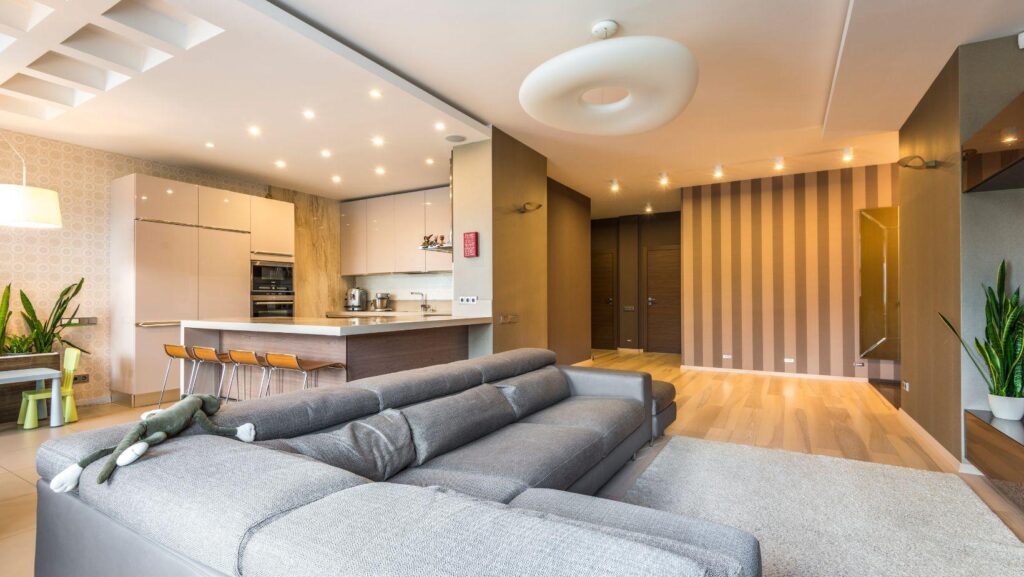
Interior design is often associated with aesthetics, material selections, and visual appeal. While these elements are important, successful interiors must also support how a home functions on a daily basis. A beautifully designed room that feels uncomfortable, impractical, or difficult to use will rarely perform well over time.
Many common interior design mistakes are not immediately obvious when viewed in photographs or showrooms. However, they become far more noticeable through everyday living. Poor layouts, inadequate lighting, incorrect furniture scale, and insufficient storage can all affect how comfortable and functional a home feels.
Thoughtful interior design should improve not only the appearance of a space, but also the experience of living within it.
Key Takeaway: Good Interior Design Should Support Everyday Living
Successful interior design balances aesthetics with practicality. Homes should not only look visually refined, but also function comfortably and efficiently for everyday life.
Prioritising Appearance Over Function
One of the most common mistakes in residential interiors is prioritising appearance without fully considering functionality. A space may look visually impressive while still performing poorly in daily use.
This often appears in the form of impractical furniture layouts, uncomfortable seating arrangements, or rooms designed around aesthetics rather than real-world living habits. Oversized furniture may restrict circulation, while decorative choices can sometimes compromise comfort and usability.
Functional design begins with understanding how the home will actually be used. Families, entertaining habits, routines, and storage needs all influence how successful an interior will feel over time.
Good interior design should support the homeowner’s lifestyle rather than forcing the homeowner to adapt to the design itself.
Key Takeaway: Beautiful Interiors Still Need to Function Properly
A visually appealing home should also feel comfortable, practical, and easy to live in. Functionality should guide design decisions just as much as aesthetics.
Poor Space Planning and Circulation
Space planning plays a major role in how a home functions. Even well-designed rooms can feel frustrating when movement through the space is restricted or awkward.
Common layout mistakes include overcrowded furniture, narrow walkways, blocked sightlines, and poorly positioned seating arrangements. These issues can make interiors feel smaller, more cluttered, and less comfortable to navigate.
Good circulation allows people to move naturally through a room without obstruction. Furniture placement should support conversation, accessibility, and balance while maintaining clear pathways throughout the home.
This becomes especially important in open-plan interiors, where furniture often defines how spaces are divided and experienced.
Key Takeaway: Space Planning Directly Affects Comfort and Flow
Well-planned layouts improve movement, usability, and comfort throughout the home. Poor circulation can make even large spaces feel impractical and uncomfortable.
Choosing the Incorrect Furniture Scale
Furniture scale has a significant impact on how balanced and functional a room feels. Oversized furniture can overwhelm a space, while undersized pieces may leave rooms feeling disconnected or incomplete.
Scale should always relate to the proportions of the room itself. Ceiling height, architectural detailing, room dimensions, and natural light all influence what types of furnishings will feel appropriate within the environment.
A large sectional sofa may suit an expansive open-plan living room but feel overwhelming in a smaller space. Similarly, furniture that is too minimal can make larger rooms feel sparse and lacking warmth.
Successful interiors rely on proportion and visual balance rather than simply selecting attractive individual pieces.
Key Takeaway: Furniture Scale Influences How a Room Feels
Furniture should complement the size and proportions of the room. Correct scale helps interiors feel balanced, cohesive, and comfortable to use.
Insufficient Lighting Planning
Lighting is one of the most overlooked aspects of functional interior design. Many homes rely too heavily on a single overhead fixture, resulting in interiors that feel flat, harsh, or impractical.
Effective lighting should combine multiple layers, including:
- Ambient lighting
- Task lighting
- Accent lighting
Each layer serves a different purpose. Task lighting improves functionality in work areas such as kitchens and bathrooms. Ambient lighting establishes general visibility, while accent lighting helps create atmosphere and visual depth.
This becomes particularly important during a Kitchen Remodel, where poor lighting placement can significantly affect both usability and comfort within the space.
Thoughtful lighting design improves not only visibility, but also how welcoming and functional a home feels overall.
Key Takeaway: Lighting Shapes Both Function and Atmosphere
Layered lighting improves visibility, usability, and atmosphere throughout the home. Well-planned lighting helps interiors feel more functional and comfortable.
Ignoring Storage Requirements
Storage is essential to maintaining both functionality and visual clarity within a home. Without sufficient storage, even beautifully designed interiors can quickly become cluttered and difficult to manage.
Many residential projects underestimate the importance of integrated storage solutions. Everyday items often end up without designated spaces, creating visual noise and reducing usability over time.
Effective storage should feel intentional rather than purely functional. Built-in joinery, concealed storage, and well-planned cabinetry can help maintain clean, organised interiors without compromising the overall design aesthetic.
Storage planning should always reflect how homeowners actually live within the space.
Key Takeaway: Storage Is Essential to Functional Interior Design
Well-designed storage supports organisation, reduces clutter, and improves the long-term usability of a home. Functional interiors require thoughtful storage planning from the beginning.
Following Trends Without Considering Longevity
Trend-driven design choices can quickly make interiors feel dated. While trends may provide inspiration, relying too heavily on short-term styles often results in spaces that lose relevance within a few years.
This is particularly true when trends influence major architectural or material decisions that are expensive to replace later.
Timeless interiors are usually built around balance, proportion, durable materials, and practical layouts rather than fast-moving design trends. This does not mean homes should lack personality, but rather that individuality should be introduced thoughtfully within a framework that can evolve naturally over time.
Long-term functionality should always remain a priority alongside aesthetics.
Key Takeaway: Timeless Design Supports Long-Term Living
Interiors designed around longevity tend to remain functional and visually balanced for longer. Trend-driven decisions should be approached carefully within residential projects.
Separating Furniture and Interior Design Decisions
Furniture is often treated as a final decorative layer added after the main interior decisions have already been made. In reality, furnishings influence how a home functions from the very beginning.
Furniture placement affects circulation, lighting layouts, room proportions, comfort, and storage requirements. When these decisions are made too late in the process, rooms can feel disconnected or poorly balanced.
Integrated planning creates stronger results because furniture and interior design evolve together rather than separately. This approach allows layouts, materials, and furnishing strategy to support one another cohesively throughout the home.
Successful residential interiors consider how every element of the space will work together long before final installation begins.
Key Takeaway: Furniture Planning Should Happen Early
Furniture decisions influence layout, lighting, circulation, and functionality throughout the home. Planning furnishings early creates more cohesive and practical interiors.
Overlooking How Rooms Feel Emotionally
Interior design is not purely functional or visual. It also shapes how people emotionally experience a space.
Rooms that feel cold, overly rigid, or visually overwhelming can become uncomfortable despite being technically functional. Conversely, interiors that balance texture, lighting, scale, and warmth often feel far more welcoming and relaxing.
Soft furnishings, layered materials, natural textures, and thoughtful proportions all contribute to emotional comfort within the home. Acoustic balance, natural light, and spatial openness also affect how calm and inviting a room feels.
Successful homes are designed not only to function efficiently, but also to support comfort and wellbeing through everyday living.
Key Takeaway: Good Interior Design Supports Emotional Comfort
Interior design should create spaces that feel calm, welcoming, and comfortable to live in. Emotional comfort is just as important as visual appearance and functionality.
Conclusion
Many interior design mistakes are not immediately obvious during the early stages of a project. However, poor layouts, incorrect furniture scale, insufficient lighting, and inadequate storage can significantly affect how a home performs over time.
Successful interiors are created through thoughtful planning that balances aesthetics with functionality, comfort, and long-term usability.
Rather than focusing solely on visual appeal, effective residential design considers how people will actually move through, interact with, and experience the space every day.
Final Takeaway: Functional Homes Are Created Through Thoughtful Interior Design
The best residential interiors support both beauty and practicality. Thoughtful interior design improves how a home functions, feels, and adapts to everyday living over the long term.