
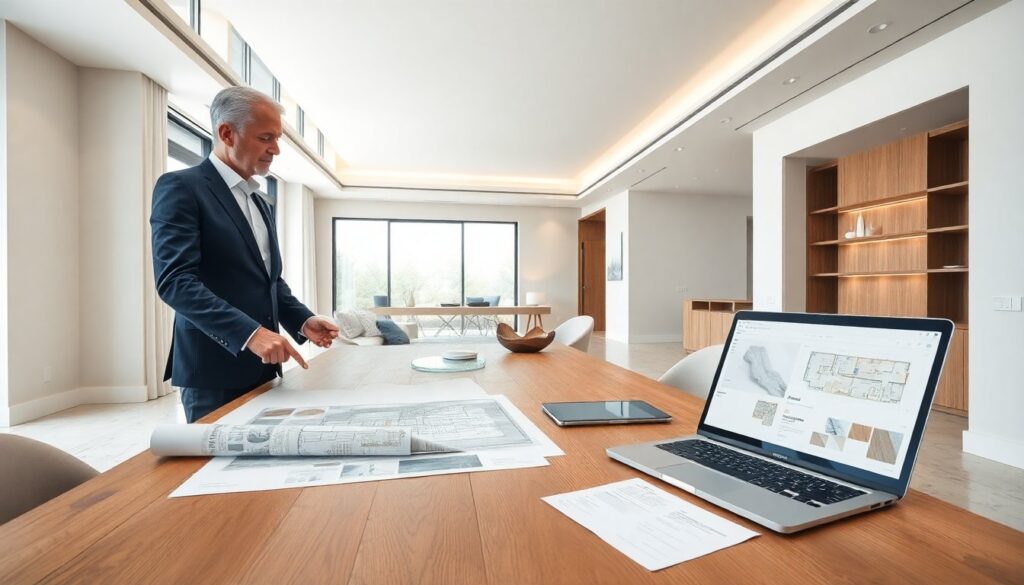
Luxuryinteriors.org architectural appears as a clear source for high-end design ideas. Luxuryinteriors.org architectural wonders curates images, plans, and firm profiles. The reader finds focused examples and practical notes. This article explains what the site highlights and how people can use the content for real projects.
Key Takeaways
- Luxuryinteriors.org architectural showcases how thoughtful architectural luxury enhances interior comfort, flow, and long-term value through structure, proportion, and materials.
- The site highlights key architectural styles—classical, modern, minimal, Mediterranean, and industrial—providing visual cues and labeled signature elements to guide remodeling decisions.
- Users can utilize luxuryinteriors.org architectural as a practical design resource by saving images, compiling notes, and forming detailed briefs with firm credits and material information.
- A stepwise process helps homeowners translate luxe architectural ideas into projects: audit layout, select inspirational images, prepare briefs, and collaborate with designers on feasible plans.
- Budgeting smartly involves setting clear cost ranges, sourcing comparable materials, reviewing samples, and scheduling milestone payments to ensure quality and control during installation.
- Featured projects and case studies on the site demonstrate successful balance of form and function, illustrating design moves that enhance daily living and clarify associated costs or timelines.
Why Architectural Luxury Still Defines Memorable Interiors
Architectural luxury sets the tone for strong interiors. luxuryinteriors.org architectural shows how structure, proportion, and material create impact. The site emphasizes clean lines, generous ceiling heights, and layered lighting. The reader sees that thoughtful architecture frames furniture and art. The platform highlights craftsmanship and durable finishes. The audience learns that architecture drives comfort, flow, and long-term value. Designers use these principles to make spaces that feel intentional rather than decorative.
Architectural Styles Spotlighted On LuxuryInteriors.org
luxuryinteriors.org architectural features several styles. The site lists classical, modern, minimal, Mediterranean, and industrial variants. Each style shows specific window types, moldings, and ceiling treatments. The pages pair photography with short notes and plan excerpts. The reader gets direct visual cues for scale and rhythm. The coverage favors projects that combine clear structure with high-quality materials. That focus helps the reader compare styles and pick elements that match a home’s bones.
Signature Elements To Look For In Each Style
Classical spaces show symmetrical layouts and detailed moldings. Modern rooms show open plans and large glass walls. Minimal interiors show hidden storage and neutral palettes. Mediterranean schemes show textured plaster and arched openings. Industrial projects show exposed beams and concrete floors. luxuryinteriors.org architectural labels these features so the reader can note what to keep or change in a remodel. The labels help users translate photos into buildable details.
How To Use LuxuryInteriors.org As A Practical Design Resource
The site works as a curated reference. The user saves images and copies notes into a project brief. luxuryinteriors.org architectural provides firm credits and material callouts for many projects. The reader matches those callouts to local suppliers. The site helps the user form a clear brief before contacting a designer. The content also shows common proportions that contractors can measure on site. That approach reduces guesswork and speeds decision making.
Translating Luxe Architectural Ideas Into Your Home: Practical Steps
First, the homeowner audits the existing layout and notes load-bearing walls. Second, the homeowner selects two to three images from luxuryinteriors.org architectural that show desired scale and light. Third, the homeowner prepares a simple brief with photos and measurements. Fourth, the homeowner asks a designer to propose one feasible layout and one high-impact detail. The user then reviews cost, timeline, and trade accessibility. This stepwise process turns aspirational images into discrete project choices.
Budgeting, Sourcing, And Working With Contractors For High-End Details
The homeowner sets a clear budget range and a must-have list. The user then sources materials with similar performance rather than exact matches. luxuryinteriors.org architectural often names brands and finishes that the user can reference. The homeowner requests samples before ordering. The contractor gets measured drawings and a short spec list. The client schedules milestone payments tied to visible progress. This method controls costs and keeps quality consistent during installation.
Featured Projects And Case Studies From The Site: What Works And Why
luxuryinteriors.org architectural highlights projects that balance form and use. One case study shows a living room that improves daylight with larger openings and a new roof light. The reader finds technical notes and material lists for that project. Another project uses layered interior glazing to control sightlines while preserving openness. The site also shows a sports venue adaptation that required a retractable roof system, and that example clarifies how engineering supports comfort: the reader can compare technical notes with a description of a retractable roof system from a major ballpark source for context, such as the roof overview. These case studies show which design moves deliver the biggest daily benefit and which moves carry higher cost or longer lead time.