

Employees spend a massive chunk of their day at work, and the office environment quietly shapes how they feel, perform, and ultimately whether they stick around. Step into one office and the place hums with energy, feels welcoming, and sparks motivation. Walk into another and it’s flat, uninspiring, and somehow drains enthusiasm before the first coffee is even finished.
Thoughtfully designed workplaces send a clear message: “You belong here. You’re valued.” Those subtle cues often make the difference between staff staying loyal and quietly scoping out other opportunities.
First Impressions Matter
Every commercial office fitouts Sydney company worth their salt would agree that first impressions truly matter. The moment someone steps into a workplace, their brain is already forming opinions about the company culture and how it treats staff.
Reception areas, communal spaces, even lighting play a surprisingly big role in this first impression. Sensory cues like brightness, noise levels, and overall flow set the mood for the day. Some key factors that shape first impressions include:
- Lighting – Harsh fluorescents can sap energy, while natural light keeps people alert and engaged
- Organisation – Tidy, functional layouts feel professional; cluttered spaces do the opposite
- Decor – Warm, inviting finishes make a difference compared with cold, impersonal surfaces
- Breakout areas – Spaces to chat or relax make staff feel comfortable, whereas none at all can feel restrictive
Functional Design for Everyday Comfort
Functionality often outweighs flashy aesthetics. Desks that are awkwardly positioned, storage that’s hard to reach, or meeting rooms that feel like a maze all chip away at daily comfort. Ergonomic furniture, well-placed amenities, and layouts that reduce unnecessary walking make the day flow effortlessly.
Thoughtful touches ripple through everyday work life. Quiet zones offer uninterrupted focus. Adjustable desks cater to different work styles. Meeting rooms in easy-to-access spots cut down on wasted time.
Even minor discomforts like poorly positioned screens or inconvenient storage can pile up, affecting morale. A smooth, functional office signals that staff comfort matters, and that kind of consideration pays off in loyalty.
Collaboration vs. Focus
Modern workplaces need to balance the buzz of collaboration with spaces for individual focus. Staff want areas to brainstorm and chat, but they also need corners to knuckle down. Consider these:
- Open-plan zones for group work and creative energy
- Private spaces for focused work or sensitive conversations
- Multi-purpose rooms that can adapt to varying needs
Personalisation and Employee Identity
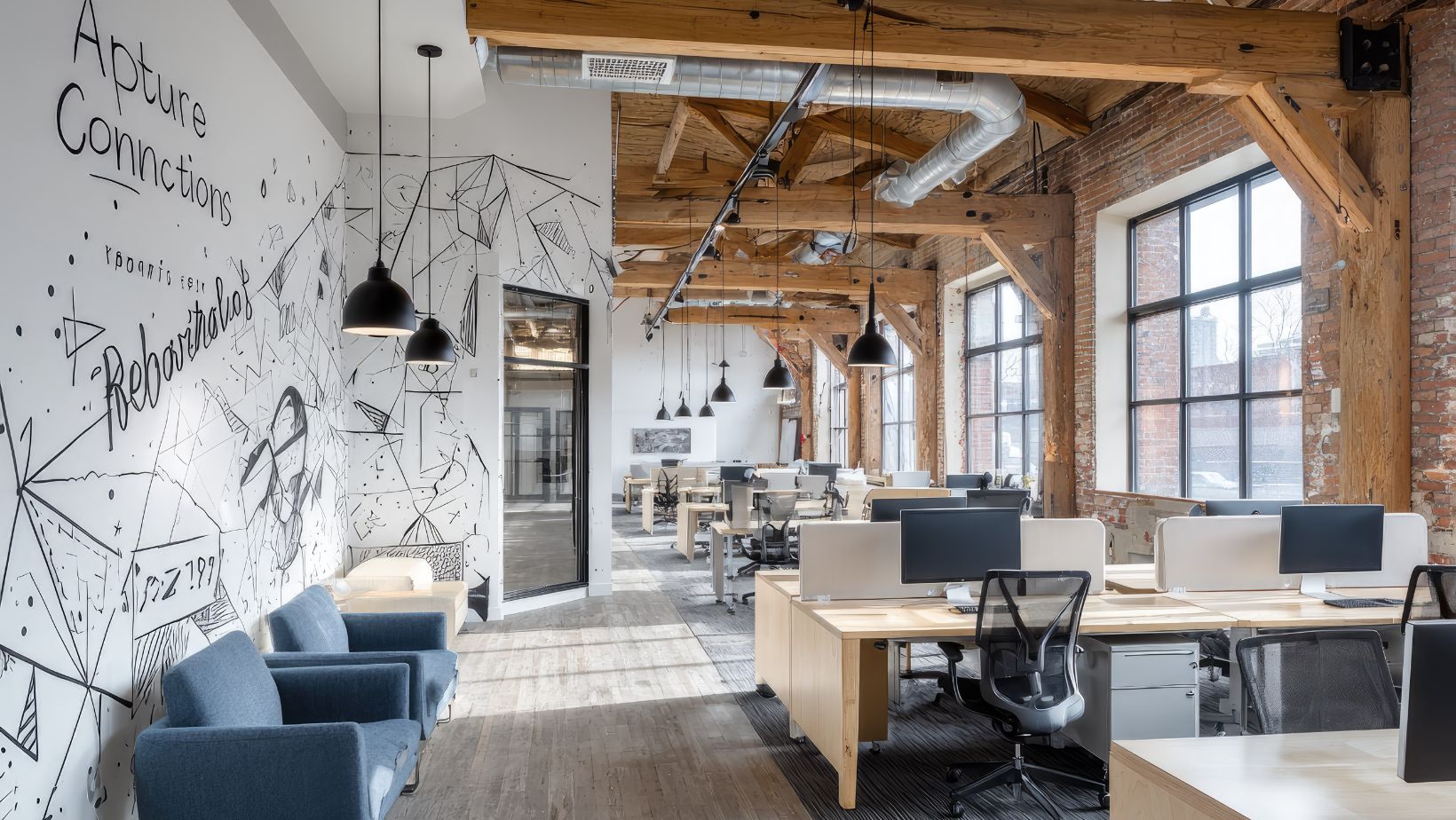
Giving employees room to personalise their workspace strengthens belonging. It’s about more than adding a few potted plants. Artwork, adjustable furniture, and shared spaces with cultural or creative touches show staff they’re part of a bigger picture.
A sense of ownership boosts pride and loyalty. Employees who feel comfortable and recognised are less likely to drift elsewhere, even if salaries or perks are similar elsewhere.
Natural Light, Air Quality, and Wellbeing
The effect of light, ventilation, and air quality on staff mood and energy is often underestimated. Dim, stuffy spaces can drain energy and subtly push people toward greener pastures. Here are some ways workplaces can support wellbeing through design:
- Maximising daylight exposure to boost mood and energy
- Ensuring airflow and circulation for comfort and alertness
- Integrating greenery to reduce stress and lift spirits
- Using colours and textures that soothe rather than overwhelm
Flexible Spaces for a Changing Workforce
Workforces evolve, and offices need to keep pace. Stiff, static layouts frustrate staff when work habits shift. Flexible spaces demonstrate that comfort and adaptability matter. Movable partitions, modular furniture, and multi-purpose rooms make it easy to switch between collaboration and focus.
You’ll be surprised that small tweaks can make a difference. For example, a table that doubles as a casual meeting spot or a desk arrangement that supports hybrid schedules shows staff their needs are understood. Flexible design communicates care, helping employees feel empowered instead of boxed in.
The ROI of Retention Through Design
Investing in thoughtful office design pays off in lower turnover, reduced recruitment costs, and less disruption to teams. Happy employees are productive employees, and productive employees stick around.
Smart fitouts turn the workplace into a strategic advantage rather than just an overhead. Thoughtful design encourages staff to stay, benefiting the business in the long run.
Conclusion: Creating Design That Keeps People On Board
From first impressions to daily comfort, wellbeing, and flexibility, a well-designed workplace influences staff retention in ways that might surprise even the most seasoned managers. Offices that nurture, adapt, and respect employees make loyalty feel natural rather than forced. For business leaders, it’s worth asking: does the current environment truly support your team?