

Selecting a driveway surface is rarely just about looks. For most homeowners, the decision combines durability, long-term maintenance, and how well the finished result fits the rest of the property. Interlocking pavers continue to gain popularity across Canada because they address all three concerns at once, especially in regions where weather conditions demand reliable exterior materials.
If you want to understand how different paver choices perform in real residential settings, it helps to see interlocking driveway services completed in Oakville and nearby communities. Observing finished projects makes it easier to evaluate colour blends, layout patterns, and how certain materials age over time. Those visual references often clarify what photos in catalogues cannot fully show.
Before choosing a specific product, homeowners should understand what makes interlocking systems different and why material selection matters as much as installation quality.
What Interlocking Pavers Actually Do
Interlocking pavers are individual concrete or stone units designed to lock together over a compacted base. Instead of relying on a single solid slab, the surface distributes weight across many connected elements. That structure allows controlled movement during freeze–thaw cycles, reducing cracking and surface damage.
Unlike poured materials, interlocking systems manage moisture more effectively. Water drains through joints rather than pooling on top, which lowers the risk of ice formation during winter. This feature alone explains why many driveways built with pavers maintain a more even surface after years of seasonal changes.
Material choice influences how well this system performs. Thickness, density, finish texture, and edge profile all contribute to strength, appearance, and maintenance requirements.
Factors That Should Guide Your Paver Selection
Choosing the right paver involves more than matching colours to your home’s exterior. Several technical and visual considerations should guide the decision process, especially for driveways that handle daily vehicle traffic.
The most important aspects to evaluate include:
- Paver thickness, which affects load resistance and long-term stability
- Surface texture, influencing traction during rain or snow
- Colour consistency, helping maintain visual balance over time
- Edge design, supporting proper interlock between units
- Base compatibility, ensuring the material performs as intended
These elements work together. A visually appealing paver may underperform if its structure isn’t suited for driveway use, while a highly durable option may look out of place if the finish clashes with surrounding landscaping.
Matching Pavers to Home Style and Landscape
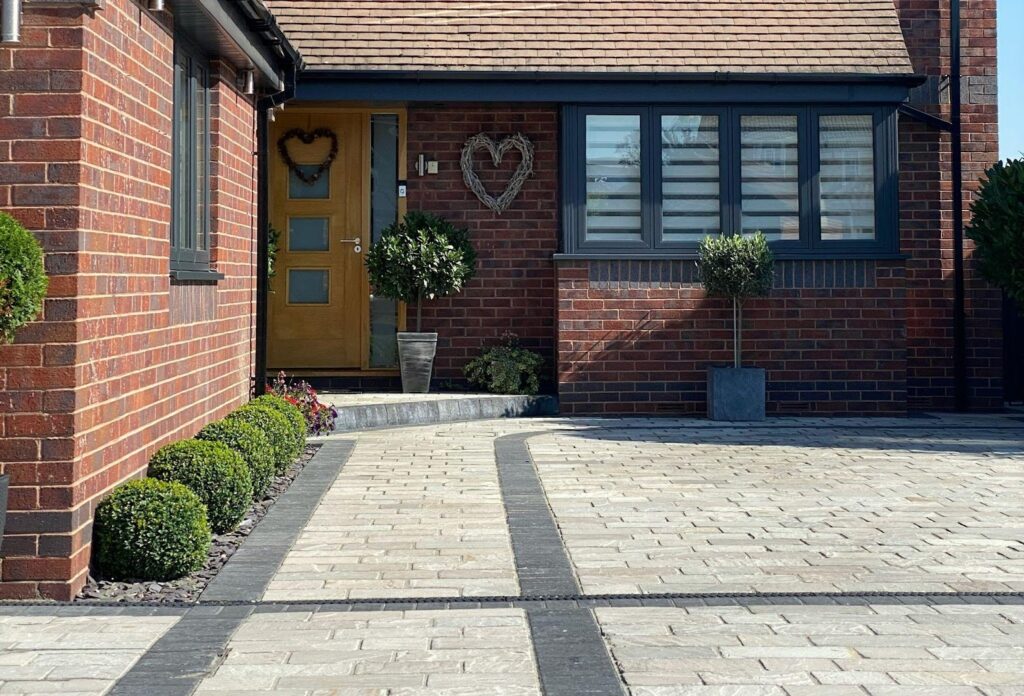
A driveway should complement the house rather than dominate it. Architectural style plays a significant role in determining which paver formats look most appropriate. Modern homes often benefit from larger, clean-lined units in neutral tones, while traditional properties tend to pair well with smaller formats or blended colours that echo natural stone.
Landscape features also matter. Curved walkways, garden borders, and planting beds interact visually with driveway patterns. Selecting pavers that allow subtle transitions between hardscape and greenery helps create a cohesive exterior environment.
Experienced contractors often guide homeowners through this process by reviewing site conditions, elevation changes, and existing materials. Companies like Oaks Home Services regularly incorporate these considerations during the planning phase to ensure that driveway designs integrate smoothly with the rest of the property.
Why Climate Should Influence Your Decision
Canadian weather places unique demands on exterior surfaces. Frequent freeze–thaw cycles, road salt exposure, and snow removal equipment all affect how materials age. Pavers designed for pedestrian areas may not withstand these conditions when used in driveways.
High-quality interlocking units are manufactured to meet specific strength standards. Dense concrete blends resist surface scaling, while properly shaped edges maintain alignment under pressure. Selecting products rated for vehicular use significantly reduces future maintenance issues.
Drainage also deserves attention. Well-chosen pavers combined with a correctly prepared base help manage runoff and prevent water accumulation beneath the surface, protecting the entire structure.
Installation Quality Matters as Much as Material
Even the best pavers cannot compensate for improper installation. Base preparation, compaction depth, and slope alignment determine whether a driveway remains stable over time. Mistakes at this stage often lead to settling, uneven surfaces, or joint separation.
Professional installers follow precise steps to prepare the subgrade, ensuring adequate drainage and load distribution. Their experience allows them to adjust techniques based on soil conditions and site layout. This expertise becomes especially valuable for sloped driveways or properties with complex access points.
Homeowners reviewing completed projects often notice that well-installed driveways maintain crisp edges and consistent joint spacing years after construction. That outcome reflects both material choice and workmanship.
Maintenance Expectations for Interlocking Driveways
Interlocking systems require minimal upkeep compared to many alternatives. Occasional sweeping, joint sand replenishment, and seasonal cleaning usually keep the surface looking neat. When repairs become necessary, individual units can be lifted and replaced without disturbing surrounding areas.
This modular nature appeals to homeowners who value long-term practicality. Instead of resurfacing an entire driveway, targeted adjustments address specific issues. Over time, this approach reduces maintenance costs while preserving visual consistency.
Making an Informed Final Choice
Choosing the right interlocking pavers means balancing appearance, performance, and budget. Homeowners benefit most when they view material samples in real environments and consult professionals familiar with local conditions. Examining completed installations provides insight into how colours weather, how patterns influence perception, and how certain textures perform during winter.
Teams such as Oaks Home Services help homeowners navigate these decisions by combining technical knowledge with design awareness. Their approach focuses on selecting materials that suit both the property and the climate, ensuring reliable results rather than short-term appeal.
Final Thoughts
Interlocking pavers offer a versatile and durable solution for driveways when chosen thoughtfully. Material quality, surface design, and installation standards all influence long-term satisfaction. Homeowners who take time to understand these factors are more likely to invest in a driveway that performs well and enhances curb appeal for years to come.
By evaluating real-world examples, considering climate demands, and working with experienced professionals, selecting the right pavers becomes a confident and informed process rather than a guessing game.