
Interior trends can provide inspiration, but they often change faster than most people can or should replace their furniture. A sofa, dining table, or storage cabinet is a significant purchase, so it should remain attractive and functional long after a particular color or style has faded from popularity. Choosing enduring furniture requires looking beyond what is fashionable and concentrating on quality, versatility, comfort, and personal taste.
Prioritize Quality Construction
Furniture made from well-constructed materials is far more likely to hold up over time. Before you fall in love with any particular piece of furniture, thoroughly inspect its materials and the quality of its craftsmanship, rather than letting visual appeal alone be the deciding factor.
High-quality options typically include solid wood, durable metal frameworks, high-density foam cores, and tightly woven upholstered fabrics that are designed to withstand day-to-day use better than their less durable counterparts.
While higher-quality furniture may have a higher upfront cost, the longevity these items provide can make them a better investment in the long run because you do not have to replace them as frequently.
Choose Simple, Balanced Shapes
Furniture with clean lines and balanced proportions is easier to adapt when decorating styles change. While unique silhouettes might seem eye-catching for a season, they can eventually date a room very quickly. Clean lines and moderate forms, on the other hand, complement a wide range of interior design styles, including traditional, modern, and transitional.
Simple does not have to be plain. Subtle curves, attractive joinery, textured upholstery, or distinctive legs can give a piece personality without tying it to a short-lived trend. The goal is to find furniture that feels interesting yet remains visually flexible.
Consider Versatile Colors and Finishes
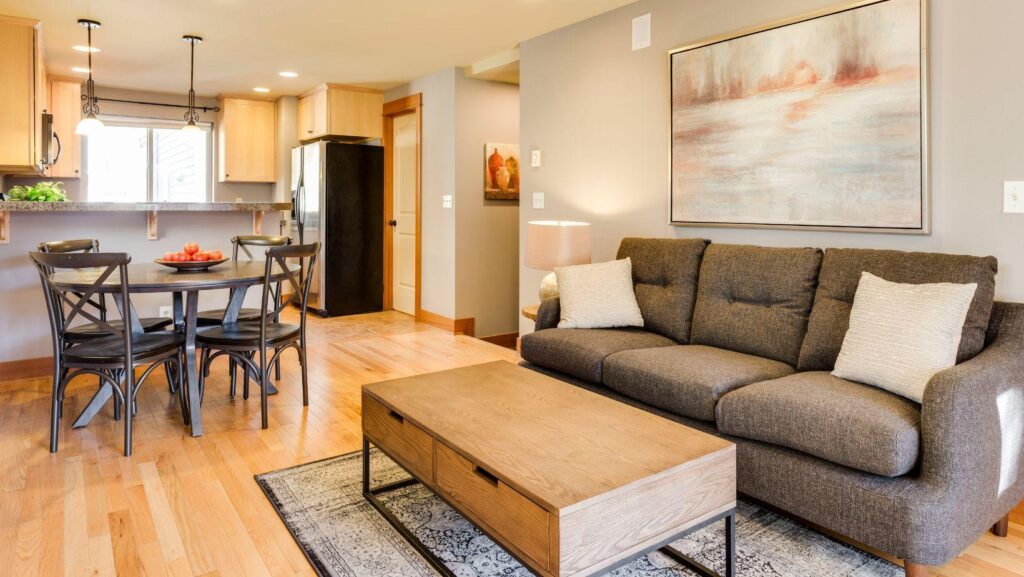
When investing in pieces that have lasting appeal, neutrals offer a safe and versatile base for a wide variety of decor choices. Neutral furniture in shades like gray, beige, cream, white, taupe, and muted greens will work well in any room and pair neatly with almost all colors or design schemes. Furniture with a natural wood finish also remains adaptable, as it effectively complements most colors, textures, and decorative elements.
This approach is especially useful when selecting larger pieces. When exploring Urban Interiors Stores, for instance, homeowners can focus on versatile sofas, tables, chairs, and cabinets that can be restyled through smaller decorative details. Trend-driven colors can then appear in cushions, throws, artwork, lamps, rugs, which are easier and less expensive to update.
Match Furniture to Your Lifestyle Needs
Even the most aesthetically-pleasing furniture will not last if it does not complement the lifestyle of the people using it. A fine silk or white sofa might not survive in a home with young children or pets. A supersized sectional could overwhelm a small apartment. Always take stock of how each room in your home is used, by whom and for what activities, and how much maintenance and cleaning you are willing and able to handle.
Measure space, leaving ample room for walking, and consider furniture sizes and shapes that complement existing pieces and the overall layout. Select fabric and finishes that can withstand regular use from children, pets, guests, and everyday life.
Endnote
Furniture that endures evolving decorating trends does not need to be boring or unimaginative. By investing in dependable foundational pieces and reserving trends for easily replaceable accessories, homeowners can create interiors that remain stylish, functional, and personal for many years.