
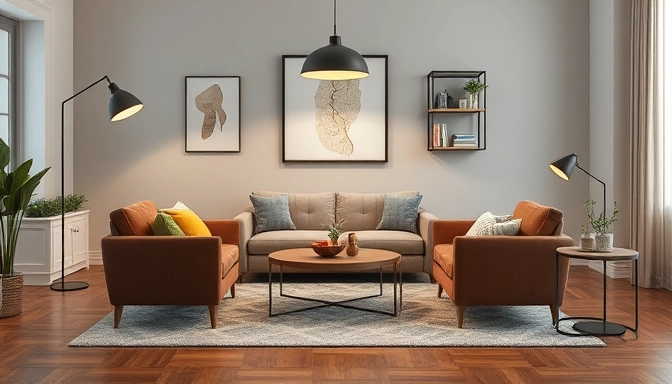
Preparing your home for sale often reveals styling gaps that went unnoticed during everyday living. A spare room may be empty, a large living area may lack definition, or your current furniture may not suit the property’s proportions. Temporary furniture lets you address these issues throughout the sales campaign without buying pieces you will no longer need after moving.
Completes Partly Furnished Rooms
You rarely need to replace every item in your home before selling. A few missing pieces may be enough to make an otherwise functional room look unfinished. Your living room might need an occasional chair and coffee table, while a bedroom may require bedside tables to create a more balanced arrangement.
You can use furniture-hire providers such as huntleyandco.com.au/ to source selected pieces that complement furniture you already own. Concentrating on genuine gaps keeps the arrangement cohesive and prevents unnecessary additions from making rooms feel crowded.
Shows How Empty Rooms Can Function
An empty room gives buyers limited information about its practical use. A smaller bedroom may seem too confined, while an unused alcove can appear to be wasted floor area.
Temporary furniture allows you to assign a recognisable purpose to each space. A compact bed can confirm that a room accommodates guests, while a desk and chair can turn an overlooked area into a home office. This use of visual zoning helps buyers understand how different parts of the property could support their daily routines.
Corrects Scale and Proportion
Oversized furniture can make your rooms look cramped in listing photographs and during inspections. Pieces that are too small can create the opposite problem, leaving open areas looking sparse or poorly planned.
Hiring furniture gives you access to pieces that better suit the dimensions of each room. A compact sofa may improve movement through a modest lounge, while a larger dining setting can demonstrate the capacity of an open-plan area. Better space planning creates clearer pathways and makes the available floor area easier for buyers to assess.
Creates a More Consistent Presentation
Furniture collected over many years often includes unrelated colours, finishes and design styles. Although each item may suit your needs, the combined effect can look inconsistent in professional photographs or as buyers move between rooms.
Selected rental pieces can give your property a clearer visual direction. Repeating similar materials, shapes or neutral tones creates continuity without making every room look identical. In property staging, this consistency reduces visual distractions and keeps attention on the layout, condition and potential of the home.
Draws Attention to Key Features
Your furniture arrangement can influence which property features buyers notice first. Low-profile seating may preserve views through large windows, while a carefully positioned dining table can reinforce the connection between the kitchen and entertaining area.
Temporary pieces can also replace existing furniture that blocks natural light, hides architectural details or interrupts sightlines. By adjusting the layout, you can make fireplaces, built-in storage, outdoor access and generous room dimensions more apparent without altering the property itself.
Presenting a More Complete Home
Temporary furniture solves styling gaps by completing unfinished rooms, demonstrating their purpose and presenting their proportions more effectively. It also gives you the flexibility to prepare your property for photography and inspections without committing to permanent purchases. When each hired piece performs a specific role, your home becomes easier for buyers to understand and imagine as their own.