
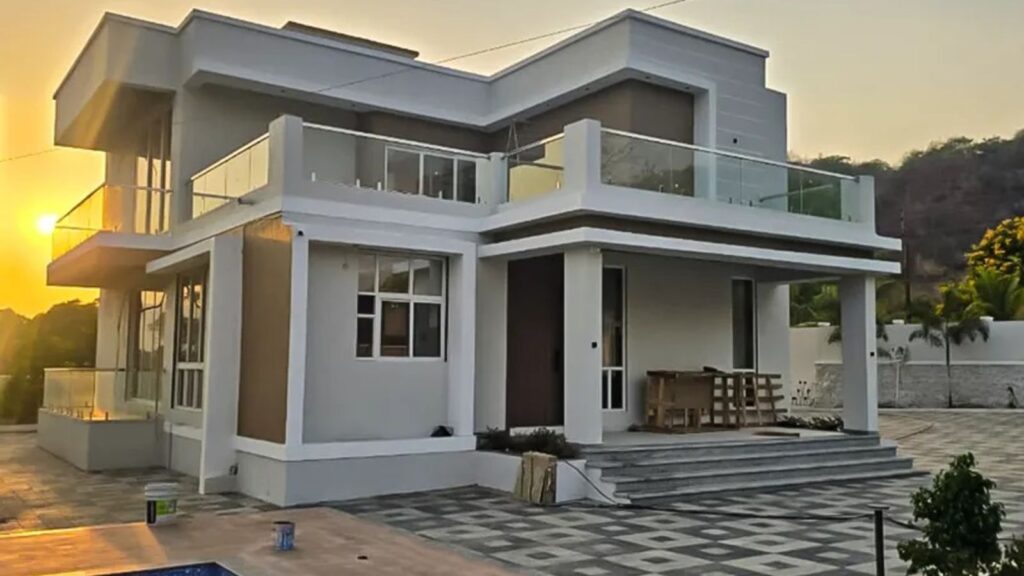
Luxury living tends to look effortless from the outside. Behind the scenes, it’s usually a set of routines that keep the home calm, clean, and consistent—especially when the space includes high-end finishes, custom joinery, smart systems, and curated interiors that don’t respond well to “quick fixes.”
That’s where professional property management fits in. A strong manager isn’t just reacting to maintenance requests—they’re protecting the experience of the home. They coordinate preventive care, manage trusted vendors, keep standards consistent, and handle the practical details that otherwise chip away at comfort. Some homeowners work with a local generalist; others use market specialists such as First Class when they want a dedicated team in a specific location.
Here’s what property management does differently for luxury properties, and why it often shows up in the feel of the home as much as the condition.
What “good management” looks like in a luxury home
Luxury properties are less forgiving. Small issues can be expensive because they affect finishes, indoor comfort, or the home’s overall presentation. Good management usually focuses on four priorities:
- Preserve materials and finishes (stone, timber, hardware, soft furnishings, artwork)
- Keep systems stable (HVAC, water pressure, lighting controls, automation)
- Protect privacy and access (who enters, when, and what’s documented)
- Maintain a consistent standard of readiness (clean, stocked, and functioning)
It’s not about doing more. It’s about doing the right things on schedule and documenting them well.
The core services that protect luxury living
Preventive maintenance, not “emergency maintenance”
Preventive care is what keeps a luxury home quiet. Managers typically build a service calendar that covers the systems most likely to fail or drift: HVAC servicing, filter changes, drainage checks, leak monitoring, pool systems (if applicable), and seasonal exterior care.
The goal is simple: fewer disruptions, fewer rushed repairs, and fewer instances where a minor problem becomes visible damage.
Vendor quality control
Luxury properties often need specialists—stone care, joinery repairs, smart-home technicians, premium appliance servicing. A good manager doesn’t just “send someone over.” They manage:
- Scope of work (so the fix matches the finish)
- On-site supervision when needed
- Before/after documentation
- Warranty tracking and repeat-issue prevention
Presentation standards that match the interiors
In high-end homes, presentation is maintenance. That includes housekeeping standards, linen quality, product selection (cleaners that won’t harm surfaces), and careful handling of objects that are easy to scratch, stain, or dull.
If the home is used intermittently, presentation also means “arrival readiness”—no dust on ledges, no stale air, no surprise odours, no depleted basics.
Discreet access and clear records
Luxury living usually comes with a privacy expectation. A professional setup typically includes controlled access (key logs or smart locks), scheduled vendor windows, and clear documentation of who entered and why. This matters even more when the owner travels frequently or the home is one of several residences.
A simple system that keeps things consistent
Most strong operators run a simple cycle:
1) Onboarding and standards
Walkthrough, finish notes, system overview, vendor list, and clear “this is acceptable / this is not” standards—especially for cleaning, staging, and repair quality.
2) A maintenance rhythm
Monthly/quarterly tasks for systems, plus seasonal resets (deep cleaning, exterior checks, soft furnishing care). This is where small issues are caught early.
3) Fast triage + clean close-outs
When something breaks, the manager triages quickly, sends the right vendor, and closes the loop with a short summary and photos—what happened, what was done, and what to watch next.
4) Simple reporting
Owners usually don’t want long emails. They want a clear snapshot: what changed, what was fixed, what needs approval, what’s upcoming.
What to confirm before you hire anyone
Keep this as a short reality-check list:
- What’s included in the monthly fee vs billed separately?
- What’s your repair approval threshold and emergency authority?
- How do you control access and document vendor visits?
- What are your housekeeping and presentation standards?
- How do you prevent repeat issues (humidity, leaks, HVAC drift)?
- What reporting will I receive—and can I see a real sample?
If answers are vague, the service tends to be reactive.
Dubai: process, climate, and execution
Dubai adds two practical factors: climate and process.
- Climate pressure: heat, humidity, and dust can put extra strain on HVAC and filtration, and humidity control becomes part of protecting finishes and indoor comfort.
- Process requirements: how you use the home changes the admin. Long-term tenancies often involve formal contract registration via Ejari. Short-term “holiday home” operations require registration and approvals through Dubai’s Department of Economy and Tourism systems before listing.
If you’re comparing property management services in dubai, ask operational questions that match your use case:
- Which registrations/permits do you handle versus the owner?
- What’s the document checklist and timeline?
- How do you maintain HVAC performance and humidity control year-round?
- What does your inspection cadence look like, and what’s documented?
Putting it simply
Professional property management enhances luxury living by making the home consistently comfortable and consistently cared for—without the owner having to run a rotating cast of vendors. The best managers protect what’s hardest to replace: the condition of finishes, the stability of systems, and the sense that the home is always ready when you are.