
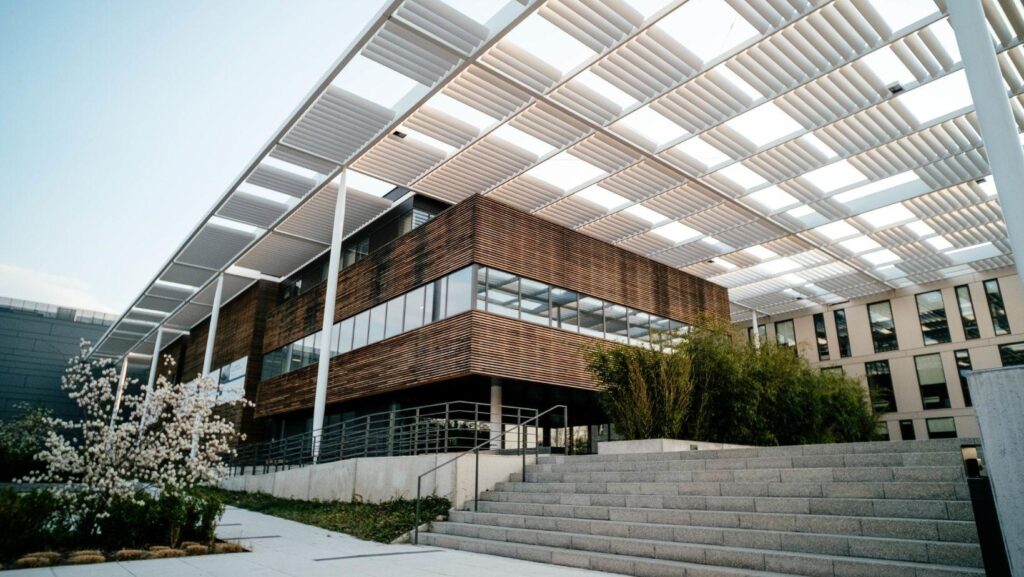
Modern architecture is changing how people use, experience, and maintain their living spaces. Homeowners also want houses that are comfortable and adaptable to their lifestyles, which is why architects and home builders are rethinking traditional construction methods to create homes better suited to modern living. This article will highlight some of these changes and how they are reshaping the way homes are built.
Modern Architecture Focuses on Functionality and Comfort
One of the biggest changes in modern residential architecture is the emphasis on how a home functions rather than simply how it looks. Traditional houses often followed fixed layouts with clearly separated rooms, but contemporary designs increasingly prioritize open spaces, natural light, and practical movement between different areas of the home.
For example, combining the kitchen, dining area, and living room can make a house feel more spacious without increasing its size. This arrangement can also make everyday activities more convenient, allowing family members to better interact with one another. Modern architecture also considers the way people live, so home offices, multipurpose rooms, and flexible living areas are becoming important design considerations.
Energy Efficiency Is Influencing Home Design
Energy efficiency has encouraged architects to think about how buildings interact with their surrounding environment. Rather than relying entirely on heating, cooling, and artificial lighting, modern designs often incorporate features that help maintain comfortable indoor conditions naturally. Some common approaches include:
- Strategic window placement: Positioning windows to make better use of natural daylight and encourage suitable ventilation.
- Insulation: Choosing appropriate wall, roof, and floor insulation to reduce unwanted heat transfer.
- Passive design: Considering building orientation, shading, and airflow to help regulate indoor temperatures.
- Energy efficient materials: Selecting suitable windows, roofing, and construction materials that support better thermal performance.
These features can reduce energy demand when they are properly designed for the local climate. However, their effectiveness depends on factors such as orientation, building materials, and the surrounding environment, so energy efficiency needs to be considered from the earliest design stages.
Home Builders Are Adapting to Modern Design Expectations
Modern architectural ideas require close coordination between architects, engineers, and construction professionals. Even a carefully prepared design can encounter difficulties if important structural and building system requirements are overlooked.
For example, homeowners comparing home builders in DE may need to consider how well a builder can interpret architectural plans and maintain construction quality throughout the project. A good building process requires communication, careful planning, compliance with applicable building regulations, and attention to the practical details that affect the home’s long term performance.
Technology Is Improving the Home Building Process
Digital design tools allow professionals to develop detailed building models, examine layouts, and identify potential conflicts before work begins on-site. For example, Building Information Modelling (BIM) can bring architectural, mechanical, electrical, and plumbing information into a coordinated digital model. This helps different professionals understand how their work fits together and can reduce avoidable design conflicts during construction.
Homeowners can also benefit from digital visualizations that show how rooms, finishes, lighting, and furniture arrangements may look before construction is complete. This makes it easier to discuss design decisions, identify changes early, and develop a clearer understanding of the finished home.
Endnote
Changes in modern architecture allow homes to respond more effectively to everyday needs while accommodating future lifestyle changes. In the long run, a well designed modern home is an adaptable space built to serve the people living in it for years to come.