
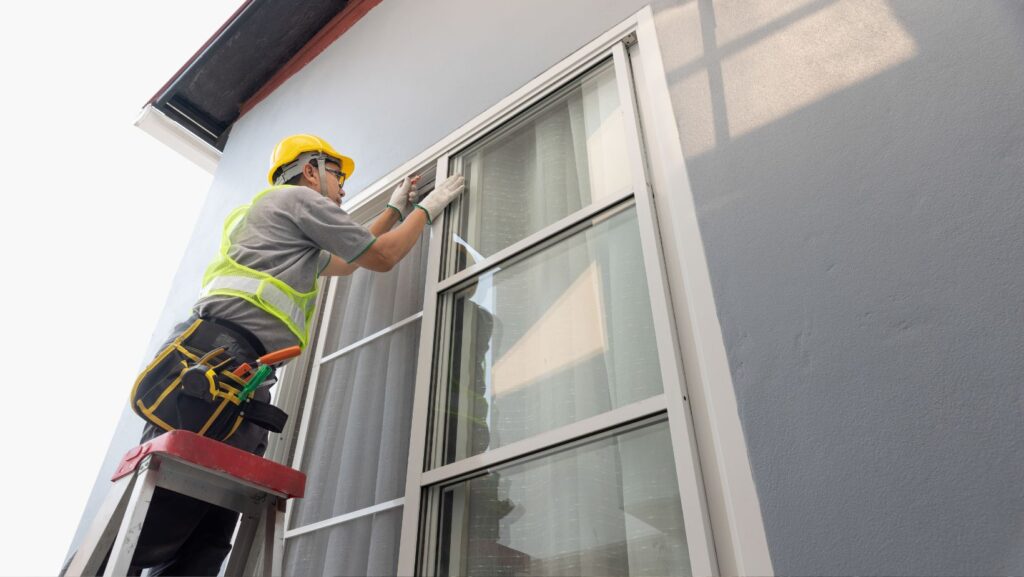
Glass is one of those building elements you rarely think about until it breaks. A cracked window, shattered storefront panel, or foggy insulated unit immediately changes how a space feels and functions. Beyond the obvious inconvenience, damaged glass affects safety, energy efficiency, security, and even insurance outcomes.
This guide is written for homeowners, landlords, property managers, and business owners who want clear, practical information about glass repair. It focuses on how damage happens, when repair is possible, when replacement makes more sense, and what steps to take the moment glass fails. The goal is education first, not sales, so you can make confident decisions when it counts.
Why Glass Fails More Often Than People Expect
Glass is strong but not invincible. Modern architectural glass is engineered to handle pressure, temperature shifts, and daily wear, yet several common factors still cause failure.
Impact damage is the most obvious. Stray balls, debris during storms, break ins, or accidental hits with furniture or tools can instantly compromise a pane. Thermal stress is quieter but just as destructive. Rapid temperature changes cause glass to expand and contract. Over time, this stress can create cracks that seem to appear out of nowhere.
Installation issues also play a role. If glass is set too tightly in the frame or supported unevenly, it cannot flex as designed. Even small imperfections during installation may show up months or years later as cracks or seal failures.
Understanding the cause matters because it influences whether repair is viable or replacement is the safer option.
Repair vs Replacement: Knowing the Difference
Not all glass damage requires full replacement. The key is assessing the type and extent of the problem.
Minor chips and small cracks in single pane glass can sometimes be repaired. Specialized resins can stabilize the damage, improve appearance, and prevent spreading. This is more common in certain applications and less effective on large windows or safety glass.
Insulated glass units, often called double or triple pane windows, are different. If the seal fails and moisture forms between panes, repair options are limited. In most cases, replacing the insulated unit is the only way to restore performance.
Tempered and laminated safety glass also follow stricter rules. Once damaged, these products typically must be replaced to maintain safety standards.
A professional assessment helps determine the safest and most cost effective path forward without guesswork.
The Hidden Costs of Ignoring Broken Glass
Delaying glass repair can lead to problems far beyond aesthetics. From a safety standpoint, cracked glass is unpredictable. It can shatter under minimal pressure, increasing the risk of injury.
Energy efficiency is another concern. According to data from Natural Resources Canada, windows account for a significant portion of heat loss in residential buildings. Even small cracks or seal failures allow drafts and moisture intrusion, driving up heating and cooling costs.
Security also suffers. A damaged window or door panel is an open invitation for unauthorized entry. For businesses, this can affect inventory, liability, and insurance compliance.
Addressing glass issues promptly protects both people and property.
Immediate Steps After Glass Breakage
When glass breaks, safety comes first. Keep people and pets away from the area. If possible, carefully remove loose shards using protective gloves and eye protection. Do not attempt to tape over large cracks or shattered panes as a long term solution.
Temporary boarding or covering can help protect the opening from weather and intruders. However, these measures are short term by design. Proper glass repair or replacement should follow as soon as conditions allow.
In situations involving break ins, storms, or sudden structural failure, access to professional help is critical. Many property owners rely on services like 24/7 emergency window glass repair in Toronto to secure openings quickly while planning permanent repairs.
Residential Glass Repair: Common Scenarios
Homes experience glass damage in predictable ways. Windows near ground level are more vulnerable to impact. Patio doors and large picture windows face higher stress due to size and exposure.
Bathroom and kitchen glass often suffers from moisture related issues. Over time, seals degrade, leading to fogging or discoloration. Shower enclosures made from tempered glass can also fail due to edge damage or improper support.
In residential settings, matching the original glass type and thickness is essential. This maintains insulation values, appearance, and compliance with building codes.
Commercial Glass Repair: More Than Curb Appeal
For businesses, glass serves both functional and branding roles. Storefronts, office partitions, and entry doors create first impressions while providing visibility and security.
Commercial glass damage often requires faster response times. A broken storefront panel can disrupt operations and pose liability risks. Many insurers expect immediate action to mitigate further loss.
Data from Insurance Bureau of Canada shows that property damage claims related to vandalism and break ins remain a persistent issue for commercial properties. Prompt glass repair helps limit downtime and secondary damage.
Commercial repairs also involve specific safety standards. Tempered or laminated glass is frequently required, especially in doors and high traffic areas.
Materials Matter: Choosing the Right Glass
Glass is not a one size fits all product. Choosing the correct material improves durability and performance.
Float glass is common in basic applications but offers limited safety. Tempered glass is heat treated to increase strength and break into small, less dangerous pieces. Laminated glass uses a plastic interlayer that holds fragments together when broken, improving security and sound control.
Insulated glass units improve energy efficiency by trapping air or gas between panes. Low emissivity coatings further enhance thermal performance.
Selecting the right glass depends on location, usage, and building requirements. A knowledgeable repair professional can guide these decisions.
Preventive Measures That Actually Work
While not all glass damage is avoidable, certain steps reduce risk. Regular inspections help catch small issues before they worsen. Look for chips, frame movement, or condensation between panes.
Maintaining frames is equally important. Wood frames should be sealed against moisture. Aluminum and vinyl frames need proper drainage to prevent pressure buildup.
For businesses, security films and laminated glass add an extra layer of protection without changing appearance. These options are especially useful in high traffic or high risk areas.
Prevention costs far less than emergency replacement.
Working With a Glass Repair Professional
The quality of glass repair depends heavily on who performs the work. Experience with different glass types, accurate measurement, and proper installation techniques all matter.
A professional assessment should include an explanation of repair versus replacement options, material choices, and realistic timelines. Clear communication builds trust and ensures the finished result meets safety and performance standards.
Avoid quick fixes that ignore underlying issues. Proper glass repair restores integrity, not just appearance.
Final Thoughts
Glass repair is about more than fixing what is broken. It is about restoring safety, efficiency, and peace of mind. Whether dealing with a small residential crack or a large commercial break, timely action and informed decisions make all the difference.
By understanding how glass fails, when repair is possible, and why professional evaluation matters, property owners can respond confidently when damage occurs. Glass may be fragile, but the right approach to repair is anything but.