
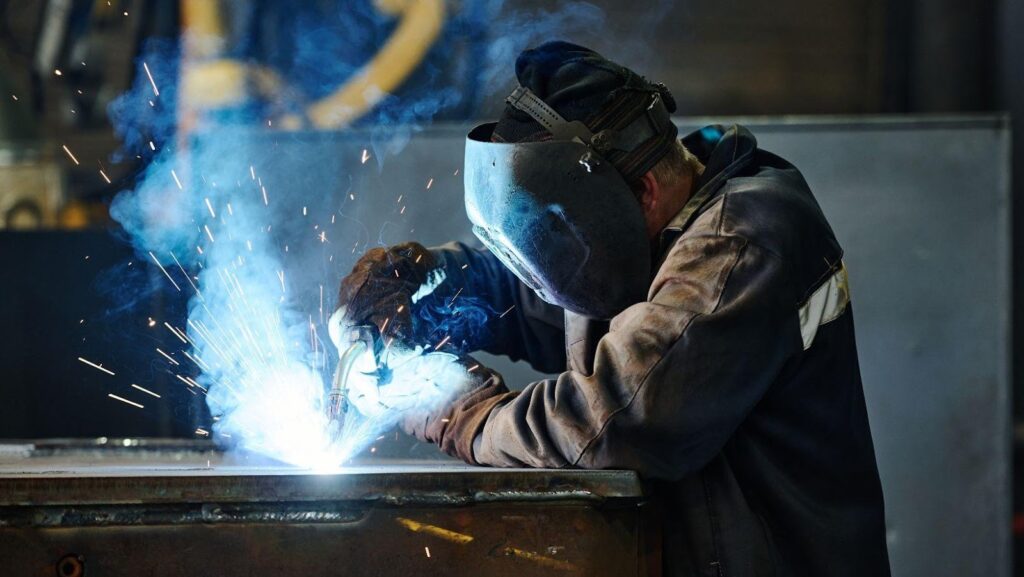
In industrial environments, especially welding and manufacturing facilities, managing air quality is a critical concern. The process of welding, cutting, and other manufacturing activities often generates harmful fumes, smoke, and particulate matter that can pose significant health risks to workers. As such, ensuring effective ventilation becomes a key aspect of maintaining a safe, compliant, and productive workspace. Industrial fans, particularly those designed for fume extraction, play a pivotal role in keeping air clean and breathable. In this article, we will explore the importance of industrial fans in welding and manufacturing environments, their benefits, and the different types of fans that can be used for removing fumes and smoke effectively.
The Importance of Air Quality in Welding and Manufacturing Environments
Welding and manufacturing processes typically release a wide array of hazardous pollutants into the air, including metal fumes, gases, and smoke. These byproducts can have severe health consequences for workers exposed to them over time, including respiratory issues, lung disease, and even cancer. The American National Standards Institute (ANSI) and Occupational Safety and Health Administration (OSHA) both emphasize the importance of controlling exposure to airborne contaminants.
According to OSHA, welding fumes are a mixture of metals and gases that, if inhaled, can lead to conditions like “metal fume fever” and chronic lung diseases. In fact, exposure to certain metal fumes has been linked to an increased risk of lung cancer, particularly when working with materials like chromium and nickel. This underscores the importance of having a robust ventilation system in place that can quickly and effectively remove harmful substances from the air.
The Role of Industrial Fans in Fume Removal
Industrial fans direct the flow of air and improve ventilation, making them an essential component in managing indoor air quality. These fans are designed to meet the specific needs of industrial applications, such as welding and manufacturing, where high-powered extraction is necessary to keep the air clean. Whether used as part of a larger ventilation system or as standalone units, industrial fans are engineered to efficiently remove fumes and smoke from workspaces, reducing the risk of worker exposure to dangerous airborne pollutants. According to Industrial Fans Direct, selecting the right fan type for fume and smoke removal plays a critical role in maintaining safe and breathable work environments.
One of the primary functions of industrial fans in these settings is to create a flow of air that captures and carries away hazardous particles, ensuring that fresh, clean air is constantly available. In welding operations, for instance, fans can be strategically placed to exhaust smoke and fumes generated by welding arcs and cutting tools. This helps to protect workers from inhaling hazardous substances while maintaining compliance with OSHA’s air quality regulations.
Types of Industrial Fans for Fume Extraction
Industrial fans come in many different types, each designed to suit specific needs and configurations within welding and manufacturing facilities. Understanding the types of fans available can help facility managers select the most effective solutions for their operations.
1. Axial Fans
Axial fans are the most commonly used type of industrial fan in ventilation applications. They are ideal for applications where large volumes of air need to be moved with relatively low pressure. In welding and manufacturing facilities, axial fans can be used to extract fumes and smoke efficiently over a large area. They are particularly well-suited for continuous operation and are available in various sizes and configurations to accommodate the specific airflow requirements of a facility.
2. Centrifugal Fans
Centrifugal fans, in contrast to axial fans, are designed to move air at higher pressures. These fans are often used in situations where air needs to be moved through long ducts or where additional force is needed to remove smoke and fumes from confined spaces. In welding and manufacturing facilities, centrifugal fans can be employed to capture and expel air through a filtration system, helping to ensure that fumes are effectively removed before being discharged into the environment.
3. Fume Extractors
Fume extractors are specialized fans designed specifically for the extraction of welding fumes. They are typically equipped with highly effective filters to capture fine particulates and gases before they can be released into the environment. These fans are often portable and can be placed directly at the source of fume generation, providing targeted extraction. Fume extractors are commonly used in areas with confined or localized welding work, where a high concentration of fumes can accumulate quickly.
4. Exhaust Fans
Exhaust fans are designed to expel air from a facility, helping to create a negative pressure environment that draws fresh air into the space. They are commonly used in larger welding and manufacturing facilities where air exchange is necessary to maintain proper ventilation. By removing warm, contaminated air, exhaust fans help to prevent the buildup of toxic fumes and smoke that can degrade air quality.
Key Factors to Consider When Choosing Industrial Fans for Fume Removal
When selecting industrial fans for fume removal in welding and manufacturing facilities, several factors must be taken into account to ensure optimal performance. These factors include the size of the facility, the type of work being done, and the specific hazards present in the environment.
1. Airflow Capacity
Airflow capacity is one of the most important considerations when choosing industrial fans. It is critical to select a fan that can provide enough air movement to efficiently clear fumes and smoke from the workspace. Airflow is typically measured in cubic feet per minute (CFM) or liters per second (L/s), and the required capacity will depend on the size of the area being ventilated, the number of workers, and the intensity of the work being performed.
2. Fan Efficiency
Efficiency is another key consideration. High-efficiency fans consume less energy while providing effective air movement, helping to reduce operating costs and environmental impact. It is important to look for fans that are specifically designed for industrial applications and built to handle the high demands of fume extraction without sacrificing performance.
3. Durability and Maintenance Requirements
Industrial fans must be durable enough to withstand the rigors of continuous operation in harsh environments. In welding and manufacturing facilities, where exposure to high temperatures, dust, and other contaminants is common, it is essential to choose fans that are built to last. Regular maintenance is also necessary to ensure that fans continue to operate effectively, so it is important to consider the ease of maintenance when selecting a system.
4. Noise Levels
In a busy manufacturing or welding facility, noise can become a significant issue. Excessive noise can interfere with communication and reduce worker productivity. Therefore, choosing fans with low noise output is essential to maintain a comfortable working environment. Many modern industrial fans are designed with noise reduction in mind, offering quieter operation while still providing powerful airflow.
Benefits of Industrial Fans for Fume Removal
The use of industrial fans for fume removal offers numerous benefits, not only in terms of health and safety but also in operational efficiency and regulatory compliance.
1. Health and Safety
The primary benefit of using industrial fans in welding and manufacturing facilities is the protection of worker health. By removing harmful fumes and smoke from the air, these fans help prevent respiratory issues, lung diseases, and other serious health problems caused by exposure to toxic airborne substances.
2. Regulatory Compliance
Adhering to OSHA regulations and other safety standards is a fundamental requirement for all manufacturing and welding facilities. Using industrial fans for fume extraction ensures that facilities comply with air quality standards and helps avoid costly fines or legal issues associated with non-compliance.
3. Improved Productivity
Cleaner air and a safer working environment can lead to increased productivity. When workers are not exposed to harmful fumes, they are less likely to suffer from fatigue, illness, or discomfort, which can disrupt their ability to work efficiently. Industrial fans help create a more comfortable atmosphere, allowing workers to focus on their tasks with fewer distractions.
4. Environmental Impact
By properly managing the ventilation in welding and manufacturing environments, industrial fans also help mitigate the environmental impact of industrial activities. Proper fume extraction prevents pollutants from being released into the atmosphere and contributes to overall environmental sustainability.
Conclusion
In welding and manufacturing facilities, air quality is a critical factor in worker safety and productivity. Industrial fans direct airflow efficiently to remove harmful fumes and smoke, helping to maintain a healthy, compliant, and productive workplace. Whether through axial fans, centrifugal fans, or specialized fume extractors, these ventilation systems play a crucial role in ensuring that workers are protected from the dangers of airborne contaminants. By carefully selecting the right type of industrial fan for the specific needs of a facility, companies can create a safer environment for their employees while meeting regulatory requirements and improving operational efficiency.
Incorporating industrial fans for fume removal not only ensures compliance with air quality standards but also promotes the long-term health and well-being of workers in welding and manufacturing environments.