
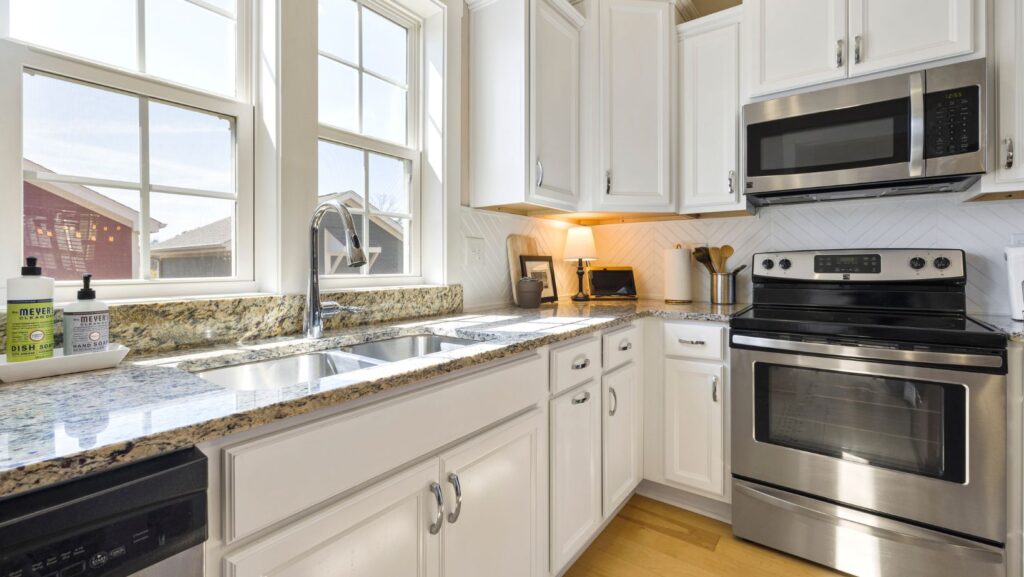
There is a specific kind of kitchen disappointment that does not show up in the photos but reveals itself the first week you live in the newly renovated space. The drawers are in the wrong place for how you cook. The island is one foot too wide and now everyone has to turn sideways to get past it. The beautiful range hood looks incredible but sounds like a jet engine on anything above the lowest setting. You love how it looks. You are already quietly frustrated by how it works.
These are not obscure problems. They are consistent patterns that experienced renovation designers have seen in project after project, almost always traceable to decisions that prioritized appearance over workflow at a stage in the process where the layout was still flexible and changes were still easy to make. The good news is that all of them are preventable with the right design conversation at the right time. The better news is that a kitchen can be both beautiful and genuinely functional, and getting one should not require sacrificing the other.
At SOSNA, custom kitchen renovation services start with a design process that takes the way you actually cook and live as seriously as the aesthetic direction you want to achieve. The result is a kitchen that looks exactly the way you imagined it and works exactly the way you need it to, every single day.
The Island That Is Too Big for the Space
Kitchen islands have become a near-universal renovation request, and they add genuine value to a kitchen when they are sized correctly for the room. The mistake happens when the island is designed to match an inspiration photo from a much larger kitchen without accounting for the actual clearance requirements in the specific room. The standard recommendation for traffic aisles around an island is a minimum of 90 centimetres, with 105 to 120 centimetres providing genuinely comfortable working and passing clearance.
An island that leaves less than 90 centimetres on any side creates a kitchen where two people cannot work simultaneously without constant negotiation of the space. It makes pulling out a lower drawer while someone is standing at the counter in the aisle nearly impossible. And it makes a kitchen that was supposed to be the heart of social cooking into a space where everyone except the cook is in the way. Measure the clearances with tape on the floor before committing to any island dimensions.
The Triangle That Is Not Actually a Triangle
The kitchen work triangle, the concept of an efficient relationship between the refrigerator, the sink, and the cooking surface, is a design principle that has been around long enough to become a cliche. But ignoring it entirely in favour of a layout driven purely by aesthetics consistently produces kitchens where the cook takes unnecessary steps between the three most-used zones of the room. The principle is sound even if the rigid rule has been updated by modern kitchen design thinking.
The more nuanced version of this principle is the work zone approach: designating specific zones for prep, cooking, cleaning, and storage, and ensuring that the items used in each zone are stored in that zone rather than across the kitchen. A cutting board that lives across the kitchen from the sink, knives stored three steps from the prep surface, and pots and pans on the opposite side of the room from the range are all spatial disconnects that the cook feels every single time they make a meal. These are design choices, not inevitable compromises.
Cabinets That Do Not Match How You Store Things
A beautifully designed cabinet layout that was created without understanding what the household actually owns and needs to store is a cabinet layout that will not function the way it should. Deep base cabinets with doors look substantial and store a large volume, but they require the homeowner to get down on the floor and reach to the back to access items stored there. The items at the back stop being used because the access barrier is too high in daily life.
Designing storage around actual items means knowing what goes where before the cabinetry is specified. How many baking sheets and cutting boards need vertical storage? What is the size and quantity of the pot collection? How many small appliances need counter-accessible homes? A kitchen designer who asks these questions in detail before specifying any cabinet configuration is designing a kitchen that works for the specific household. One who works from a standard template without that conversation is designing a kitchen for a hypothetical household.
Lighting That Makes the Kitchen Look Great in Showroom Conditions Only
Overhead lighting alone is inadequate for kitchen function, and it is one of the most consistently under-designed elements in residential kitchen renovations. A single overhead fixture or a grid of pot lights provides ambient illumination, but it casts shadows directly onto every horizontal work surface because the light source is above the person working. The result is that you are always working in your own shadow on the prep surface that the overhead lighting is supposed to illuminate.
Under-cabinet lighting eliminates this problem entirely by placing a light source directly over the counter surface rather than over the person working at it. It is not a luxury feature; it is a functional necessity for a kitchen that is genuinely comfortable to work in at any time of day. The time to plan and rough in under-cabinet lighting is during the renovation, when the electrical work is happening anyway and adding the run costs relatively little. Adding it after the renovation is complete is a significantly more disruptive and expensive undertaking.
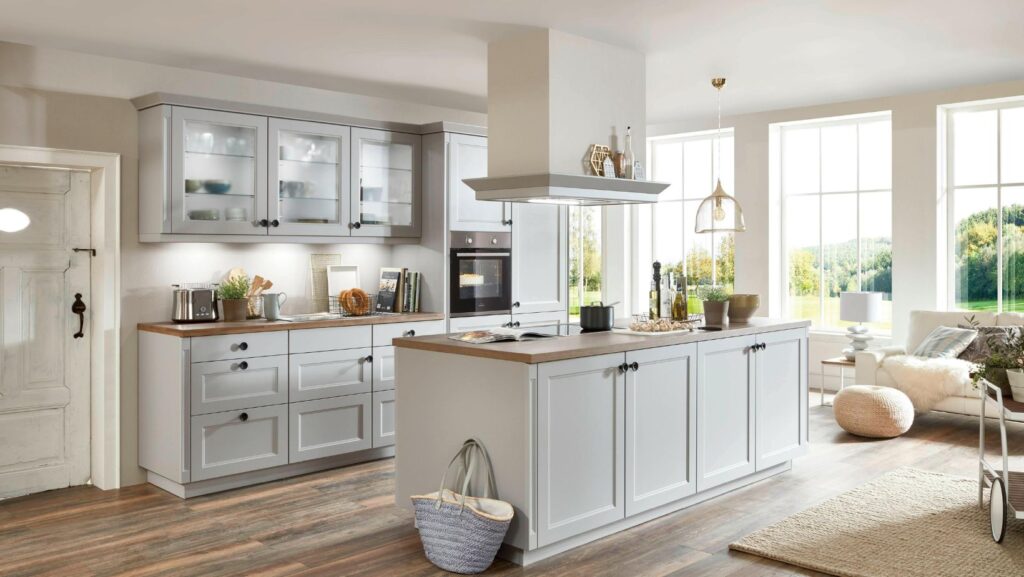
Ventilation That Cannot Handle the Cooking You Actually Do
Range hood specifications are often chosen on aesthetic grounds, with the cubic feet per minute rating treated as a secondary consideration. The result is a beautiful range hood over a gas range that cannot adequately ventilate the cooking the household actually does. Inadequate ventilation means cooking odours linger throughout the open-plan main floor, grease accumulates on surfaces faster, and the kitchen air quality during cooking is noticeably worse than it should be.
The CFM rating should be matched to the BTU output of the range or cooktop beneath it. Gas ranges require more ventilation capacity than electric or induction cooktops because gas combustion produces both heat and combustion byproducts that need to be extracted. A rough guideline is 100 CFM per 10,000 BTU of range output, with additional capacity for high-BTU professional-style ranges. The hood must also duct to the exterior, not to a recirculating filter, to actually remove heat, moisture, and odours from the kitchen.
The Countertop Material That Cannot Handle the Way You Cook
Countertop selection in kitchen renovations is often driven by what looks most impressive in the showroom, and the durability and maintenance characteristics of the material are sometimes treated as secondary concerns. This approach produces kitchens with gorgeous countertops that require constant maintenance, show every use mark, or need to be treated with unnecessary caution to preserve their appearance.
A household that cooks regularly and heavily, that sets hot pots directly on surfaces, that cuts without always using a board, or that does not want to think about sealing stone every year, needs a countertop material whose characteristics match those habits. Quartz is the material most consistently matched to active cooking households because it is non-porous, scratch and stain resistant, and requires no sealing or special maintenance. The design conversation about countertop selection should include honest disclosure of how the kitchen is actually used, not how it will ideally be used after the renovation.