
Today, video games have long moved beyond being mere entertainment in front of a monitor, evolving into a large-scale cultural and social phenomenon. A key factor sustaining the vitality, commercial success, and longevity of popular titles is their communities. International events — ranging from intimate festivals to stadium-scale tournaments — play a critical role in transforming fragmented players into a unified, active, and dedicated global ecosystem. Without these events, the gaming experience would remain isolated, and the relationship between developers and audiences would be purely transactional.
Esports Tournaments as a Catalyst for Global Unity
Top-tier esports competitions are the flagship events that bring together millions of viewers at home and in arenas. They create a shared emotional experience that unites people regardless of geography, language, or social background. When fans witness a dramatic victory or a heartbreaking defeat of their favorite team, they feel part of something far greater than the gameplay itself. This collective experience fuels active discussions of tactics, the creation of countless pieces of fan content, and the strengthening of social bonds within the community — bonds that often grow into friendships lasting many years.
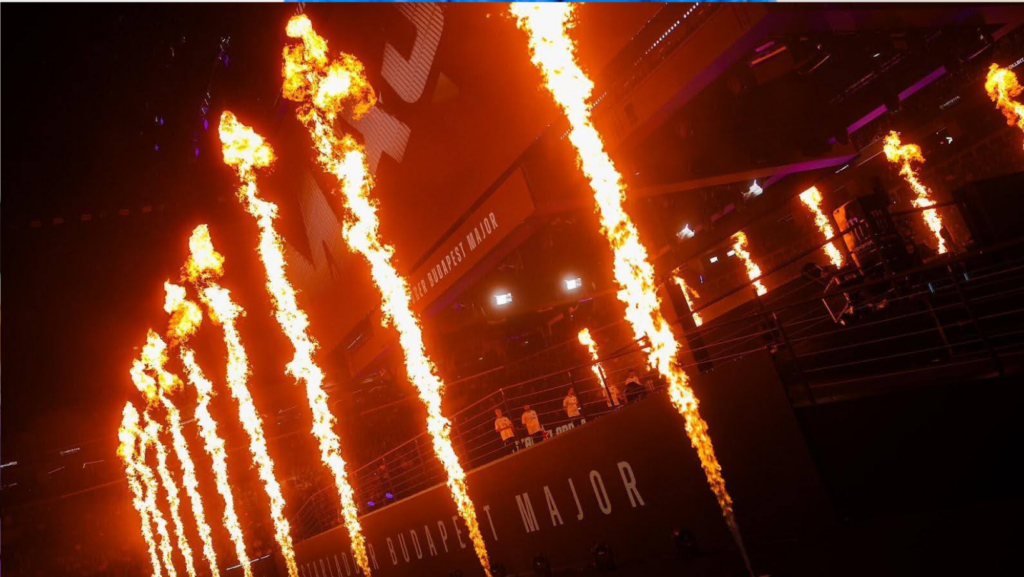
A special place in this process is held by the CS2 Major — an event that becomes a true celebration for millions of Counter-Strike fans. Such tournaments represent the culmination of the competitive cycle, where every match carries immense significance. They not only showcase the extraordinary skill of professional players but also directly engage casual players through in-game mechanics. Special items, team logo stickers, and Pick’Em predictions create an interactive bridge between spectators and the professional scene. This sense of participation in the game’s history turns the user from a passive consumer of content into an active participant in a global movement that sustains the discipline for decades.
Moreover, major esports events set standards for gaming culture as a whole. They shape in-game etiquette, popularize new strategies, and even give rise to specific slang that later becomes commonplace across the entire online community. Inspired by professional matches, players return to the game with renewed goals and a desire to improve. This creates a self-reinforcing cycle of engagement, where professional events fuel mass interest, and mass interest, in turn, provides the resources needed for the growth of the professional scene. In this way, major tournaments become the foundation upon which the entire social structure of a game rests.
Gaming Exhibitions and the Value of Physical Interaction
While gaming communities primarily exist in digital spaces, physical events such as Gamescom, PAX, or Tokyo Game Show give them a vital “human face.” In a world where most social interactions occur through text chats or voice channels, the opportunity to meet developers and fellow players in person builds a strong foundation of trust and brand loyalty. Offline events allow players to move beyond anonymous nicknames and feel part of a real, living group of people united by shared interests.
These exhibitions often feature panel discussions, Q&A sessions, and behind-closed-doors presentations. This creates a sense of exclusivity and reinforces the importance of every attendee. When developers communicate directly with fans, explaining their decisions or sharing future plans, the distance between corporation and consumer is significantly reduced. This feedback loop is critical for the long-term survival of online projects, as it helps identify dissatisfaction early and transform it into constructive collaboration. Players who feel heard often become the most loyal ambassadors of the game.
Beyond official programming, exhibitions are breeding grounds for numerous subcultures within gaming. Cosplay, fan art, amateur tournaments, and real-life guild meetups all thrive thanks to major international events. This creates a multi-layered community structure where everyone can find their place — from professional players to artists or passionate supporters. Physical attendance at an event energizes participants for months ahead, motivating them to remain active online and to bring friends and acquaintances into the gaming world.
Cultural Exchange and the Breaking of Borders in the Digital Space
International events enable an unprecedented level of cultural exchange rarely seen in other industries. When players from different continents — from Brazil to South Korea — compete or collaborate on the same stage, they are compelled to understand each other’s communication styles and mentalities. This breaks down geopolitical stereotypes and fosters an inclusive environment where skill, reaction speed, and teamwork are the primary values. Gaming becomes a universal language that effectively erases national borders.
Furthermore, major events often serve as platforms for showcasing local gaming cultures. For example, Eastern European esports schools may clash with Asian approaches, creating not only compelling competition but also mutual adoption of best practices. This allows niche projects to gain global recognition while exposing global audiences to ideas they might never encounter within their own regions. International events act as a massive “melting pot” where shared ethical norms and behavioral standards are formed and later adopted by the global community.
An equally important aspect is the development of empathy. By witnessing the emotions of players from across the world during live broadcasts, users begin to see them not as abstract opponents but as real people. This significantly reduces toxicity in online games. When communities observe mutual respect among top players on the international stage, it sets a positive example for everyday ranked matches. In this way, international events serve as a form of “soft power,” nurturing a more civilized and open generation of digital citizens.
The Impact of Streaming Technologies on Community Growth
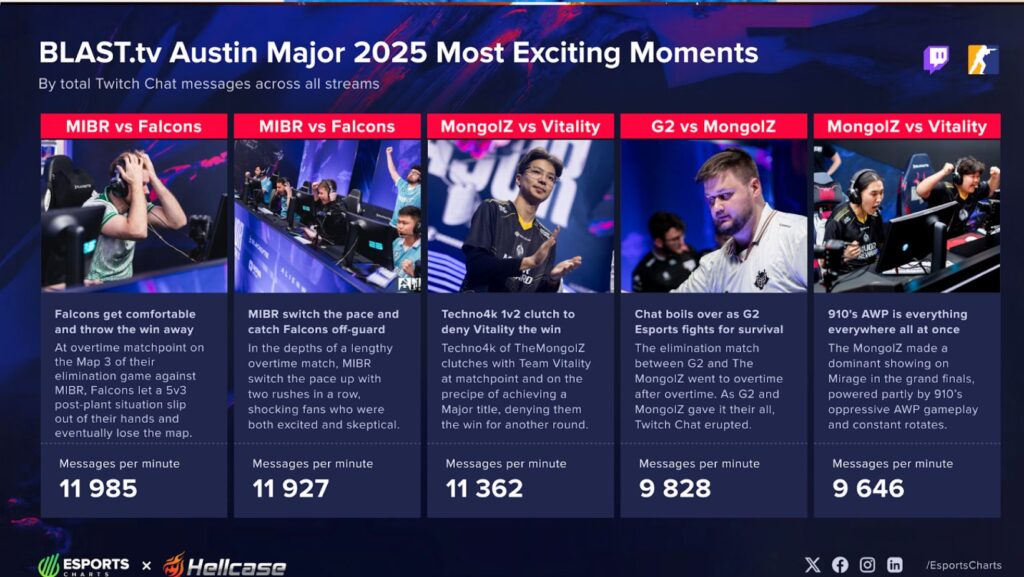
It is impossible to overstate the role of modern media platforms in amplifying the reach of international events. Thanks to Twitch, YouTube, and similar services, even those unable to attend physically due to financial or geographic constraints can become full participants. Interactive chats, where thousands react simultaneously to live moments, create a unique “digital stadium” effect. This shared experience strengthens group identity and makes players feel part of a global network.
Streaming platforms also expand the context of events. Commentators, analysts, and content creators produce supplementary material that explains complex moments and adds entertainment value. This lowers the entry barrier for newcomers. Someone with no prior interest in a game may stumble upon a vibrant international final, become captivated by the atmosphere, and ultimately join the community. Thus, events become the most powerful marketing tool — not through direct advertising, but through immersive experiences.
Technological progress, including virtual and augmented reality, promises to deepen this connection even further. Virtual exhibition halls and 360-degree broadcasts already exist, allowing viewers to virtually “stand” next to their idols during decisive moments. This level of immersion makes the bond between player and game nearly inseparable. Ultimately, streaming technologies transform one-time events into a continuous content flow that keeps communities engaged year-round, preventing interest from fading.
Conclusion
International events are essential to the health of modern gaming communities. They go beyond marketing, acting as social frameworks that unite millions around shared experiences. From major esports championships to industry exhibitions, these events foster cohesion, reduce cultural and linguistic barriers, and transform games into platforms for global dialogue. As a result, video games remain dynamic, relevant, and capable of inspiring new generations worldwide.