

How Injectables Support Facial Appearance
Injectable treatments provide targeted solutions for wrinkles, fine lines, and areas of facial volume loss. Certain injections relax muscles to soften expression lines while others restore fullness to areas like the cheeks, lips, and under-eye hollows. Some products function by temporarily blocking nerve signals, while others occupy space or encourage natural collagen production. The combination of these mechanisms allows practitioners to address multiple concerns with precision while keeping natural expressions intact.
Muscle-relaxing injections generally begin reducing lines within a few days. They are particularly effective on dynamic areas such as the forehead, frown lines, and around the eyes. Volumizing treatments add tissue where thinning has occurred, and some collagen-stimulating products gradually improve skin density and elasticity. Choosing the right injection requires evaluating facial anatomy, desired results, and how subtle or noticeable the changes should be.
Areas Commonly Treated
Forehead lines, glabellar wrinkles, and crow’s feet are typical targets for muscle-relaxing injections. Volumizing injections are applied to cheeks, lips, nasolabial folds, and under-eye hollows. Loss of midface volume, changes along the jawline, and sagging in these regions can result from aging, weight fluctuations, or genetics. Treatments aim to restore facial balance and symmetry while maintaining natural contours and expression.
Doctors assess bone structure, fat distribution, and skin quality before deciding where to inject. This analysis ensures precise placement and reduces the risk of overcorrection. A well-planned treatment sequence allows multiple areas to be addressed while preserving proportionality and maintaining movement in the face.
Treatment Procedure and Expectations
Treatment sessions usually last between 30 and 60 minutes. The skin is cleaned and numbed with a topical anesthetic. Needles or cannulas deliver the product to the designated areas, and careful distribution ensures smooth contours. Patients are advised to avoid pressing on the treated areas or engaging in strenuous activity immediately afterward. Cold compresses can help reduce swelling, and minor redness or bruising typically resolves within a few days. Serious complications such as vascular blockage are uncommon but require immediate attention.
Post-procedure care is essential for optimal outcomes. Limiting pressure on the treated areas allows the product to settle naturally. Following instructions from the practitioner ensures predictable results and reduces the likelihood of side effects.
Types of Injectable Products
Muscle-relaxing injections reduce the activity of facial muscles responsible for dynamic wrinkles. The effects generally last three to six months, although individual metabolism and activity levels influence duration. These injections allow lines to soften without affecting natural movement, creating a more relaxed appearance.
Volumizing injections restore lost tissue and help redefine contours. Hyaluronic acid attracts water to increase volume in treated areas. Calcium hydroxylapatite supports deeper structures such as the cheeks and jawline. Poly-L-lactic acid gradually stimulates collagen production, improving skin thickness over time. Hyaluronic acid typically lasts six to eighteen months, while alternatives like calcium hydroxylapatite and poly-L-lactic acid can remain effective for up to two years. Combining muscle-relaxing and volumizing injections allows simultaneous correction of wrinkles and loss of volume.
Specialized Fillers for Subtle Volume
Certain injectable products are designed to integrate smoothly with facial tissue. Belotero dermal fillers offer controlled correction for fine lines, lip volume, and under-eye hollows. Their formulation allows practitioners to create subtle, natural adjustments without changing expression. Careful selection and placement ensure safe and long-lasting outcomes, particularly in sensitive or delicate areas.
Practitioner Expertise
Licensed professionals must have in-depth knowledge of facial anatomy, injection techniques, and complication management. Patient history, previous cosmetic procedures, and potential risk factors are reviewed before any treatment. Practitioners discuss realistic outcomes and guide patients in choosing products that match their facial structure and goals. Proper technique, storage, and handling of products are critical to maintaining effectiveness and safety.
Planning and Assessment
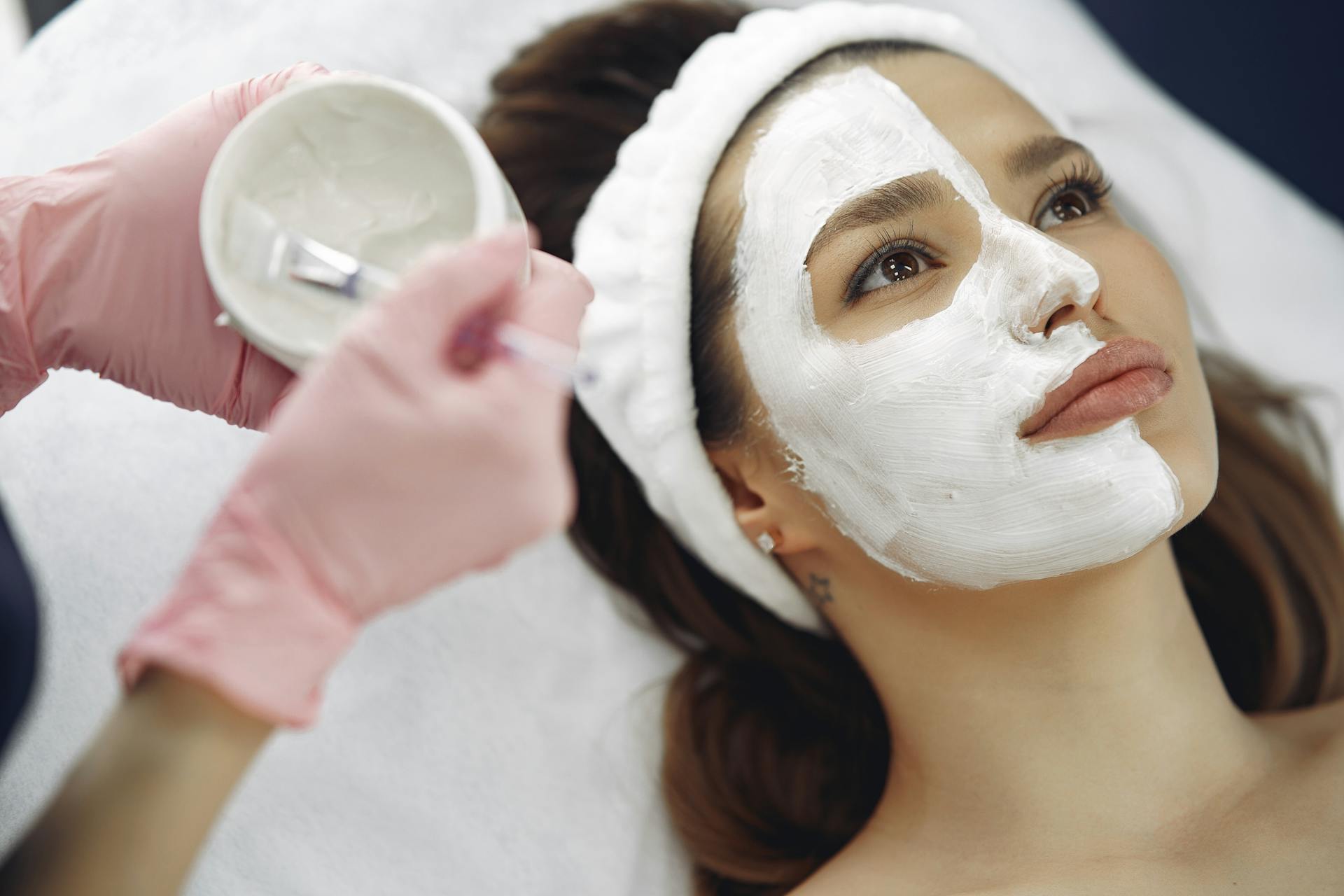
Detailed facial analysis is essential for consistent results. Practitioners examine bone structure, fat distribution, and skin quality to determine optimal injection sites. Imaging tools can assist in predicting outcomes and guiding precise placement. Treatments are planned with long-term facial changes in mind, ensuring results remain balanced as aging progresses. Combining wrinkle reduction and volume restoration requires careful coordination to maintain natural expression.
Follow-up appointments allow adjustments based on changes in volume or skin elasticity. This ensures symmetry, prevents overcorrection, and maintains consistent results over time. Each session becomes part of a structured plan rather than an isolated procedure.
Recovery and Maintenance
Recovery involves mild swelling, redness, or bruising that usually resolves within a few days. Avoiding pressure, heat, and strenuous activity supports tissue recovery. Hydration and cold compresses can assist healing and improve comfort.
Muscle-relaxing injections typically require repeat treatments every three to six months. Volumizing injections may last up to two years depending on the product and patient. Follow-ups restore fading volume and adjust for natural changes in the face. Regular monitoring of skin condition and facial contours ensures the results remain consistent.
Safety Considerations
Injectables are generally safe but may cause minor side effects such as swelling, bruising, or tenderness. Rarely, complications may involve blood vessels. Patients with active infections, immune deficiencies, or known sensitivities may be advised against treatment.
Injectables cannot correct severe sagging or significant bone loss. Muscle-relaxing injections soften dynamic lines, while volumizing injections restore contours and fullness. Surgical intervention may be required for structural support that injectables cannot provide. Careful planning and adherence to professional guidance reduce risks and ensure predictable outcomes.
Combining Treatments
Non-surgical treatments can be combined with non-invasive procedures like lasers, chemical peels, or microneedling to improve skin texture and tone. Coordinated scheduling preserves facial symmetry and prevents overcorrection. Each procedure complements the others, helping maintain natural expression while addressing multiple skin concerns.
This integration allows practitioners to manage wrinkles, restore volume, and refine contours without invasive surgery. Planning ensures treatments adapt to facial changes over time and remain proportionate.
Lifestyle and Long-Term Results
Sun exposure, hydration, diet, and stress all influence skin health and the effectiveness of injectables. Protecting the skin and supporting underlying tissue improves outcomes. Regular consultations with practitioners allow adjustments to treatment plans as facial structure and skin condition change with age.
Attention to these factors supports longer-lasting results. Hydration, proper nutrition, sun protection, and stress management help maintain smooth skin and facial balance. Continuous monitoring ensures treatments remain safe, predictable, and effective.
Ongoing Assessment
Routine follow-up visits allow practitioners to track changes in facial volume, skin quality, and contour. Adjustments can be made as needed to maintain consistent results. Strategic planning supports immediate outcomes while preparing for long-term changes, ensuring natural expression and proportionality remain intact.
Professional guidance, patient adherence, and regular monitoring allow injectable treatments to restore volume, soften lines, and refine contours with minimal risk. Over time, careful management preserves facial balance while maintaining natural expression.