
Unanticipated power outages are an uncomfortable reality that many homeowners face at some point. These sudden interruptions can unexpectedly transform your efficient, electrically powered life into a chaotic inconvenience.
In these scenarios, a home generator can help facilitate the uninterrupted operation of vital home appliances. This guide will help you determine the size generator your home might require, so you can prepare for anything life throws your way.
Why Do You Need a Home Generator?
One reason to invest in home generators is to ensure power outages don’t disrupt your usual routine. From heating, lighting, and refrigeration to maintaining internet connectivity, the absence of electricity can cause significant distress.
Investing in a home generator ensures you’re prepared for situations like storms or scheduled outages, providing a continuous power supply for cooking meals, keeping the lights on, and maintaining a comfortable indoor temperature.
What Is a Home Generator?
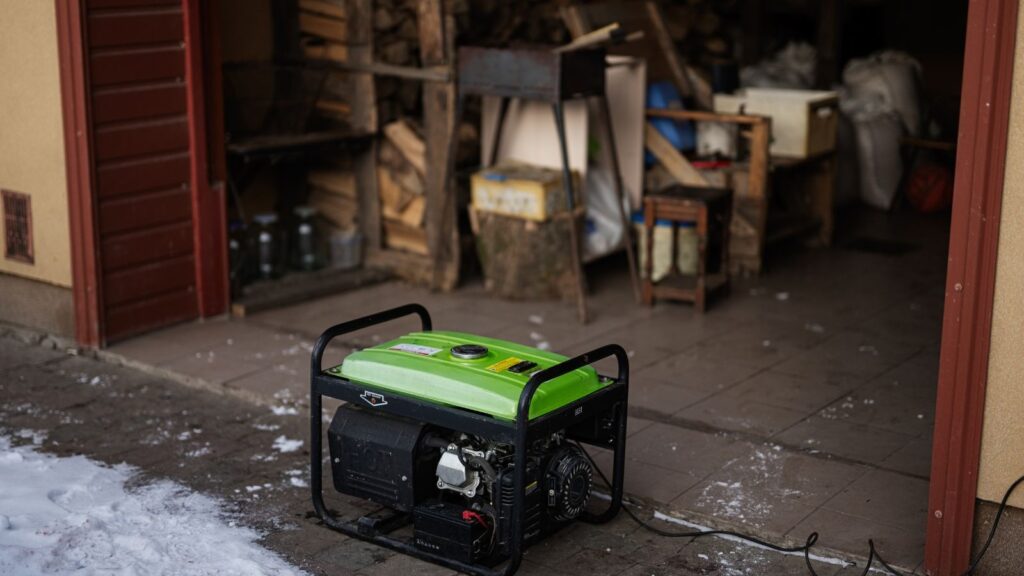
Generators convert mechanical energy into electrical energy, which can be used to power your home. Two key types dominate the market: portable generators and standby generators. A portable generator is handy during temporary power outages or while camping. They’re manually operated and issue rated power at 120 volts, typically enough to run essential appliances.
Standby generators, on the other hand, are permanently installed and can automatically supply power in the event of a power cut. They provide enough power supply for your entire home.
While speaking about generators, you’ll often hear terms like wattage and load. Wattage refers to the power that generators can produce and is used to measure a generator’s size. Load is the amount of power drawn by your home’s electrical appliances. Selecting a generator entails ensuring its wattage capacity matches your home’s load requirements during a power outage.
Key Factors To Determine the Size of Your Home Generator
When deciding on the size of your home generator, you’ll need to consider several key aspects, including your house’s square footage, the complexity of the installation, and the number of appliances you want to power. Oftentimes, a local dealer can provide recommendations during a personalized in-home consultation. Their decision may include the following:
Energy Needs
Identify the appliances that are essential to your comfort and daily activities. This could include your refrigerator, HVAC system, lighting, or computer. Some people may want to back up their entire home, while others may just want to back up the essentials.
Once they know which appliances will need to be backed up, they may check the power each of these appliances needs to function. This will often be specified in watts on their rating plate. The cumulative power needed for all your essential gadgets will help finalize the wattage your generator must provide.
Home Size
The size of your house also plays a role. Larger houses often have more appliances and typically use more energy. For many people, the priority should be essential appliances, not supplying power to their entire house.
Structuring your decision-making around these key factors provides a more accurate understanding of the type of generator that best suits your needs. After all, it’s better to size up your needs before the power goes down, and you’re left in the dark.
What Generator Features Should You Look For?
Once you’ve determined the size of your generator, it’s worth understanding a few additional features that could influence your choice.
The fuel type is a significant factor. Generators might run on gasoline, diesel, propane, or natural gas. Gasoline, though commonly available, has a shorter shelf life and might not be the most reliable in a crisis. Diesel and propane generators have a longer shelf life, while natural gas generators can provide a virtually endless power supply if you have a continuous pipeline.
Noise level is another feature to consider. Some generators operate more quietly than others. Depending on where your generator is placed, a quieter model might be beneficial to avoid disturbing your family or neighbors, particularly during nighttime usage.
Conquering Power Outages With the Right Home Generator
Choosing a generator for your home involves several factors, chief among them being the correct sizing. By determining your home’s power needs in terms of both starting and running wattage, you can better estimate the size generator necessary to keep your essential appliances up and running during a power outage.
Your decision can make the difference between flickering lights and a calm evening during a power outage. Remember, the right size generator is your ticket to worry-free power supply whenever the grid lets you down.