
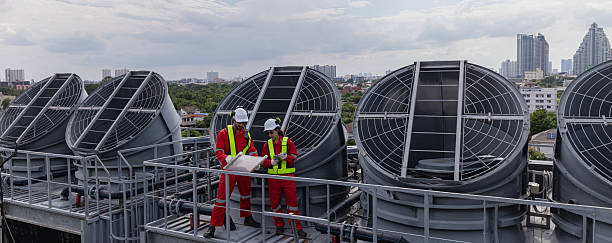
Have you ever asked how factories and large workspaces stay fresh, comfortable, and safe even with machines running all day?
Industrial ventilation may look simple from the outside, but behind it, many smart tech ideas work together to keep air clean and movement smooth. When planned well, ventilation supports workers, improves workflow, and keeps the space feeling balanced and healthy.
Understanding the purpose of industrial ventilation
Industrial ventilation focuses on moving air in the right way and at the right speed. It helps control temperature, supports clean airflow, and creates a pleasant working setting. Good planning always starts with understanding how air should move inside a facility and how tech supports that goal.
Airflow analysis systems
Airflow analysis tools help planners study how air moves inside large spaces. These systems use digital models, including 3d bim modeling services, to show air direction, speed, and circulation patterns in a clear and practical way. With this clear picture, ventilation layouts become more accurate and easier to plan. It helps make sure fresh air reaches all corners and stays consistent throughout the area.
Heat load calculation tools
Factories often generate heat due to machines and human activity. Heat load calculation tools help estimate how much heat is produced in each zone. With this data, ventilation systems are planned to balance indoor temperature properly. This supports comfort and smooth operations.
Space usage mapping
Modern planning tools allow teams to map how different areas are used. This includes workstations, storage zones, and pathways. When ventilation is planned using this information, airflow matches real usage needs and supports daily work without interruption.
Fan and air movement technologies
Fans play a central role in industrial ventilation. Modern fan systems focus on controlled airflow, energy balance, and long-term reliability.
Variable speed fan systems
Variable-speed fans adjust airflow based on real-time needs. Instead of running at full speed all the time, they respond to temperature and air quality levels, often working alongside components like a butterfly valve to control air volume smoothly. This approach supports steady airflow and efficient energy use while maintaining comfort.
High-volume low-speed fans
Large spaces benefit from high-volume low-speed fans. These fans move large amounts of air gently across wide areas. They help maintain even air distribution and reduce hot spots, making work areas more pleasant.
Directional airflow controls
Directional controls guide air exactly where it is needed. By adjusting fan angles and flow paths, ventilation planners make sure fresh air reaches working zones and exits smoothly. This creates balanced circulation across the facility.
Filtration and air quality technologies
Clean air is essential in industrial spaces. Modern filtration systems focus on removing dust, particles, and unwanted elements from the air.
Advanced filter systems
Modern filters are built to capture fine particles while allowing smooth airflow. These systems support cleaner indoor air and help maintain a comfortable environment for workers throughout the day.
Multi-stage filtration setups
Some facilities use layered filtration setups, where airflow is supported by equipment like barn fans to help move air smoothly through multiple filter stages, each handling a specific type of particle. This method supports consistent air quality and steady ventilation performance while keeping airflow balanced across the space.
Easy monitoring of filter health
Digital indicators now show when filters need attention. This helps maintenance teams keep systems running smoothly and ensures air quality stays stable.
Automation and control technologies
Automation adds simplicity and accuracy to industrial ventilation. These systems respond quickly to changes and support daily operations without constant manual input.
Sensor-based airflow control
Sensors track temperature, humidity, and air quality levels. Based on this data, ventilation systems adjust airflow automatically. This keeps conditions steady and supports worker comfort throughout shifts.
Centralized control panels
Central control panels allow teams to manage ventilation from one place. Operators can view system performance, adjust settings, and monitor conditions easily. This improves planning accuracy and daily management.
Smart scheduling systems
Ventilation schedules can match work hours and activity levels. Automated scheduling ensures airflow supports operations at the right time, creating a smooth routine inside the facility.
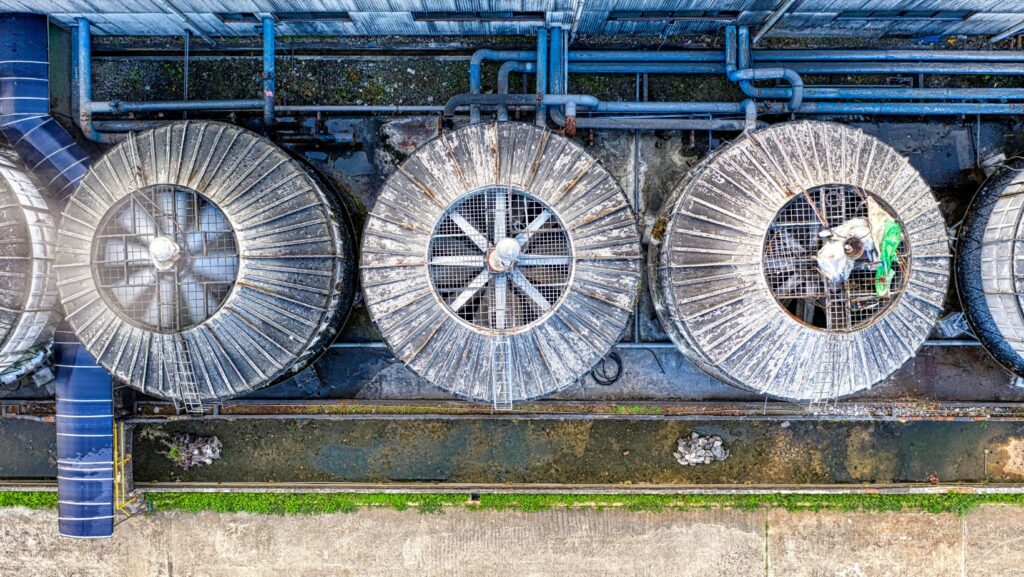
Duct design and airflow distribution tools
Duct systems guide air through industrial spaces. Modern design tools help create layouts that support smooth and efficient airflow.
Digital duct design software
Digital tools help planners design duct layouts that reduce resistance and support steady air movement. These tools allow easy testing of different designs before installation.
Balanced air distribution methods
Balanced distribution ensures each area receives the right amount of air. By adjusting duct size and placement, planners create uniform airflow that supports comfort across the space.
Noise control integration
Modern duct designs also consider sound control. Smooth airflow paths reduce noise, making the work setting more pleasant and focused.
Energy optimization technologies
Energy planning plays a key role in efficient ventilation. Modern tech helps manage energy use while maintaining strong airflow performance.
Energy recovery systems
Energy recovery systems reuse heat from outgoing air to support incoming air. This process helps maintain indoor comfort while supporting efficient energy use.
Real-time energy tracking
Digital energy tracking tools show how much energy ventilation systems use. This data helps teams fine-tune settings and maintain balanced operation.
Load balancing tools
Load balancing ensures ventilation systems work evenly across different zones. This supports steady airflow and consistent indoor conditions.
Integration with building management systems
Ventilation works best when connected with other building systems. Integration helps all systems communicate smoothly.
Unified system communication
Modern platforms allow ventilation to connect with lighting, temperature control, and safety systems. This coordination supports a balanced indoor environment.
Data-driven planning support
Collected data helps planners understand system performance over time. This insight supports informed decisions and future planning.
Easy adjustment features
Integrated systems allow quick adjustments based on daily needs. This flexibility supports smooth operations without disrupting workflow.
Human-focused design technologies
Ventilation planning also considers how people use the space. Tech supports comfort, clarity, and ease of movement.
Occupancy detection systems
Occupancy sensors track how many people are present in different zones. Ventilation adjusts airflow accordingly, keeping conditions pleasant throughout the day.
Comfort feedback tools
Some systems allow workers to share comfort feedback digitally. This information helps teams fine-tune airflow settings to match real needs.
Visual airflow planning
Visual planning tools show how air moves in real time. This helps planners explain ventilation concepts clearly and adjust layouts easily.
Long-term planning and future readiness
Efficient ventilation planning always looks ahead. Modern tech supports systems that remain useful and effective over time.
Scalable system designs
Scalable systems allow easy expansion as facilities grow. Ventilation can adapt without major changes, supporting long-term use.
Predictive maintenance tools
Predictive tools track system health and performance trends. This helps teams plan maintenance smoothly and keep systems running well.
Digital documentation systems
Digital records store ventilation layouts, settings, and updates. This supports easy reference and consistent system management.
Final Thoughts
Efficient industrial ventilation comes from thoughtful planning and the right use of modern tech. From airflow analysis to automation and human-focused design, each tool plays an important role. Together, these technologies help create workspaces that feel comfortable, organized, and supportive. When air moves smoothly and systems respond smartly, industrial spaces become easier to manage and more pleasant for everyone inside.