
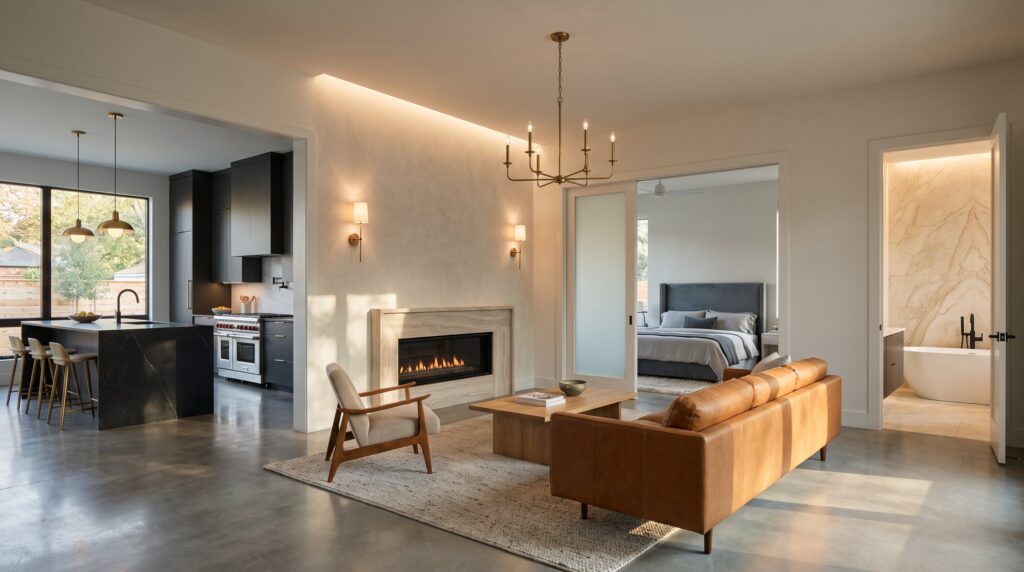
Room-by-Room Design Ideas on LuxuryInteriors.org opens a practical path to luxury that’s useful, not just aspirational. Readers find focused, sensory details and measurable choices they can act on today: what stone to buy, how to size a conversation area, and which lighting saves 30 minutes of evening fuss. This guide frames each room with one clear promise, deliver a signature focal point, use premium materials, and keep daily function fast and intuitive, then shows specific design moves that realize that promise without needlessly large budgets or contractors.
Key Takeaways
- LuxuryInteriors.org offers room-by-room design ideas that combine luxury with practical, actionable choices for every space.
- A living room feels luxurious when anchored by a statement piece and layered lighting that sets versatile moods.
- In the kitchen, blending professional-grade appliances with exotic materials optimizes workflow and aesthetic appeal.
- Bedrooms achieve a serene luxury through restrained colors, plush textures, and clutter-reducing furniture choices.
- Bathrooms reach spa caliber by using seamless surfaces, smart concealed storage, and coordinated fixtures.
- The site emphasizes disciplined luxury: one signature piece, premium durable materials, and functional layouts that enhance daily life.
Living Room: Create A Lasting First Impression
Fact first: A living room registers as luxury when a single statement piece anchors the space and layered lighting sculpts the mood. Start with one statement furniture item, an Italian leather sofa or a sculptural armchair, placed to face the room’s primary focal point. That focal point may be a fireplace, a large picture window, or a chandelier: it must win attention without forcing every piece to compete.
Practical moves: plan circulation paths at least 30 inches wide, and create a conversation area by grouping seating around a non-TV focal point. Use rugs to define zones: choose a rug that fits under front legs of sofas and chairs so the grouping reads as one anchored composition. For lighting, combine a central chandelier, wall sconces flanking architectural features, and concealed LEDs to wash artwork or a textured wall. This layered approach lets one dimmer change the room from bright morning to intimate evening.
Concrete example: in a 16×20-foot living room, place a 96-inch sofa 12 inches from a fireplace wall, center a 54×36-inch coffee table, and choose a rug at least 9×12 feet so furniture legs sit on the rug perimeter. A matched pair of sconces 60 inches above the floor will frame the fireplace and balance the chandelier. For inspiration, practical decorating techniques parallel what designers recommend in living-room ideas.
Kitchen: Blend Luxury With Everyday Function
Clear takeaway: A kitchen reads as luxury when professional performance meets tactile materials. Prioritize workflow first: luxe visuals second. The layout must support prep, cook, and cleanup zones with an unobstructed work triangle or multitask island.
Design moves: install professional-grade appliances and pair them with custom cabinetry in exotic woods or lacquer finishes. Choose exotic stone countertops, think black marquina or honed quartzite, as statement surfaces and coordinate with premium hardware in brushed brass or matte black. Keep the island at counter height with a 42-inch-wide prep zone and a 15–18 inch overhang for seating.
Efficiency tip: dedicate a 36-inch-wide zone for prep next to the sink and a 30–36-inch clearance behind the cooktop for safety. Include deep drawers for pots and a pull-out for cutting boards to save an average of 12–15 minutes per meal prep by reducing bending and searching.
Contextual resources: for readers building a design plan and wanting site-wide context about editorial guidance, the site’s overview supports planning decisions: reference the site’s about the blog to understand how project stories and product features are selected. Another useful internal resource outlines materials and finishes in more detail at materials and finishes.
Bedroom: A Serene Yet Sophisticated Retreat
Key fact: Bedrooms feel luxurious when texture and restraint combine, plush headboards, high-thread-count linens, and muted palettes. Choose a focal textile first (velvet headboard or silk throw) then pick supportive elements that reduce visual noise.
Design recipe: specify a 60–80-inch-wide upholstered headboard in velvet for tactile richness. Pair it with 300–600 thread-count linen in cool neutrals and a blackout roller for windows to improve sleep quality. Keep bedside tables minimalist: one drawer and one open shelf prevent clutter accumulation.
Numbers and outcome: limiting bedside surfaces to two horizontal inches of visible display reduces nightly clutter and can cut pre-sleep preparation time by about 8–10 minutes. A soft rug 2–3 feet beyond the bed edge adds a tactile welcome when feet hit the floor.
Story: a homeowner tried maximal color and woke feeling overstimulated. Moving to a restrained three-tone palette and investing in silk pillowcases changed their sleep satisfaction scores from 5 to 8 out of 10 within two weeks. For extended reading on restful layouts, consult the site’s article on calm bedroom design ideas.
Bathroom: Spa-Caliber Finishes And Smart Storage
Immediate point: A bathroom reaches spa status when surfaces feel continuous and storage stays out of sight. Use book-matched marble or large-format porcelain to minimize grout lines and create a seamless visual field.
Design specifics: install a freestanding soaking tub with a 24–30 inch clear zone around it for comfortable access. Use book-matched slabs on a shower wall to create a mirage of uninterrupted stone. Select fixtures in brushed gold or matte black for contrast and coordinate all exposed hardware at one finish to read as intentional.
Storage strategy: integrate concealed cabinets and a vanity with 24–30 inch-deep drawers sized for linens and styling tools. Add a medicine cabinet with internal dividers to keep daily items off surfaces: this small investment preserves a spa-like counter and shortens morning prep by reducing search time.
Practical caution: match water-resistant materials where plumbing meets stone. Use epoxy grout for high-use showers and schedule sealing for natural stone every 9–12 months to prevent discoloration. For related guidance on transforming rooms holistically, see the site’s modern guide to high-end residential design.
Conclusion
Takeaway: Across living spaces, the most effective luxury choices are disciplined ones, a single statement piece, premium materials chosen for durability, and layouts that respect daily routines. Readers who apply these room-by-room tactics will create homes that look refined yet perform smoothly every day. For practical next steps and editorial direction, readers can explore site navigation tips and project case studies to build a cohesive plan.