
Materials And Finishes Featured On LuxuryInteriors.org: A Curated Guide To Timeless Surfaces And Modern Techniques (2026)
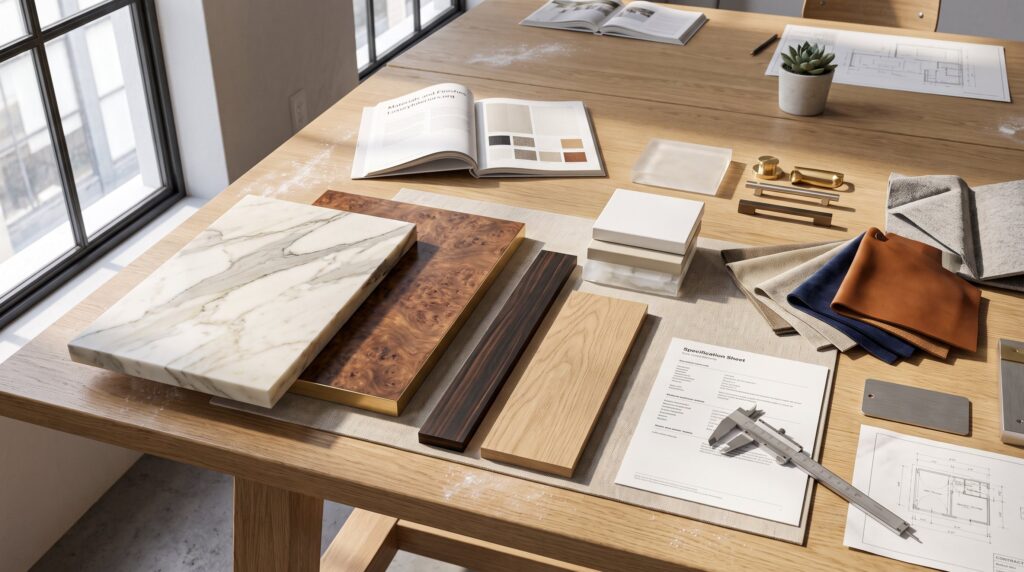
Materials and Finishes Featured on LuxuryInteriors.org appears at the top of this guide to orient readers toward premium surfaces and practical choices. The site focuses on high-end stones, woods, metals, textiles and specialty treatments used by designers and homeowners. This article explains how LuxuryInteriors.org selects features, what materials recur across its coverage, and which finishes deliver the strongest visual and functional results.
Key Takeaways
- LuxuryInteriors.org highlights premium materials like Calacatta marble, engineered quartz, and Macassar ebony veneers for their proven quality and distinctive appearances in luxury interiors.
- The site prioritizes traceable sourcing and detailed specifications, including stone thickness, alloy grades, and fabric durability, helping designers make informed material choices.
- Metals and finishes such as polished brass and hand-finished bronze are examined for longevity and visual impact, with practical guidance on installation and mixing tones.
- Textiles are featured based on performance metrics like Martindale rub counts and acoustic benefits, supporting both style and functional comfort in spaces.
- Specialty finishes and sustainability are addressed with maintenance tips and eco-conscious sourcing, emphasizing lifecycle impacts and practical care recommendations.
- Materials and finishes guide on LuxuryInteriors.org ensures selections combine aesthetic appeal with durability, enabling enduring luxury interior projects.
How LuxuryInteriors.org Chooses And Frames Materials Coverage
Fact: LuxuryInteriors.org prioritizes exceptional, project-ready materials that designers actually specify. The editorial team selects materials on three clear criteria: provenance and quality, distinct visual character, and real-world application in completed projects.
Editors favor documented sources, Italian quarries, certified mills, and recognized ateliers, so readers can track suppliers and technical specs. Coverage highlights measurable details: stone thickness, veneer backing type, alloy grade and fabric rub count. That practical specificity helps a designer decide whether Calacatta marble suits a vanity top or if a 1.2 mm wood veneer will survive high-traffic cabinetry.
Readers who want context on the site’s mission and topic clusters can consult a short guide to the blog’s scope. The article links naturally to the site overview, offering a direct path for those who want the editorial framework and topic mapping: site overview.
Practical note: the team also tests finishes in situ. They report on patina development, maintenance cycles, and installation tolerances. That means coverage is not theoretical, it’s grounded in projects, contractor feedback, and supplier data.
Stone, Marble, Engineered Surfaces And Wood Veneers — Selection, Uses, And Visual Impact
Insight: Stones and veneers set the tone of a room, they act as the primary visual statement and structural surface. LuxuryInteriors.org routinely features Calacatta marble for bathrooms, onyx for backlit bars, quartzite for fireplace surrounds, and Brazilian granite for resilient kitchen counters. The editorial notes precise traits, vein scale, translucency, and book-matching potential, so readers know how a slab will read at room scale.
Engineered surfaces are covered as commercial-grade alternatives. The site recommends certified quarry or certified manufacturer options when durability or consistency is required, such as for hotel lobbies or restaurant tabletops. Readers see explicit comparisons: a 12 mm engineered quartz slab versus a 20 mm honed marble slab, with notes on thermal tolerance and seam visibility.
Wood veneers get technical detail. Popular choices include European oak for wall panelling, Macassar ebony for accent cabinetry, and walnut burl for small furniture faces. LuxuryInteriors.org explains veneer application, rotary, sliced, and book-matching, and offers a linked resource on cabinetry materials to guide choices about doors and drawers: popular wood cabinets.
Example: a client used book-matched quartzite across a 6-meter reception wall: the pattern required four slabs and a coordinated seam strategy. The post documented slab IDs, seam placement, and installation tolerances so specifiers could replicate the effect.
Metals, Fixtures And Architectural Hardware — Finishes, Alloys, And Placement
Answer: Metals and hardware determine perceived warmth and craftsmanship. LuxuryInteriors.org catalogs finishes such as polished brass, hand-finished bronze, champagne gold and brushed nickel, and ties each finish to specific placements: polished brass for statement door hardware, brushed nickel for plumbing, and hand-finished bronze for bespoke cabinetry pulls.
The site gives alloy-level details, bronze composition and plating thickness, so readers understand longevity and patina behavior. For example, a hand-finished bronze pull with a 2.5-micron plating will age differently than a thin-coated brass knob. That level of detail informed a case study showing how hand-finished bronze hardware held up after two years in a coastal house: the article linked deeper to hardware benefits for those considering the finish: hand-finished bronze benefits.
Design guidance is practical: mix warm and cool metals sparingly, use warmer tones in intimate spaces, and reserve high-sheen metals for low-touch decorative elements. The site also covers timing for gold acquisitions and market seasonality, helpful for procurement planning, and links to a piece about planning gold finish purchases for big projects: gold finish timing.
Real-world caution: installers sometimes over-tighten soft-metal fixtures, which causes stress fractures or finish loss. The editorial recommends torque guidelines and test fittings before final assembly.
Textiles, Upholstery And Soft Finishes — Fabrics, Leathers, Rugs And Acoustic Treatments
Key point: Soft finishes shape comfort and acoustics as much as they shape style. LuxuryInteriors.org prioritizes fabrics with documented performance ratings, Martindale rub counts, abrasion resistance, and stain-lift values, alongside luxury fibers like silk, mohair, cashmere, and Italian leather.
The editorial explains where each textile excels. Belgian linen works well for tall drapery because it breathes and drapes: performance velvets are recommended for family rooms because they test above 45,000 rubs: Italian aniline leather is used for executive sofas and ages with a glassy patina. Rug choices come with pile height and density metrics so specifiers can match underlay, foot traffic, and acoustic goals.
Acoustic treatments are described as functional finishes rather than afterthoughts. Textured wallcoverings, wool panels, and heavy drapery reduce reverberation times, the site gives example metrics showing up to a 35% reduction in reverberation when adding 30 square meters of wool acoustic panels in an open-plan living space.
For practical planning, the article points readers to room-focused idea listings on the site when selecting textiles by function: room ideas.
Specialty Finishes, Sustainability Considerations And Practical Maintenance Tips
Direct insight: Specialty finishes create memorable moments, but they demand maintenance planning and sustainability checks. LuxuryInteriors.org features lime plaster, mother-of-pearl inlays, hand-painted murals, textured grasscloth, and metallic wallcoverings while pairing each with lifecycle notes and certified alternatives.
Sustainability coverage lists concrete measures: use certified stone (FSC or equivalent for wood), choose reclaimed timber for visible beams, and specify recycled-content fabrics when acoustic or secondary finishes are acceptable. The site quantifies impact when possible: switching to reclaimed wood for 25 square meters of panelling saves roughly 2.1 tonnes of embodied CO2 compared with new tropical hardwoods.
Maintenance tips are granular. For painted lime plaster, the editorial recommends a gentle PH-neutral wash and annual inspection for hairline cracks. For metallic wallcoverings or leaf gilding, the team advises avoiding ammonia cleaners and proposes touch-up kits for installers. For paint selection and surface prep, the article references authoritative buying guidance that verifies recommended primer and sheen choices: paint buying guide.
Honest note: a featured project once chose a custom iridescent wall finish without a maintenance plan: after six months water spots required delicate solvent cleaning. The post shares the remediation steps and a supplier-approved protective coat to prevent recurrence.
Conclusion
Takeaway: Materials and finishes define both visual identity and long-term performance in luxury interiors. LuxuryInteriors.org emphasizes traceable sourcing, measurable specifications, and installation realities so readers can make confident selections. When designers pair high-calibre stone, considered metals, and tested textiles with clear maintenance plans, the result is enduring interiors that perform as well as they look.