
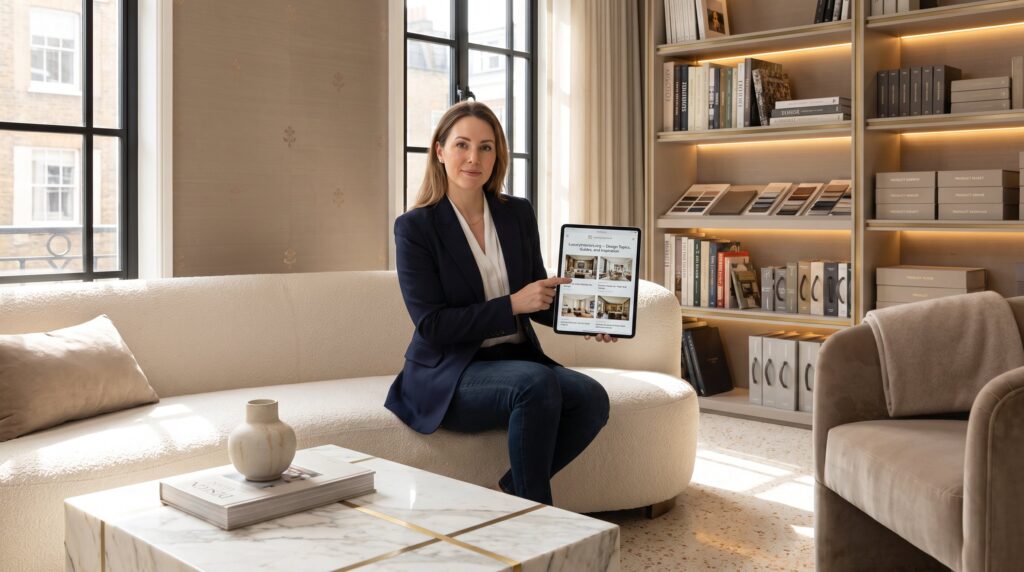
About the LuxuryInteriors.org Blog: Design Topics, Guides, and Inspiration opens the door to a focused resource for high-end interiors, architecture, and practical styling. The blog presents refined editorial voice plus hands-on how-to guidance for homeowners, designers, and enthusiasts. This introduction explains what readers will find and why the site matters in 2026: curated imagery, actionable room plans, product evaluations, and clear editorial perspective that balances luxury aesthetics with real-world execution.
Key Takeaways
- LuxuryInteriors.org is a specialized blog offering expert insights and practical guides on high-end interior and architectural design.
- The blog balances refined editorial content with clear, jargon-free how-to advice suitable for homeowners and professionals alike.
- Readers can access detailed room plans, product reviews, and curated galleries to inspire and support upscale design projects.
- Step-by-step guides distinguish between DIY tasks and professional services, providing tools, budgets, and common pitfalls to avoid.
- The site includes navigation features for saving ideas, building inspiration boards, and filtering content by room or style.
- Contributors must adhere to strict editorial standards, ensuring content originality, accurate product availability, and high-quality visuals.
What LuxuryInteriors.org Covers: Categories, Tone, And Editorial Focus
LuxuryInteriors.org focuses on high-end residential and commercial interiors with clear, authoritative coverage. The blog lists architecture, décor, luxury lifestyle, designer spotlights, product reviews, and bespoke finishes as its core categories. Readers will find focused articles on contemporary materials, exclusive furniture, and architectural details that matter in upscale projects.
The editorial tone stays refined and accessible. It aims for polished language without jargon so a homeowner can follow a specification as easily as a professional. For context and site background, the blog’s overview explains its mission and content pillars in more depth on the site’s about page. That page describes the audience, topical scope, and the blog’s approach to luxury design.
To see how the publication frames high-end home design as a practical discipline, readers can explore an inside guide to the blog’s coverage of decor and layout through the ultimate guide to high-end design. The site also keeps a running list of essential editorial standards and contributor expectations in a concise overview for writers and contributors at for-start-writing.
Practical Guides And How-To Content: What Readers Can Expect
Readers will find clear, step-by-step guides that answer a single practical question before adding context. For example: how to plan a living room layout, how to choose a marble finish, or how to style open shelving for a luxury kitchen. Each guide lists materials, time estimates, budget bands, and one common mistake to avoid, such as over-lighting a gallery wall and losing cohesion.
The blog treats DIY and professional tasks differently. Shorter DIY pieces give exact measurements, tools, and a time estimate: longer how-to articles show when to call a pro. One practical resource links to navigation tips so users can find room-focused how-tos quickly at the site’s dedicated walkthrough on how to navigate. That page helps readers filter by room, style, and finish.
LuxuryInteriors.org also links practical advice to authoritative references. For hands-on decorating techniques, the blog cites established guides like Bob Vila’s practical decorator primer for homeowners in articles that explain which tasks suit DIYers and which require trained tradespeople (decorator primer). This keeps recommendations grounded and safe: when the blog suggests refinishing a floor, it also notes the risk of uneven sanding and offers suggested contractor questions.
Design Inspiration, Trends, And Curated Features For Stylish Living
The blog opens each inspiration feature with a striking insight, what makes the room memorable, and then lists precise takeaways. Recent trend pieces identify specific materials and numbers: the rise of silk-backed wallpapers in 2025 with a 14% uptick in inquiries, or a renewed interest in terrazzo with color palettes noted in hex codes. Curated galleries show 12–18 high-resolution images per feature, each captioned with the designer, product, and finish so a reader can source the components.
LuxuryInteriors.org presents trend reports and scene-setting pieces alongside curated deep dives like celebrity home profiles and product roundups. For readers who want room-level ideas, the blog links to its room-focused gallery of practical concepts for bedrooms, kitchens, and baths at room-by-room ideas. The blog also offers a linked feature explaining the blog’s role in the design ecosystem at what is the blog.
To ground trend claims, the editorial team occasionally references third-party resources that track product sourcing and market signals. For instance, a design resource guide from Architectural Digest provides context for sourcing specialist suppliers and is used sparingly to support sourcing statements (AD resource guide).
How To Use This Blog: Navigation, Saving Ideas, And Contributing
Use the blog by starting with the question you need answered. Each section begins with the bottom-line answer, followed by practical steps and a small gallery. To save ideas, users can build inspiration boards and store images alongside notes and supplier links. The site explains the board feature and how to tag images in an instructional walkthrough on how to navigate the site.
Contributors should follow clear submission rules: unique reporting, 800–1,200 words for feature pieces, high-res imagery, and full sourcing for product calls. The blog’s contributor page lists word-count expectations and editorial standards on the site’s main about pages such as the about luxuryinteriorsorg overview. That page outlines originality rules and the preferred editorial voice.
Practical warnings appear alongside tools: when saving product links, users should note lead times, luxury furniture often ships in 8–16 weeks. When contributing, writers are reminded to confirm product availability before naming a vendor. These granular notes reduce the most common contributor mistake: publishing product recommendations that are out of stock.
Conclusion
LuxuryInteriors.org combines inspiration and practical instruction to serve both dreamers and doers. It offers curated galleries, stepwise guides, and clear contributor paths so readers can act on ideas. For deeper exploration, the blog’s hub links and room-focused articles provide next steps and hands-on projects tailored to luxury living.