
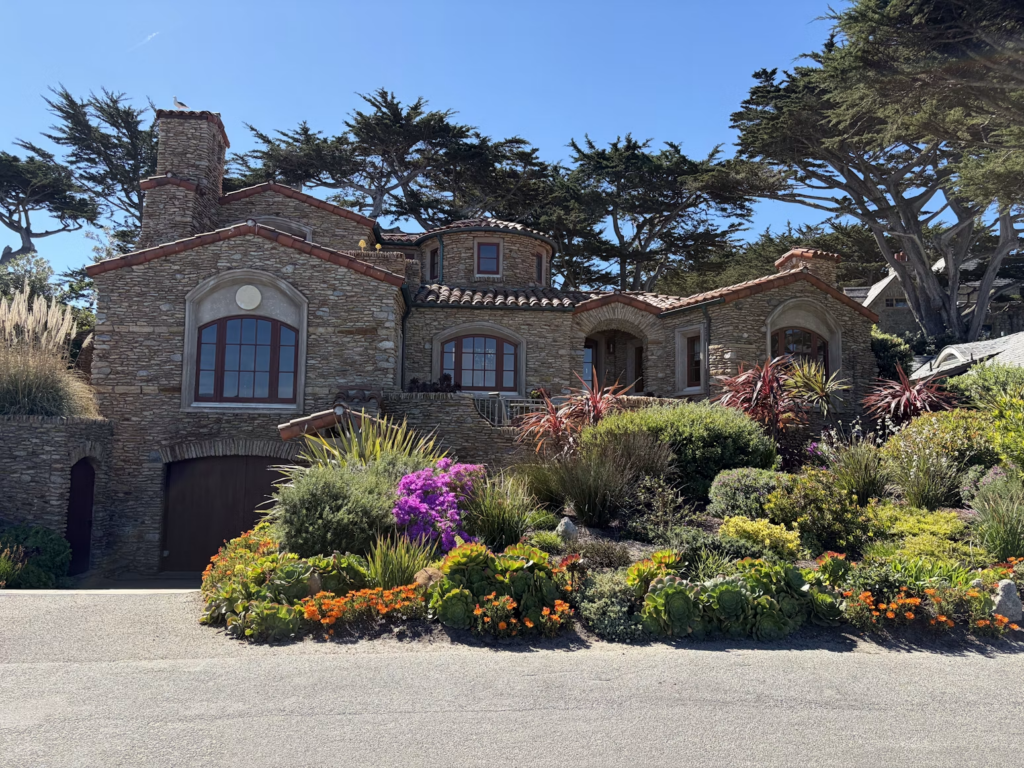
Minimal landscaping used to mean a vast lawn surrounded by trees, or a tidy, low-maintainance yard with neat shrubbery and very few feature plants. But today, it takes on a new meaning as it usually requires a team of professional landscape designers and horticulturists to transform a bare patch of land into a quietly luxurious outdoor escape, especially for premium residential properties. Among the most popular minimalist garden designs is the Zen style, which is common in Japanese homes and commercial spaces. Many homeowners in high-end communities favor this style since it offers deep stress relief, and it gives them room to breathe and find emotional clarity.
According to Tim Gurner, Garden Curator of the Anderson Japanese Gardens in Illinois, Japanese gardens are inspired by the human connection to nature. To design the perfect minimalist escape, he recommends that people should “tour gardens, paying attention to the way the elements work together as you move through the space.” For an outdoor space that feels soothing and inviting but has the minimalist aesthetic of a Japanese backyard, here’s how you can design a modern Zen garden for your luxury property.
Create Core Zones
Traditional Zen gardens vary in size, and these typically feature elements like rocks, gravel, and water features like fountains made of interconnected bamboo spouts and stone basins. A Zen garden also has a selection of carefully curated plants and tree varieties, so homeowners with Zen gardens prioritize fitting an outside tap to provide a practical water source for plant maintenance and cleaning dust off stones. For a large garden, it’s recommended to install additional, hidden taps in plant-heavy areas so caretakers or gardeners don’t have to carry heavy watering equipment across paths.
If you’re working with a large space in your estate, consider breaking it up into core zones. Doing so prevents the vast area from feeling cold or empty since a large field with nothing but massive rocks and gravel can feel unfriendly or desolate. Zoning also defines areas for movement or meditation, and prevents minimalist elements from looking cluttered. One zone can be dedicated to dry landscape, also known as the Karesansui. Another zone can be for water and sound elements. There should also be an area for viewing and meditation, as well as a zone to grow live plants. All these areas can be connected with large, flat stepping stone paths or crisp gravel paths, which force people to explore the garden at a slow and mindful pace.
Consider a Reflection Pond or a Stream
There’s nothing like a statement water feature to add opulence to any landscape. Apart from placing Buddha fountain heads, bamboo fountains, and wall fountains in key areas, think about adding a reflection pond to your minimalist garden. You can have a large rectangular pond as the focal point of your Zen garden, then add a smaller, circular pond in another area, ideally in a zone with a stone bench. For your main pond, choose an area with a balanced view from your meditation and viewing deck. It’s also a good idea to head indoors and see if the pond is clearly visible when viewed through your living room window or bedroom. Ask your contractor to line the pond with black gravel or a black liner to maximize sky and cloud reflections. You can leave the pond as it is, with just a few rocks at the bottom, or place a few water lilies or some koi fish in it.
For another high-impact design element, consider having a man-made stream in your Zen garden. This adds life to the space, helps block outside noise, and balances the look of hard stone and gravel. Pair the stream with a bridge made of natural dark wood, and add surrounding plants like dwarf pines, clipped azaleas, and moss. Plant a variegated Japanese maple tree near the bridge, like a Taylor or Geisha cultivar to give your garden some color. These trees have bright pink and soft green leaves, which will draw the eye naturally. To make an even bigger style statement, build a distinct entrance to the water feature. Add a moongate, which is a huge, sculptural circle made of steel or interlocking wood, and position it in such a way that it frames the pond or stream.
Set Up a Multi-Use Viewing Deck
If you rarely meditate or just want to use your viewing deck for other activities aside from meditation, think about setting it up for multiple uses. Ideally, the deck should be made of rot-resistant woods like cedar or teak to keep the space looking natural, and it should be low to the ground to maintain a seamless transition into the rock garden or reflection pond. Leave the middle open for morning stretches or yoga, then place a low table on one side so you can use it for meals or a tea ceremony. Add floor cushions for comfort. Install warm LED lighting under the deck lip, then hang paper lanterns in key areas. Don’t forget to install path lanterns and landscape lighting in the garden for interest and drama.
A minimalist garden may be just what you need to add tranquility to your life. Consider these ideas to create a serene refuge in your outdoor space, and see how a Zen garden can enhance the look of your luxury home.