
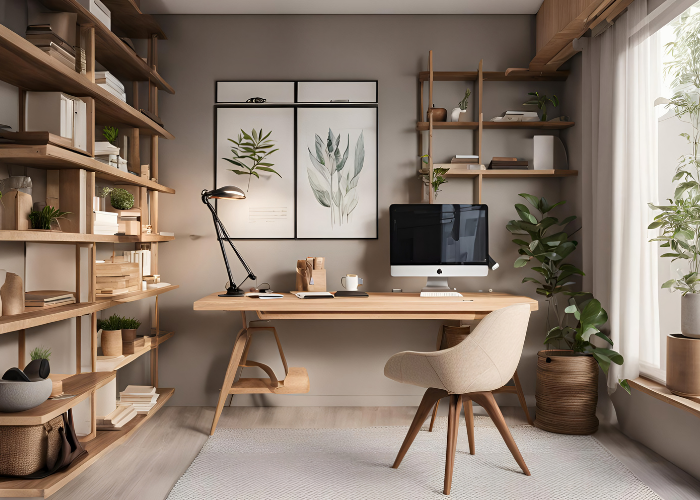
A home learning space doesn’t need to resemble a traditional classroom to support a child’s education. In fact, bringing elements of thoughtful interior design into the space can make it feel more comfortable, personal, and inviting while giving children somewhere they genuinely enjoy spending time.
Whether your child is homeschooled or simply needs a dedicated area for reading, homework, and creative projects, the surroundings can influence how they approach these activities. The goal is to create a beautiful space that encourages curiosity without sacrificing the practical features that make everyday learning easier.
Choose The Right Location
Start by considering how your family actually uses the home rather than automatically turning a spare room into a classroom. Some children concentrate best in a quiet office, while others prefer being closer to the activity of the kitchen, living room, or another shared family space.
Natural light is particularly valuable, so a location near a window can be an excellent choice when available. A pleasant view, good ventilation, and comfortable lighting can make the learning area feel less confined and encourage children to spend longer periods there without the environment becoming tiring.
Create A Calm And Welcoming Color Palette
Color can dramatically change a room’s atmosphere, and a learning space benefits from a palette that feels both calm and interesting. Soft neutrals, warm natural tones, muted greens, gentle blues, and earthy shades can provide a sophisticated foundation without making the room feel overly formal.
You can then introduce brighter colors through accessories, artwork, books, and storage pieces. This approach makes it easier to update the room as your child’s tastes change while maintaining an attractive overall design that works with the rest of the home.
Invest In Comfortable Furniture
Children need furniture that lets them sit comfortably and concentrate, especially when they are reading, writing, drawing, or completing longer assignments. A properly sized desk and supportive chair are worth prioritizing over furniture chosen entirely for appearance.
Comfort does not have to come at the expense of style. Modern children’s furniture is available in materials and finishes that can coordinate with contemporary, traditional, Scandinavian, rustic, and other interior styles, helping the learning area feel like an intentional part of the home.
Make Books Easy To See And Reach
Books can become part of the room’s decor while also encouraging children to read more frequently. Open shelves, low bookcases, wall-mounted ledges, and attractive baskets can keep reading material visible and accessible rather than hidden inside cabinets.
Consider rotating some of the books on display to maintain a sense of novelty. A mixture of fiction, nonfiction, reference books, activity books, and educational resources from publishers such as Tuttle Twins can expose children to different subjects and encourage them to explore ideas beyond their regular lessons.
Add A Cozy Reading Corner
Not every learning activity needs to happen at a desk. Creating a separate reading corner gives children somewhere to relax with a book and helps distinguish independent reading from more structured tasks such as handwriting, math, or computer work.
A comfortable armchair, floor cushion, small sofa, or upholstered window seat can provide the foundation for this area. Add a soft rug and suitable reading light, and you have a simple retreat that feels welcoming while still serving an educational purpose.
Use Storage As Part Of The Design
Learning spaces can quickly become cluttered with pencils, paper, art materials, books, games, and science supplies. Providing a designated home for these items makes it easier for children to find what they need and encourages them to take responsibility for tidying the area afterward.
Closed cabinets hide less attractive supplies, while open shelving can display attractive books, wooden toys, globes, models, and decorative objects. Matching baskets, labeled containers, and drawer organizers can provide additional structure without making the room look like a conventional classroom.
Leave Room For Creativity
A beautiful learning space should not be so carefully designed that children feel unable to make a mess. Creative activities are an important part of learning, so include at least one surface where painting, crafting, building, and experimenting are welcome.
A durable tabletop, paired with washable materials and easy-to-clean flooring, can make creative projects less stressful for everyone. Nearby storage for art supplies lets children start projects independently instead of asking an adult to retrieve materials every time inspiration strikes.
Introduce Elements From The Natural World
Natural materials can help a learning area feel warmer and more connected to the rest of a thoughtfully designed home. Wooden furniture, woven baskets, cotton textiles, cork boards, and wool rugs introduce texture while avoiding the institutional feeling that can sometimes come with conventional educational furniture.
Houseplants can also bring color and life to the room, as long as you choose varieties appropriate for a household with children and pets. Older children might even take responsibility for watering plants, turning a decorative feature into a small lesson about responsibility and the natural world.
Create Displays That Change Over Time
Instead of permanently covering the walls with educational posters, create flexible display areas that can evolve with your child’s interests. Cork boards, magnetic boards, picture ledges, clipboards, and simple frames make it easy to showcase artwork, maps, photographs, certificates, or current projects.
Changing these displays periodically can help the space remain interesting. If your child suddenly becomes fascinated by dinosaurs, architecture, astronomy, or another subject, displaying relevant images and projects gives that curiosity a visible place within the home.
Include Technology Without Letting It Dominate
Computers and tablets are useful learning tools, but they don’t need to become the room’s visual focus. Thoughtful cable management, discreet charging stations, and furniture with built-in storage can keep technology available without allowing screens and wires to overwhelm the design.
It also helps to keep plenty of screen-free options within easy reach. Books, puzzles, craft supplies, construction sets, notebooks, and hands-on learning materials encourage children to switch naturally between digital research and more tactile ways of exploring ideas.
Design A Space That Can Grow With Your Child
Children’s interests and educational needs change quickly, making flexibility one of the most important qualities in a home learning area. Choosing adjustable furniture, modular shelving, neutral foundational colors, and easily replaceable accessories can prevent the room from needing a complete redesign every few years.
Avoid making every design decision around your child’s current age or favorite theme. Instead, use artwork, cushions, posters, and small decorative objects to reflect current interests while keeping the larger furniture pieces versatile enough to remain useful into the teenage years.
Encourage Your Child To Make It Their Own
Children are more likely to feel connected to a learning environment when they have some influence over how it looks and functions. Allowing them to choose artwork, organize a bookshelf, select a desk accessory, or decide what goes on a display board can create a stronger sense of ownership.
You can still provide boundaries to maintain a cohesive interior design. Offering a small selection of parent-approved colors, furniture pieces, or decorative options gives children meaningful choices without turning the room into a collection of unrelated elements.
Build A Space That Celebrates Curiosity
The most successful home learning spaces combine organization and comfort with opportunities for discovery. They provide children with the tools they need for structured learning while leaving enough flexibility for reading, experimenting, creating, questioning, and following unexpected interests.
Ultimately, a beautiful learning area should feel like part of the home rather than a miniature school building. With comfortable furniture, accessible books, thoughtful storage, creative materials, and room for the space to evolve, you can create an environment that looks appealing and encourages children to stay curious about the world around them.