
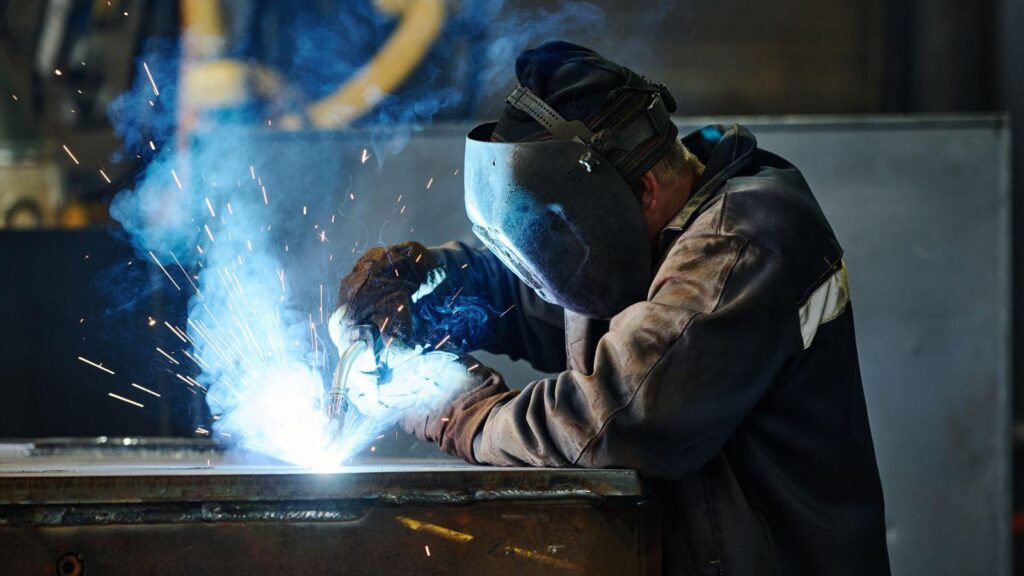
Turning metalworking skills into a business requires much more than being able to produce a good weld. Successful fabrication companies need to estimate projects, purchase materials, maintain equipment, communicate with customers, and consistently deliver quality work. Workshop planning matters too, including ventilation, organized work areas, appropriate equipment, and flame retardant clothing for relevant tasks involving welding, cutting, heat, or sparks.
Decide What Type of Fabrication Work You’ll Offer
Trying to accept every possible project can make a new business difficult to manage.
Instead, begin by identifying the services that best match your experience and equipment.
Potential areas include:
- Gates and railings
- Structural components
- Custom furniture
- Metal repairs
- Commercial fabrication
- Decorative metalwork
- Small custom projects
Specializing initially can make purchasing equipment and marketing the business much more straightforward.
Understand Your Local Market
Before investing heavily in equipment, research who might actually purchase your services.
Potential customers could include:
- Homeowners
- General contractors
- Property managers
- Construction companies
- Local businesses
- Interior designers
- Landscapers
Look at what other fabrication businesses in the area offer and identify services that may be underserved.
Calculate the Real Cost of Every Job
One of the biggest mistakes new trades businesses can make is pricing only according to materials and visible working hours.
A project may also involve:
- Measuring
- Design
- Material collection
- Cutting and preparation
- Finishing
- Transportation
- Installation
- Administrative time
Consumables and equipment wear should also be considered.
Understanding the true cost of completing a project helps prevent busy schedules from producing disappointing profits.
Build Relationships With Suppliers
Reliable access to materials can become a major advantage as the business grows.
Compare suppliers based on more than the lowest advertised price.
Consider:
- Material availability
- Delivery options
- Lead times
- Minimum orders
- Product range
- Reliability
A dependable supplier can be particularly valuable when customers expect projects to meet specific deadlines.
Organize the Workshop for Productivity
As workloads increase, poor workshop organization begins wasting valuable time.
Create dedicated areas for different stages of production where practical.
These might include:
- Material storage
- Measuring and marking
- Cutting
- Welding
- Grinding
- Finishing
- Completed projects
Tools that are used every day should be easily accessible, while rarely used equipment doesn’t need to occupy the most valuable workspace.
Build a Portfolio of Completed Work
Fabrication is highly visual, making photographs an important marketing asset.
With the customer’s permission, photograph completed projects such as railings, gates, furniture, repairs, or custom installations.
Use these images across:
- Your website
- Social media
- Business listings
- Estimates or sales materials
Potential customers often want to see evidence of previous workmanship before requesting a quote.
Develop Relationships With Other Trades
Some of the strongest opportunities may come from professionals who regularly need fabrication services.
Build relationships with:
- Builders
- Carpenters
- Landscapers
- General contractors
- Property maintenance companies
- Interior designers
One good professional relationship can lead to repeat projects rather than a single job.
Don’t Ignore the Business Side
Skilled tradespeople sometimes enjoy the practical work much more than administration, but both sides are essential.
Develop systems for:
- Estimates
- Invoices
- Customer communication
- Scheduling
- Material orders
- Project records
Simple processes become increasingly valuable as several projects begin running simultaneously.
Protect Your Reputation
Word-of-mouth can be extremely important for a local fabrication company.
Customers are more likely to recommend businesses that:
- Communicate clearly
- Arrive when expected
- Provide realistic timelines
- Produce consistent workmanship
- Leave completed work areas organized
If a project experiences a delay, communicate it early rather than leaving the customer wondering what happened.
Grow Gradually
A new business doesn’t need every piece of equipment immediately.
Start with the tools required for your core services and expand when demand justifies additional investment.
The same principle applies to hiring.
Growing gradually can make it easier to maintain quality while learning which types of projects are most profitable.
Final Thoughts
Starting a metal fabrication business requires a combination of trade skills and practical business management. Choosing the right services, understanding job costs, developing supplier relationships, and maintaining an organized workshop all contribute to building a stronger operation.
Focus on consistent workmanship and reliable customer service first. As your reputation and project portfolio grow, you can gradually expand your equipment, services, and customer base.