
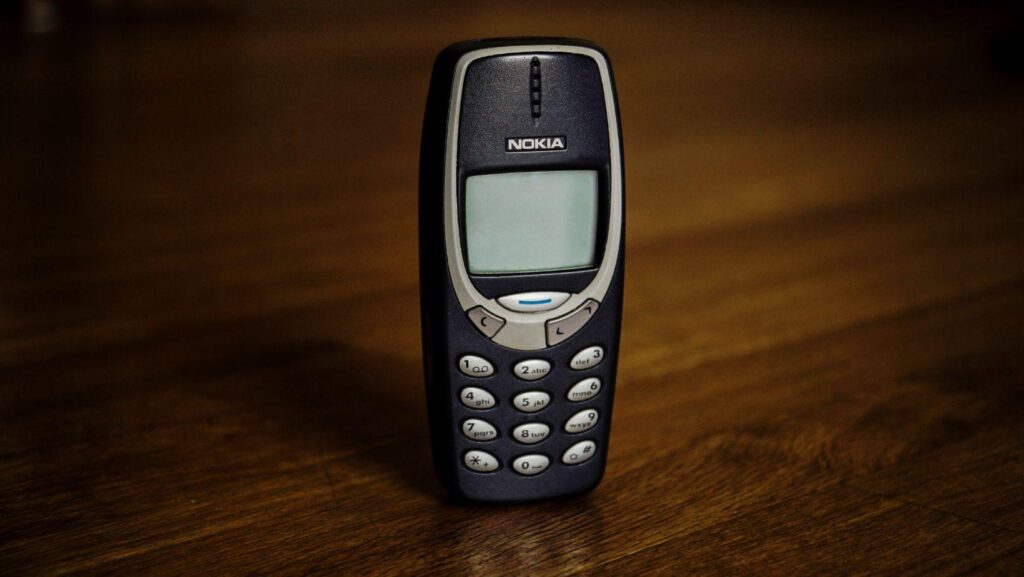
There’s a particular kind of clutter that hides in plain sight. It sits in a drawer, a cupboard, or the bottom of a bag- a phone that was once someone’s most-used possession, now demoted to forgotten hardware. For anyone who values a considered, well-kept home, that unused device is a small but telling contradiction: a piece of technology once prized for its design and function, now doing nothing at all.
The good news is that the solution takes very little effort. Selling an old phone is one of the simplest ways to reclaim space, recover value, and make a more intentional choice about what stays in a home and what doesn’t.
The Value Is Depreciating Every Day It Sits Still
Phones lose resale value steadily, not because they stop working, but because newer models keep arriving. A device that could fetch a strong price today may be worth considerably less in twelve months. For anyone with the intention to sell my mobile at some point, sooner is almost always better than later. Waiting rarely improves the outcome; it just narrows it.
This is especially true for higher-end devices, where the drop-off in demand tends to be sharper. Anyone looking to sell my Samsung phone, for instance, will usually find that recent flagship models hold their value better in the first year or two after release, then start to decline as successors are announced.
Condition Says More Than People Think
Before listing a phone anywhere, it’s worth taking stock of its actual condition rather than relying on memory. A phone that’s been in daily use for two or three years will likely show it, light scratches, a slightly worn charging port, a battery that no longer holds a full day’s charge. None of this is unusual, but it does affect price.
A few small steps make a meaningful difference:
- Clean the device thoroughly. A phone that looks cared for photographs better and reads as better maintained, even if the internal specs are identical to a neglected one.
- Check the battery health. Most phones have a built-in way to view this. A battery under 80% capacity is worth mentioning upfront, since buyers will ask.
- Inspect the screen and body for cracks, dents, or discolouration. Honesty here saves time and prevents disputes later.
Buyers, whether individuals or resale platforms, respond well to transparency. A precise, accurate listing tends to sell faster and with fewer complications than one that oversells the condition.
Data Deserves the Same Care as the Device
Before anything is listed or sent off, the phone needs a proper reset, not just a delete of a few apps. A full factory reset, ideally after backing up anything worth keeping, ensures no personal information travels with the device to its next owner. This includes signing out of cloud accounts, removing SIM and memory cards, and disabling any device-tracking features that could otherwise lock a new owner out entirely.
This step is easy to overlook in the rush to be rid of the clutter, but it matters both for privacy and for the buyer’s experience. A phone still linked to a previous owner’s account is, in practical terms, unsellable.
Choosing Where to Sell
- Trade-in programmes through manufacturers or network providers are the least effort, though typically the lowest return.
- Dedicated resale platforms often pay more, particularly for well-known brands, and usually handle postage and grading themselves.
- Private sales, through marketplace apps or local listings, tend to yield the highest price but require more patience, more back-and-forth, and a willingness to meet buyers or arrange safe delivery.
A Small Act With a Disproportionate Reward
There’s something quietly satisfying about clearing a drawer of something that no longer serves a purpose, especially when that something still has value to offer someone else. Selling an old phone isn’t just about the money, though that’s rarely unwelcome. It’s about closing the loop on an object that’s finished its role in one home and still has plenty of use left to give in another.
A little organisation, a proper reset, and a realistic look at condition are all it takes to turn forgotten hardware into a tidy return, and one less thing quietly gathering dust.