

As temperatures drop, many homeowners start looking for ways to stay warm without relying heavily on heaters. While heating systems play an important role, the comfort of a home often comes down to how well it retains warmth in the first place.
The good news is that creating a warmer and more energy-efficient home does not always require major renovations. A few thoughtful improvements can help reduce heat loss, improve comfort and potentially lower energy costs throughout winter.
For many homeowners, improving winter comfort starts with addressing the areas where heat is most commonly lost. Solutions such as insulation, draught reduction and quality window furnishings can all contribute to a warmer and more comfortable living environment.
If you’re tired of wearing three layers of sweaters indoors, here are seven practical ways to make your home feel genuinely cozy this winter.
1. Address Gaps and Draughts
One of the most common causes of winter discomfort is unwanted air entering the home through small gaps around doors, windows and wall penetrations.
Even minor draughts can make rooms feel colder and force heating systems to work harder. Checking seals, weather strips and door sweeps is a simple place to start.
Many homeowners are surprised by how much of a difference this small maintenance task can make.
2. Improve Your Window Coverings
Windows are often responsible for a significant amount of heat transfer in a home.
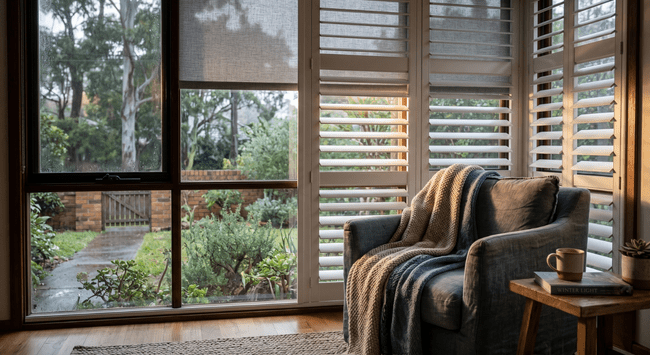
Well-fitted window furnishings can help create an additional barrier between indoor living spaces and colder outdoor temperatures. Products such as blockout blinds, shutters and layered window treatments can contribute to improved thermal performance while also providing privacy and light control.
Choosing window furnishings that suit the style and needs of your home can deliver benefits throughout the year, not only during winter.
3. Make Better Use of Natural Sunlight
Winter sunshine can be a valuable source of warmth.
Opening window coverings during the day allows natural sunlight to enter living spaces, helping to raise indoor temperatures naturally. As evening approaches, closing blinds, curtains or shutters can help retain some of the warmth that has built up throughout the day.
This simple habit costs nothing and can improve comfort in many homes.
4. Upgrade Ceiling Insulation
Insulation remains one of the most effective ways to improve a home’s energy efficiency.
Without adequate insulation, a significant amount of heat can escape through the roof. Upgrading insulation may involve an upfront investment, but many homeowners view it as a long-term improvement that contributes to year-round comfort.
Homes with effective insulation often feel more stable in temperature during both winter and summer.
5. Create Warm, Functional Living Spaces
Large open-plan areas are popular in modern homes, but they can sometimes feel challenging to heat during winter.
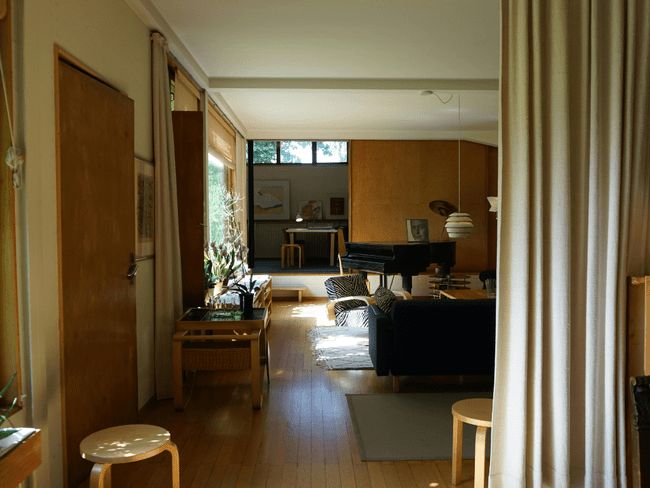
Creating distinct living zones through furniture placement, rugs and thoughtful room layouts can make spaces feel more comfortable and inviting. Soft furnishings also contribute to a warmer atmosphere while helping to reduce the feeling of cold surfaces within a room.
Comfort is not always about temperature alone. The way a room feels can influence how warm it seems.
6. Consider Outdoor Protection Solutions
Outdoor areas can also affect indoor comfort.
Features such as awnings and external shading systems help manage sunlight and weather exposure throughout the year. While they are often associated with summer heat reduction, well-designed outdoor protection can contribute to overall home performance and improve the usability of outdoor spaces during cooler seasons.
A comfortable home extends beyond its interior walls.
7. Stay on Top of Home Maintenance
Regular maintenance plays an important role in preserving comfort and efficiency.
Blocked gutters, damaged seals, ageing weather strips and neglected ventilation systems can all affect how a home performs during winter. Addressing small issues before they become larger problems helps maintain comfort while protecting the value of the property.
A well-maintained home is generally easier and more affordable to keep comfortable throughout the year.
Final Thoughts
There’s no single silver bullet for winter comfort. Instead, the coziest homes rely on a combination of small, smart adjustments working together.
Start with the easiest fixes—like chasing down draughts and flipping your blinds open with the sun—and work your way up. By tackling the areas where your home is losing the most energy, you’ll end up with a space that’s warmer, cheaper to run, and a whole lot more inviting.