
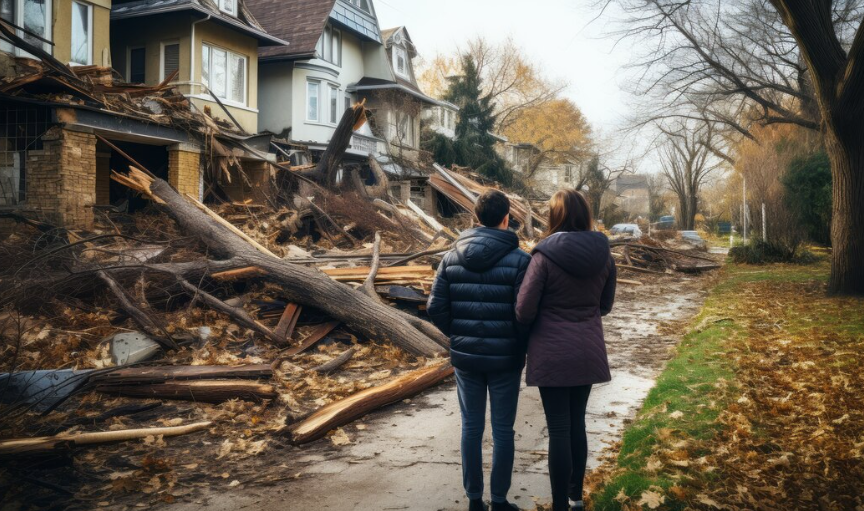
Climate change is no longer a distant threat. It is happening right now and reshaping the way we think about where we live. A significant percentage of rental units in the United States sit in areas exposed to severe climate-related threats. You need to keep this in mind as a landlord. Read on, and let’s explore what you can do about it.
What is the Climate Change Gap in Rental Housing?
The climate change gap describes how renters face a climate preparedness gap compared to owner-occupied homes. To summarize, owners consistently make more upgrades that safeguard their homes against extreme weather than renters do. Renters and landlords encounter a structural disconnect preventing those upgrades from taking place:
Landlords will cover the cost of building improvements while tenants cover their own utility bills. Since landlords don’t reap the benefits of decreased energy costs from efficiency upgrades, they have little financial reason to upgrade. Renters consume roughly a third more energy per square foot than homeowners because landlords haven’t upgraded insulation or HVAC systems.
As you might expect, America’s rental housing stock is also rapidly aging. The nation’s rental inventory is at its oldest average age ever. Nearly half of all rentals have at least one physical deficiency. Simply put, older buildings weren’t built to withstand the types of climate challenges we see today. These buildings aren’t equipped with sufficient insulation, flood-resistant materials, or proper HVAC systems. Renters are therefore more vulnerable to heat waves, flooding, storms, and other effects of climate change than homeowners are.
Property managers will need to be mindful of this and take appropriate steps to maintain the units. Bay Property Management Group may set scheduled maintenance and catch structural issues early.
The gap even exists when it comes to insurance. As climate risk increases, insurance companies are either dropping coverage in high-risk areas or significantly increasing premiums. If homeowners don’t like the new rates, they can opt to drop coverage or find a new provider. Renters have no choice but to accept the protection their landlords decide to invest in.
How is Climate Change Affecting Rental Properties?
Climate change is impacting rental markets in tangible ways. Research by Harvard University’s Joint Center for Housing Studies projects that nearly 18.2 million rental homes are at risk of experiencing significant damage from hurricanes, wildfires, floods, and earthquakes. In other words, tens of millions of renter households could lose their homes because of extreme climate events. As climate change worsens, this number will also increase.
Heat waves pose a major risk to renters. Poorly insulated units retain heat, which can pose severe health risks for tenants during extreme heat. Older apartments that lack modern air conditioning can become hazardous to tenants during the summer months, with heat risks increasing dramatically for elderly tenants and young children.
Flooding also poses a major risk to renters, particularly those living in older, single-family rentals. In fact, newer rentals are significantly more likely to be located in high-risk flood areas. Nearly half of all rentals built after 2000 are in counties with high climate risk, while less than a quarter of rentals built before 1940 are. This can be partly explained by higher land costs in low-risk areas, which drive developers to build in floodplains and other coastal areas.
Hurricanes and wildfires aren’t getting less severe, either. And much of the nation’s older rental stock wasn’t built to withstand these extreme weather events. Without investments in resilience prior to disaster, just one wildfire or hurricane season can cause billions of dollars of losses to displaced vulnerable tenants and permanently decrease the stock of affordable rentals.
Rents often increase in the aftermath of disasters as supply dwindles, pushing more people into eviction. Low-income renters have a hard time moving to safer locations, making climate change a housing justice issue as well as a building one.
Climate-Resilient Upgrades
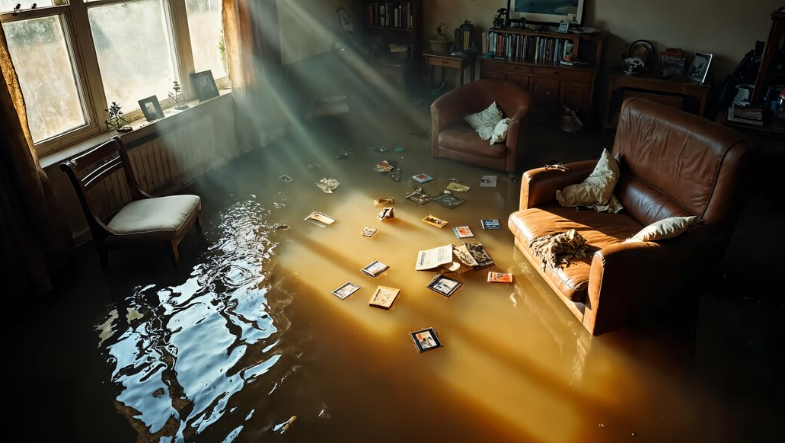
Landlords have a huge opportunity to help bridge the climate change gap. Residential building upgrades fall into three broad categories: energy efficiency, water resilience, and weather preparedness.
Energy Efficiency Upgrades
Reducing energy use helps curb operating costs and makes properties more habitable during heat waves and cold snaps. Energy efficiency upgrades include:
- Insulation: In walls, attics, crawl spaces, and floors
- HVAC: Swapping out old heating and cooling equipment for Energy Star-rated heat pumps
- Smart thermostats
- Energy-efficient doors and windows
- LED light bulbs
The Inflation Reduction Act offers landlord-specific rebates and tax incentives for energy efficiency upgrades. The legislation earmarks $1 billion for improvements to HUD multifamily housing stock alone. Encourage tenants to proactively conserve water and energy. Additionally, most utility companies offer energy-efficient solutions to help landlords offset the cost of building upgrades.
Water Management
Water-related damages from storms and flooding are a leading climate risk for rental properties. Investing in water management solutions like:
- Sump pumps
- Backflow preventers
- Drainage systems
- Permeable hardscaping
- Water-efficient plumbing fixtures
- Drought-resistant landscaping
These investments help limit costly repair bills following storms and extreme weather events. They also defend tenants against health threats posed by water damage and mold.
Weather Resilience Improvements
Weatherproofing a rental property ensures it can operate during natural disasters and recover quickly. Weather resilience improvements may include:
- Cool roofs
- Equipment pedestal mounts
- Battery storage
- Storm windows
- Fireproof building materials
Weather improvements can save lives when disaster strikes. They also reduce insurance premiums and protect against devaluation from declining market demand.
Final Words
The climate gap in rental housing is neither hypothetical nor distant. Renters comprise millions of Americans living in aging properties that are ill-prepared to face rising temperatures, flooding, extreme storms, and other impacts of climate change.
The landlord-tenant split incentive has hindered action for decades, but today we have the financial incentives and technology to turn the tide. Landlords who act now to make properties more energy-efficient, water-wise and weather-resilient will safeguard their tenants and homes and gain a competitive advantage in a market that will price climate risk into every investment decision.