
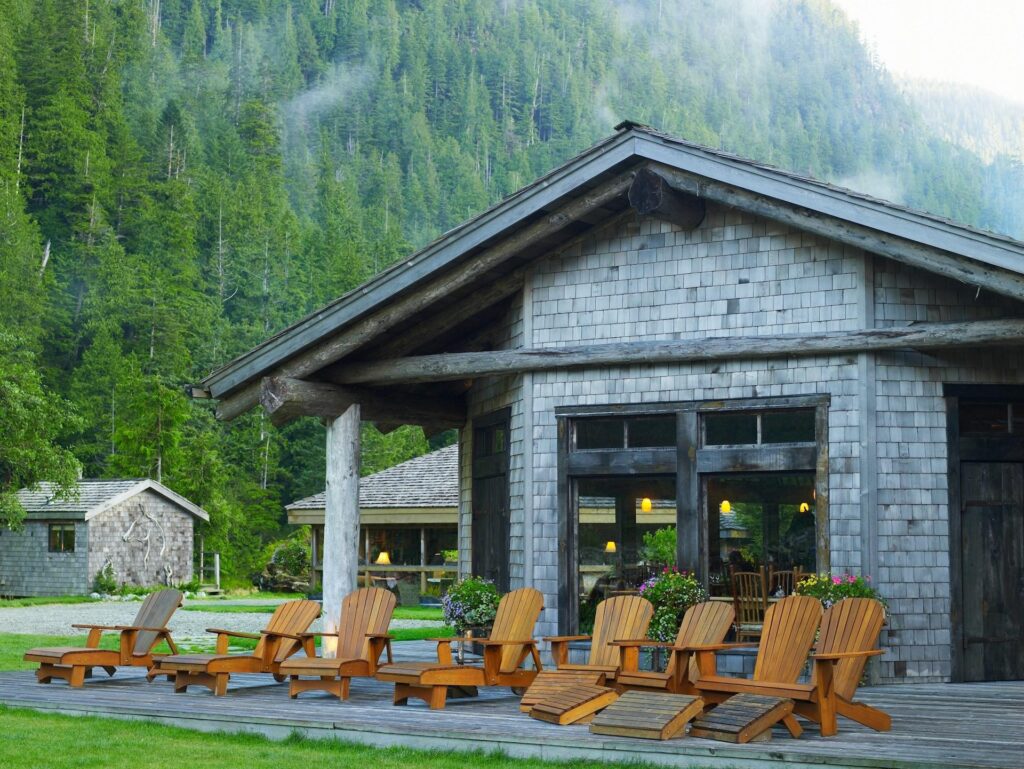
Designing luxury homes in mountain environments has always required a careful balance between aesthetics, durability, and functionality. Today, that balance has become even more important as homeowners increasingly expect mountain properties to deliver the same level of comfort, efficiency, and convenience found in modern urban residences.
Contemporary mountain homes are no longer viewed simply as seasonal retreats or rustic cabins. Many have evolved into fully equipped luxury residences designed for year-round living, remote work, wellness-focused lifestyles, and multi-generational use. Large windows, spa-inspired bathrooms, chef-style kitchens, radiant heating systems, and expansive indoor-outdoor living spaces have become standard features in many upscale mountain properties.
However, the beauty of these homes often depends heavily on systems that remain hidden behind walls and beneath floors. Plumbing infrastructure, water management, drainage systems, heating integration, and climate resilience now play a much larger role in luxury home performance than many homeowners initially realize.
As mountain architecture becomes more sophisticated, plumbing design is quietly becoming one of the most important elements supporting long-term comfort and reliability.
Luxury Bathrooms and Kitchens Are Increasingly Dependent on Skilled Plumber Planning
One of the biggest shifts in luxury mountain home design involves the growing complexity of kitchens and bathrooms. Homeowners today expect premium functionality alongside visual elegance, especially in spaces tied closely to comfort and daily routines.
Oversized rainfall showers, freestanding tubs, smart fixtures, radiant heated floors, filtered water systems, secondary prep kitchens, steam rooms, and outdoor spa installations all place greater demands on plumbing infrastructure than traditional residential layouts.
Because mountain properties often face unique environmental conditions, including colder temperatures, elevation changes, seasonal weather extremes, and remote locations, careful planning becomes essential from the very beginning of the design process.
Architects and homeowners working on premium mountain renovations increasingly collaborate with experienced plumber professionals such as Spearhead Plumbing when designing systems capable of supporting high-end residential demands while remaining efficient and reliable throughout changing seasonal conditions.
Without proper infrastructure planning, even visually stunning homes can encounter ongoing issues involving water pressure inconsistencies, frozen pipes, inefficient drainage, humidity problems, or costly maintenance concerns.
This is especially important in mountain communities where harsh winter conditions can place additional stress on residential plumbing systems over time.
Mountain Living Creates Different Infrastructure Challenges
Mountain homes often operate under environmental conditions that differ significantly from urban residential properties. Temperature fluctuations, snow accumulation, steep terrain, groundwater movement, and seasonal occupancy patterns all influence how plumbing systems must be designed and maintained.
Homes located in colder climates may require specialized pipe insulation, freeze protection systems, and carefully planned water line routing to prevent winter damage. Properties built on slopes or elevated terrain may also require more advanced drainage planning to manage runoff effectively and protect structural foundations.
Luxury homeowners increasingly recognize that infrastructure decisions made during construction or renovation can have long-term effects on comfort, maintenance costs, and property value.
In many high-end projects, plumbing is no longer treated as a secondary construction detail. Instead, it has become an essential part of the overall architectural planning process.
Wellness-Focused Design Is Influencing Luxury Interiors
Modern luxury interiors are increasingly shaped by wellness-focused design principles. Homeowners now prioritize spaces that support relaxation, recovery, and physical comfort rather than focusing solely on visual impact.
Bathrooms have become one of the clearest examples of this shift. Spa-inspired layouts featuring hydrotherapy tubs, oversized showers, steam systems, heated flooring, and advanced water filtration technologies are becoming common in upscale residential design.
These features depend heavily on efficient plumbing infrastructure operating quietly behind the scenes. Water temperature consistency, reliable pressure, drainage performance, and humidity management all contribute directly to the overall success of wellness-oriented spaces.
As homeowners spend more time prioritizing personal wellbeing at home, demand for highly functional plumbing systems continues increasing alongside luxury renovation activity.
Sustainability Is Changing Luxury Home Priorities
Sustainability has also become a major consideration in modern mountain home design. Many homeowners are looking for ways to reduce water waste, improve energy efficiency, and minimize long-term environmental impact without sacrificing comfort.
Low-flow fixtures, tankless water heaters, leak-detection technology, greywater systems, and efficient heating integration are now frequently included in luxury residential projects.
The U.S. Department of Energy continues encouraging homeowners to improve residential water and energy efficiency through smarter appliance choices, better heating systems, and upgraded home infrastructure that reduces unnecessary resource consumption over time.
This growing focus on sustainability has encouraged closer collaboration between designers, builders, engineers, and plumbing professionals throughout the planning process. Luxury today increasingly means creating homes that are not only visually impressive but also efficient, resilient, and practical to maintain over time.
Open-Concept Living Requires Better System Coordination
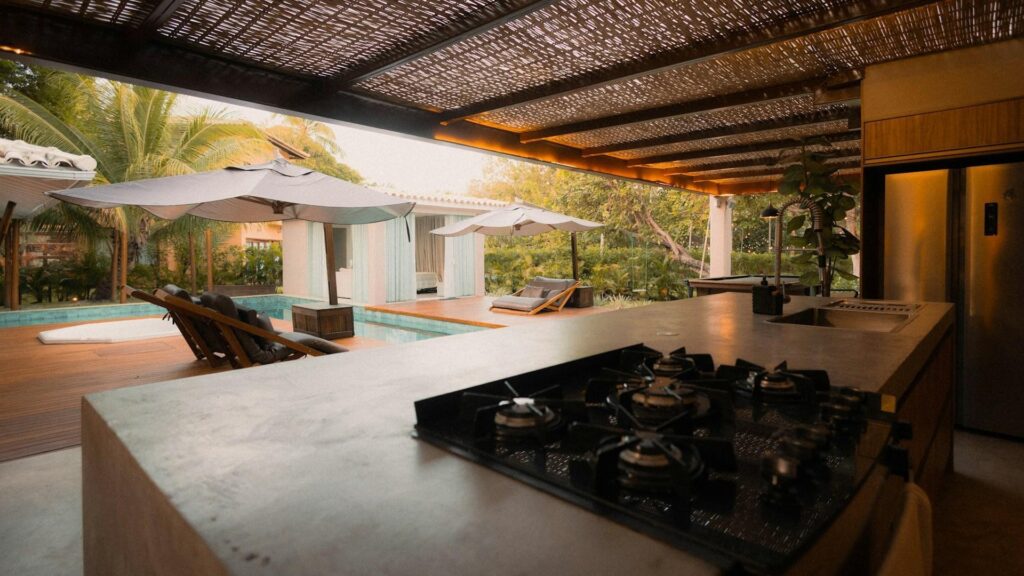
Another important shift influencing plumbing design involves the popularity of open-concept architecture. Modern mountain homes frequently feature expansive living spaces where kitchens, dining areas, entertainment zones, and outdoor terraces connect seamlessly together. These layouts create stronger visual flow throughout the home but also require more careful infrastructure coordination behind the scenes.
Water supply lines, drainage systems, ventilation planning, appliance placement, and heating integration all need to work efficiently without disrupting the clean architectural appearance homeowners expect from luxury interiors.
Even minor plumbing issues become more noticeable in minimalist, open-concept environments where functionality and aesthetics are closely connected. This is one reason why many luxury builders now involve infrastructure specialists much earlier in the design phase rather than waiting until later stages of construction.
Homeowners Are Thinking More Long-Term
Long-term durability has become increasingly important within luxury real estate and renovation markets. Homeowners investing heavily into custom homes now expect systems that remain dependable for years rather than simply delivering short-term visual appeal.
In mountain regions especially, weather exposure and environmental conditions can accelerate wear on poorly designed infrastructure systems. Pipe failures, hidden leaks, moisture buildup, and drainage problems can quickly lead to expensive structural and cosmetic damage if not properly addressed.
As a result, many homeowners are becoming more proactive about infrastructure upgrades, preventive maintenance, and system modernization.
This shift reflects a broader understanding that true luxury often depends on reliability, comfort, and operational simplicity rather than appearance alone.
Modern Luxury Depends on What Homeowners Cannot See
While premium finishes and striking architectural features still define much of luxury interior design, many of the systems that shape daily comfort remain largely invisible. Plumbing infrastructure, water management systems, heating integration, and moisture control quietly influence how a home feels every single day.
Mountain homes, in particular, require smarter planning because environmental conditions create additional demands on residential systems year-round.
As luxury homeowners continue prioritizing wellness, sustainability, efficiency, and long-term durability, plumbing design is becoming an increasingly important part of modern residential architecture.
The most successful luxury homes are often the ones where beauty and functionality work together seamlessly behind the scenes, creating spaces that feel effortless, comfortable, and dependable in every season.