
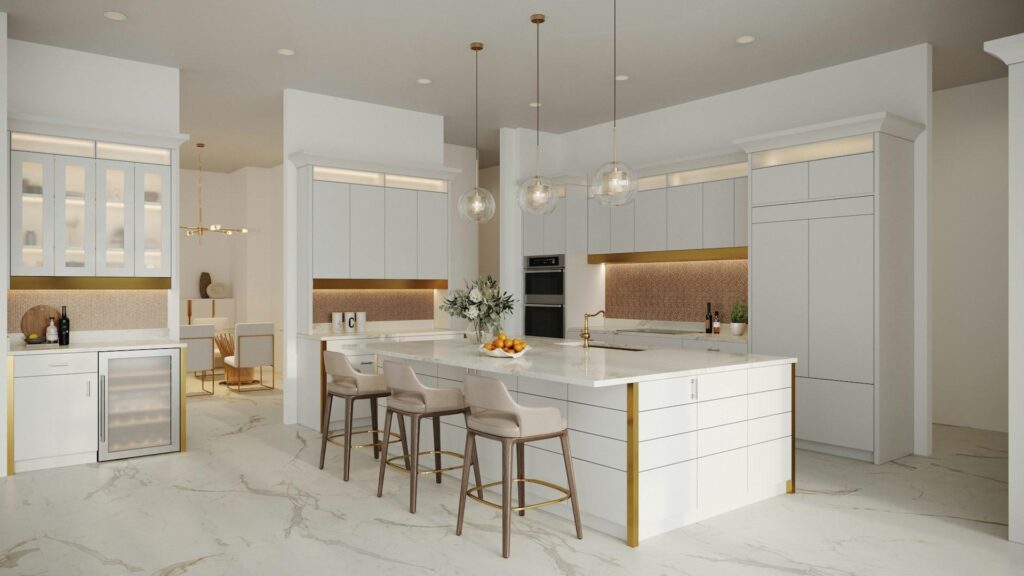
Luxury interior design is often associated with statement lighting, premium materials, custom cabinetry, oversized kitchen islands, and carefully curated décor. While those visible elements certainly define the aesthetic identity of a home, many of the features that shape long-term comfort and functionality remain hidden behind walls, beneath floors, and inside mechanical systems.
As modern homeowners invest more heavily in personalized living environments, attention is increasingly shifting toward the infrastructure that supports everyday comfort. Designers, architects, and homeowners are beginning to recognize that truly successful interiors rely just as much on performance, efficiency, and reliability as they do on visual appeal. A beautifully designed home quickly loses its appeal when plumbing systems fail, water pressure becomes inconsistent, or moisture problems begin affecting finishes and materials.
Luxury living today is no longer only about appearance. It is about creating spaces that function smoothly, feel comfortable year-round, and support daily routines without disruption.
Hidden Systems Often Shape the Entire Living Experience
Many homeowners focus heavily on finishes during renovations while underestimating the importance of the systems operating behind those surfaces. Plumbing, drainage, ventilation, water efficiency, insulation, humidity control, and pipe layouts all quietly influence how comfortable and functional a home feels over time.
This becomes especially important in kitchens, bathrooms, laundry areas, spa-style wellness rooms, and custom entertaining spaces where water usage and daily functionality play major roles in the overall living experience.
Interior designers working on premium residential projects increasingly collaborate closely with engineers, builders, and experienced plumbing contractor teams early in the planning process to ensure that luxury finishes are supported by equally reliable infrastructure. High-end homes often include complex plumbing requirements involving rainfall showers, freestanding tubs, radiant floor heating systems, water filtration systems, outdoor kitchens, smart fixtures, and multiple bathrooms operating simultaneously.
Without proper planning and installation, even the most visually impressive interiors can develop long-term maintenance problems that eventually compromise the homeowner experience.
Modern Luxury Spaces Prioritize Comfort as Much as Style
One of the biggest shifts within contemporary luxury design involves the growing emphasis on comfort-focused living. Homeowners increasingly want spaces that reduce stress, simplify routines, and create a sense of calm within everyday life.
Bathrooms have become one of the clearest examples of this trend. What was once considered a purely functional room is now frequently designed as a private wellness space focused on relaxation and recovery. Heated flooring, steam showers, oversized soaking tubs, touchless fixtures, and layered lighting systems are now common features in many luxury renovations.
These upgrades depend heavily on well-designed plumbing infrastructure working efficiently behind the scenes. Water flow consistency, drainage quality, humidity management, and system reliability all contribute directly to how successful these spaces feel in practice.
Many renovation specialists and interior professionals working on upscale residential projects now partner with companies such as plumbing contractor services like Armacom when planning bathroom upgrades, kitchen renovations, water-efficient installations, and infrastructure improvements that support long-term functionality alongside visual design goals.
This growing focus on invisible functionality reflects a broader shift within luxury living itself. Homeowners increasingly value homes that feel effortless to live in rather than simply impressive to photograph.
Sustainability Is Influencing Luxury Home Infrastructure
Sustainability is also becoming a major factor shaping high-end residential design decisions. Homeowners are becoming more aware of how plumbing efficiency, water conservation, material selection, and long-term energy performance affect both environmental impact and operating costs.
Luxury homes today often incorporate low-flow fixtures, tankless water heaters, greywater systems, leak-detection technology, and energy-efficient heating solutions that reduce waste without sacrificing comfort.
According to the U.S. Environmental Protection Agency’s WaterSense program, improving household water efficiency can significantly reduce unnecessary water consumption while also lowering utility costs over time. Many homeowners are now treating water management as an important part of sustainable home design rather than purely a technical consideration.
This shift has encouraged more collaboration between architects, interior designers, contractors, and infrastructure specialists throughout the renovation process. Instead of viewing plumbing systems as secondary construction details, they are increasingly considered essential components of modern luxury living.
Kitchens Now Function as Multi-Purpose Living Spaces
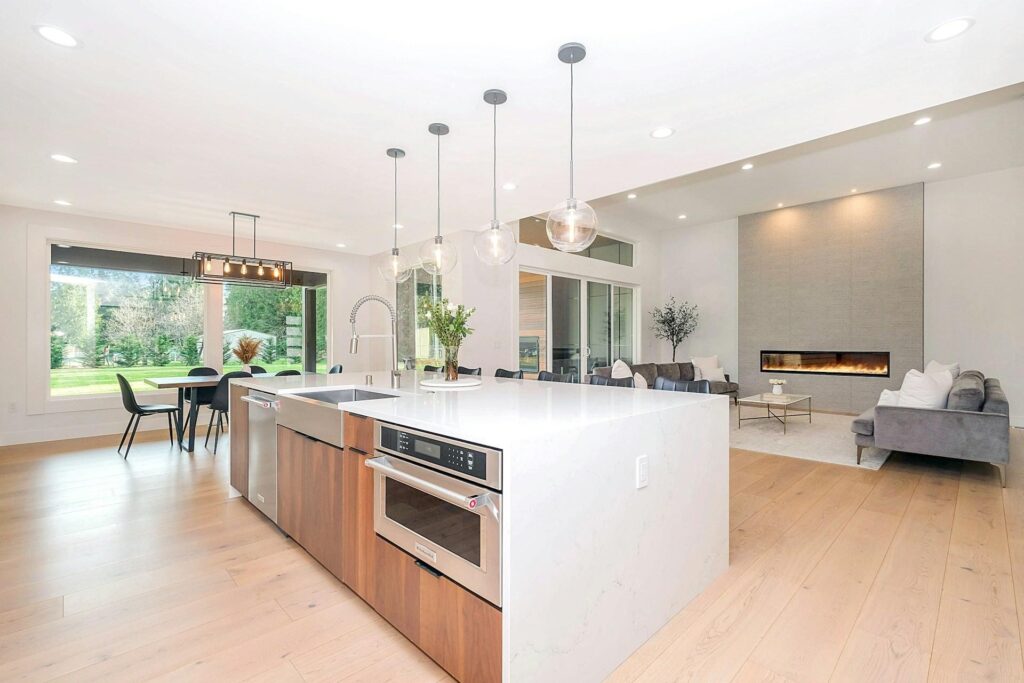
Luxury kitchens have evolved dramatically over the past decade. In many homes, kitchens now operate as entertainment hubs, family gathering spaces, remote work environments, and social centers rather than isolated cooking areas. As a result, homeowners expect these spaces to perform efficiently under constant daily use while still maintaining a clean, refined appearance.
Large islands with integrated sinks, secondary prep kitchens, filtered water systems, pot fillers, custom beverage stations, and concealed appliances all require careful infrastructure planning behind the walls and beneath cabinetry.
Even small plumbing decisions can influence the long-term usability of a kitchen. Poor drainage layouts, inconsistent water pressure, or inadequate ventilation can quickly affect both convenience and maintenance requirements.
Designers increasingly understand that the success of a luxury kitchen depends not only on materials like stone countertops or premium cabinetry, but also on the reliability of the systems supporting the space every day.
Long-Term Durability Is Becoming More Important
Another major trend influencing luxury interiors involves the growing demand for durability and longevity. Homeowners making significant investments into custom renovations increasingly want materials and infrastructure that remain reliable for many years rather than simply following temporary design trends.
Moisture control, leak prevention, proper waterproofing, and high-quality installation work have become particularly important in luxury properties where even minor plumbing issues can cause expensive damage to flooring, cabinetry, wall finishes, and custom-built features.
This is especially true in regions with fluctuating temperatures, heavy rainfall, or older housing infrastructure where plumbing systems may require modernization to support newer renovation standards. Many homeowners now approach renovations with a longer-term mindset focused on resilience, maintenance reduction, and operational efficiency alongside visual appeal.
Luxury Living Is Increasingly About Everyday Functionality
The definition of luxury has evolved significantly in recent years. While visual aesthetics still matter greatly, homeowners are increasingly prioritizing homes that improve everyday living experiences in subtle but meaningful ways.
Reliable hot water, strong water pressure, quiet operation, effective drainage, clean indoor air quality, efficient climate control, and seamless functionality all contribute to how a home feels over time. These details rarely attract attention during a property tour or in interior photography, yet they often have the greatest impact on daily comfort. This changing perspective is influencing how luxury homes are designed, renovated, and maintained across both new construction projects and existing residential properties.
The most successful interiors today are often the ones where beauty and functionality work together quietly in the background without constant maintenance issues or operational frustrations.
Well-Designed Infrastructure Quietly Supports Great Interior Design
As luxury interior design continues evolving, homeowners are becoming more aware that beautiful spaces rely heavily on what exists beneath the surface. High-end finishes alone cannot create lasting comfort if the systems supporting those interiors are outdated, inefficient, or poorly designed.
The growing collaboration between designers, builders, engineers, and infrastructure specialists reflects a broader understanding that true luxury involves consistency, reliability, comfort, and long-term performance as much as aesthetics. In many ways, the invisible elements of a home now play one of the most important roles in shaping how successful modern interiors truly feel.