
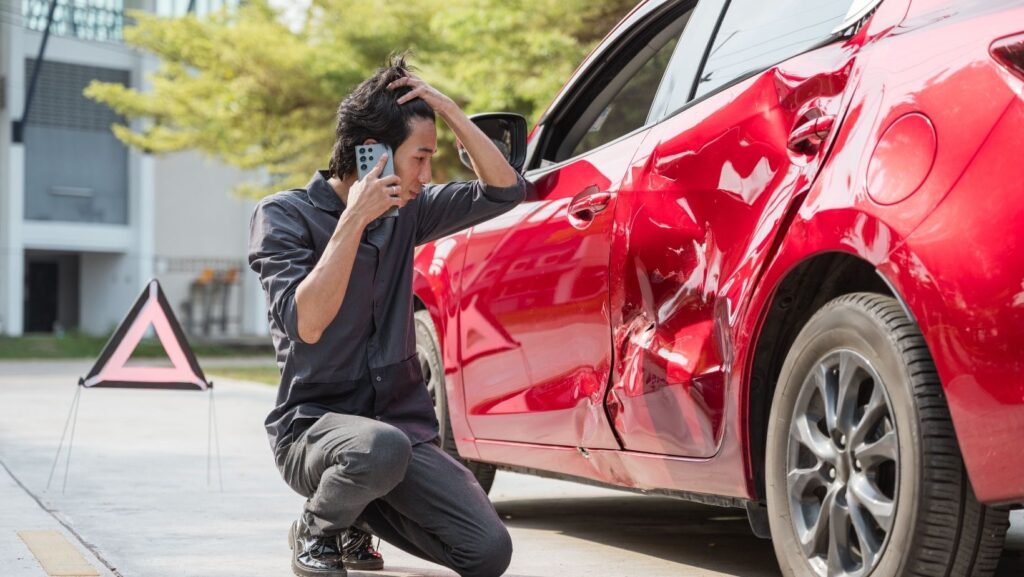
A hit-and-run crash is one of the most disorienting situations a Michigan driver can face. The physical damage, the injuries, the shock of the collision itself, and then the realization that the person who caused it has left the scene. What follows is a claims process that most people are completely unprepared for, and in Michigan, that process is made significantly more complex by the state’s unique no-fault insurance system.
Michigan’s no-fault framework is unlike the insurance structure in most other states, and understanding how it applies to hit-and-run situations is the difference between getting the benefits you are entitled to and losing them because of a procedural mistake made in the first days after the crash.
Michigan No-Fault Insurance and What It Covers After a Hit-and-Run
Michigan requires all registered vehicle owners to carry Personal Injury Protection coverage as part of the state’s no-fault system. PIP pays for medical expenses, a portion of lost wages, and replacement services regardless of who caused the crash. In a hit-and-run where the at-fault driver is never identified, your own PIP coverage is typically the first and most immediate source of compensation for medical costs and lost income.
The 2019 reform of Michigan’s no-fault law introduced tiered PIP coverage options, meaning that the amount of medical coverage available to you depends on the PIP level you selected when purchasing your policy. Unlimited PIP remains available but is no longer the only option, and drivers who selected lower tiers to reduce premiums may find themselves with coverage limits that are inadequate for serious injuries. Identifying exactly what PIP level you carry is one of the first practical steps after a hit-and-run crash.
Uninsured Motorist Coverage and the Hit-and-Run Gap
Beyond PIP, uninsured motorist coverage is the critical tool for recovering compensation for pain and suffering and other damages that PIP does not cover in a hit-and-run case. Michigan treats an unidentified hit-and-run driver as an uninsured motorist for UM coverage purposes, which means that if you carry UM coverage on your policy, it can compensate you for non-economic losses even when the driver who caused the crash is never found.
Michigan law does not require drivers to carry UM coverage, and many Michigan drivers declined it when restructuring their policies after the 2019 reform. Drivers who lack UM coverage and are injured by an unidentified hit-and-run driver face a significantly more limited recovery. Reviewing your current policy to understand whether UM coverage is in place is a step that can have major financial consequences if a hit-and-run ever happens to you.
The Physical Contact Requirement
Michigan’s UM coverage for hit-and-run claims generally requires that there was actual physical contact between the hit-and-run vehicle and the claimant’s vehicle or body. This requirement exists to prevent fraudulent claims involving invented phantom vehicles, but it creates a practical challenge for people who were run off the road or forced into a crash by a driver who never made direct contact. In those forced-off-road scenarios, corroborating witness testimony becomes especially important to support the UM claim.
The Michigan Department of Insurance and Financial Services regulates insurance practices in the state and provides resources on policyholder rights under Michigan’s no-fault system, including the coverage requirements that apply to hit-and-run situations and the complaint process for insurers who improperly deny claims.
Investigating a Michigan Hit-and-Run: What Evidence Matters
Many hit-and-run cases are solved, and the evidence that leads to identification needs to be collected and preserved as quickly as possible. The most useful investigative evidence includes:
- Surveillance footage from businesses, gas stations, and traffic cameras near the crash location
- Dashcam footage from the injured vehicle or other vehicles traveling nearby
- Witness accounts of the vehicle’s make, color, and any portion of the plate number
- Paint transfer and vehicle parts left at the scene, which can often be matched to a specific make and model range
- Social media posts from the area, which occasionally surface drivers who fled an accident scene
Law enforcement investigation of serious hit-and-run crashes in Michigan is required, and cooperation with that investigation, combined with a parallel private investigation by legal counsel, maximizes the chance of identification. When a driver is identified, the legal picture shifts substantially, opening a direct liability claim that expands the available recovery beyond what PIP and UM alone can provide.
What Happens When the Driver Is Found
If the hit-and-run driver is identified, Michigan’s modified comparative fault rules apply to the civil claim. Michigan uses a 51 percent comparative fault threshold: an injured person who is found to be 51 percent or more at fault cannot recover non-economic damages from the other party. For hit-and-run victims who were struck while lawfully operating their vehicle, establishing the other driver’s primary fault is generally straightforward once that driver is identified.
A Michigan hit-and-run car accident lawyer provides the guidance needed to navigate both the no-fault benefit claims and any third-party liability claim that becomes available when a driver is identified. The two-layer structure of Michigan’s system requires managing multiple claim types simultaneously, and having experienced counsel coordinating that process consistently produces better outcomes than handling either piece in isolation.
The Three-Year Statute of Limitations and Why Timing Matters
Michigan’s statute of limitations for personal injury claims is three years from the date of the accident. For no-fault PIP benefits, there are separate notice and filing requirements with shorter deadlines that must be met regardless of whether the at-fault driver is ever identified. Missing those procedural deadlines eliminates benefits that would otherwise be available, which is why seeking legal guidance quickly after a hit-and-run crash in Michigan is genuinely important rather than simply advisable.